
How to Use Medium’s Quotation Feature the Correct Way
For new writers.
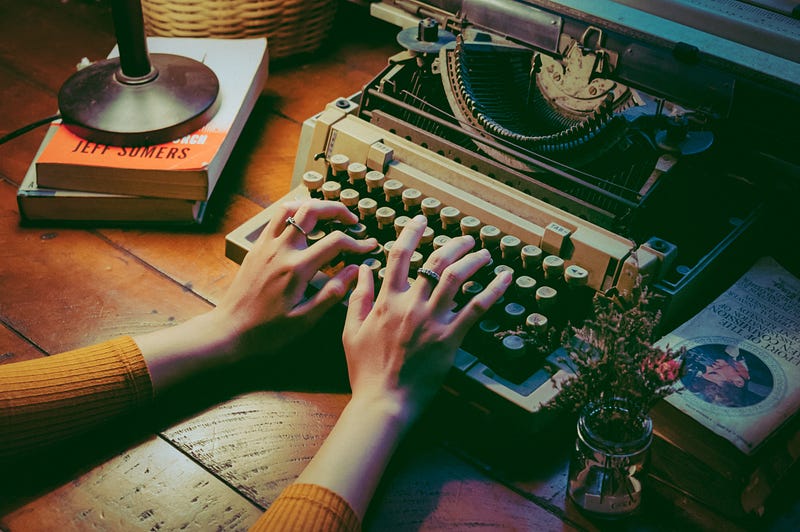
Just like other creatives, writers don’t like to follow the rules.
I know I don’t.
If we wanted to follow the rules, we’d have a regular job, in an office with a boss telling us what to do. Writers are dreamers, or we wouldn’t write.
Some of us dream of writing the great American Novel and some of us want to write the perfect blog post to impact a reader’s life for the better. We pull ideas from our brains, put them into clear, concise, and unique sentences onto the page, and hope they resonate with our audience.
We are artists; we don’t want rules restricting our art.
However, a shared understanding of how to properly use the editor tool, especially the quotation feature, gives our writing a shared consistency and clarity.
When I first started writing on Medium, I misused the quotation feature frequently; I couldn’t be bothered to look up how to use it properly because I was focused primarily on writing.
I didn’t know what I was doing, so I made it up along the way. I thought I was adding my creative brilliance by using my best judgment and using the feature the way I thought would have the most visual appeal.
Now, I know there is a right way and wrong way to use this tool.
I’ve gleaned from long-time writers on Medium how to use this feature correctly, and I’ve decided to use it that way also, for the most part.
I feel better about breaking the rules, now that I know I’m breaking them intentionally and not out of ignorance. I’ve researched for you, so you will know how to use this feature to enhance your writing.
Formatting guidelines for the quotation feature
The quotation feature gives you two options, block quote, and pull quote.
You use them differently.
To find the quotation feature, highlight the text. Within the black editor box that pops up are two quotations marks — the quotation feature. You click once for block quote and twice for pull quote.
Block quote
According to Wikipedia.com, “the block quote element is used to indicate the quotation of a large section of text from another source.”
Block quotes look like this.
Understanding the block quote
- It presents the quote in a block
- Consists of at least four lines
- For anything less than four lines, blend the quote into your story
For example, according to Wikipedia.com, “a block quote element is used to indicate the quotation of a large section of text from another source.”
- The text inside the block quote is from a quoted source
- The material is from another source other than you
- Do not quote yourself in a block quote
- You don’t need quotation marks in a block quote. You can use them, but it is redundant. The form of the block quotes lets the reader know you are using someone else’s words
- Include a link to the quote so the reader can access the source for more information
Pull Quote
Pull quotes are pulled out and separated from the text like so,
We are artists; we don’t want rules restricting our art.
Understanding the pull quote
- The text you have written in the body of the material that you want to emphasis
- Something you’ve already written or are going to write within the essay
- Add the pull quote with some distance between the pull quote and the repetition
- The pull quote should not be right after or right before the repetition
- Use them sparingly
- Use pull quotes on your best sentences and ideas
- Use only one per essay, two at the most
- Don’t use them in every article, only when necessary
- You do not need quotation marks in the pull quote, but using them is also correct. Make the pull quote visually appealing by adding or not adding quotations marks at your discretion
You don’t have to use the quotation feature correctly; the Medium police won’t give you a citation for not using quotes in the proper way. But it may increase your chances of curation from the curation gods and goddesses.
Not only that, using the quotation editor accurately in each post will add flow, consistency, and clarity to your writing.
Write on.
Hit me up here if you want more. No spam. Just good content.
Jessica is a writer, an online entrepreneur, and a recovering Type A personality. She lives in Los Angeles with her extrovert daughter, two dogs, and two cats.


