
How to travel for free
A personal account and tips on experiencing the world
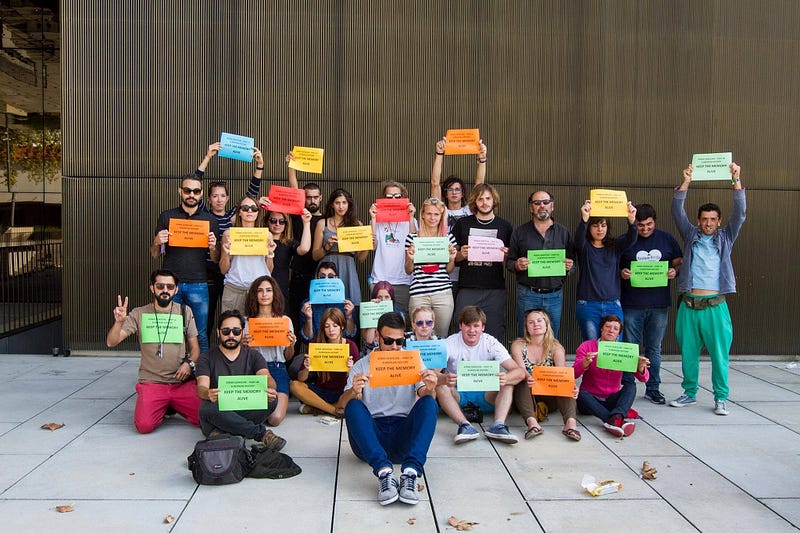
I can’t even tell how many times I’ve been asked this one question: how can you afford to travel so much? There were times a few years back when I would spend a week in Portugal then go back home to Estonia only to jump on another plane to Sicily or sail around the Baltic sea on a yacht. I had new friends from countless of countries and posted pictures of myself either fixing up old bicycles, learning to tie a proper knot or give a presentation on recycling — and sure enough, this all made it seem like I spent all my earnings to afford these experiences. (which I completely support by the way)
However, this was not the case for me at all. I basically did all these trips for free.
How? The answer is: youth exchanges.
If this sounds like something you are too old for then you are in the same boat with countless of Estonian youngsters who I tried to advertise these opportunities to. It’s surprising how difficult it was to find participants to take part in these (awesome) experiences. “I’m too cool to go to a camp” was the most common underlining reasoning given to me in many different wordings. I was offering people the opportunity to travel to another country, experience different cultures, make new friends, take part in experiences that they couldn’t do during a holiday with family or friends and on top on that, the food, accommodation and flight tickets were all paid for. And you’d be surprised by how many people did not seem excited at all. At least I was. I figured it might be due to my poor advertising skills but then heard similar stories from foreign organizations, saw last minute offers from other larger Estonian NGO-s and witnessed many times how organizations had sent their own family members or close friends to take part since they were lacking legitimate candidates. This made me wonder whether we are truly living in a privileged society where even free travel doesn’t seem attractive anymore; have people grown sceptical of “free goods” or is there something else going on?
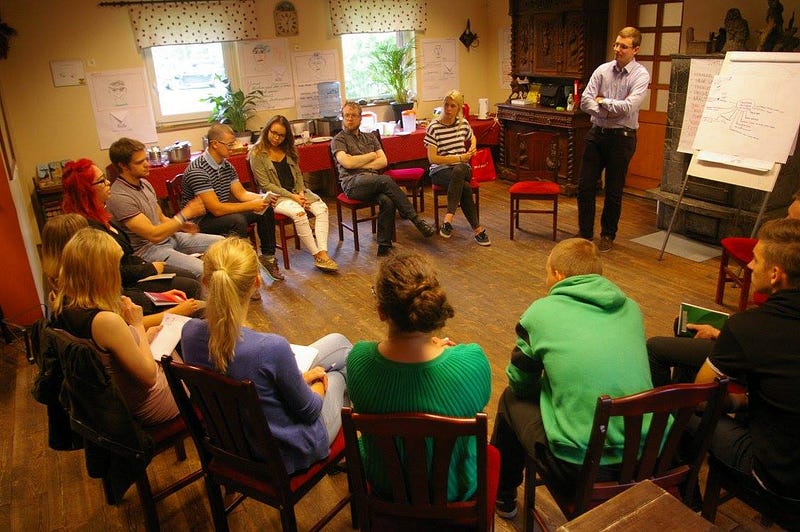
A youth exchange is typically a week-long experience where a group of people from one country goes to another to take part in a project. The length and number of people in each project varies but I typically took part in projects where there were around five people per country from six different countries. Everybody stayed together for the entire time. Each project had a theme as the aim for such projects is to promote intercultural understanding, learning from each other and giving back to the society. Some examples of projects I organized or took part in to give you a better idea:
- Journalism-themed youth project in Serbia: three Estonians joined people from six different countries to learn about press freedom, develop writing skills. We visited a local TV station where I could actually appear on the evening news and talk about the project; we met the local Roma community and learned about their lives and took part in many Serbian traditions as well as visited interesting places there.
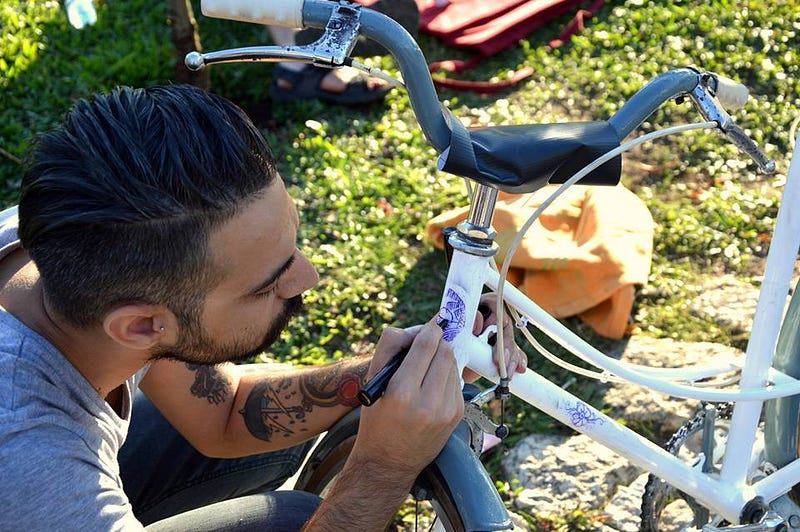
- Art and social issues youth exchange in Portugal. We went there to learn about most pressing social issues in Guimaraes and helped to raise awareness among the locals (and of course, ourselves) by using artistic ways. Part of the team fixed up old bicycles, painted them and gave them to the local orphanage to be used; part of the team made a photo exhibition of the refugee community and a third part organized a performance art show on the streets. We came up with all of that in one week. And of course had a lot of Portuguese food, took part in games and had a lot of fun learning about the local culture.
- Entrepreneurship-themed youth exchange in Estonia. This one was organized by myself where I invited people from six different countries to Estonia in order to discuss the opportunities young people have after they had just finished high school. We trained for job interviews, formulated CVs, learned from experts in the field and spoke about our dreams, goals and fears. All of that was accompanied by learning about Estonian culture as well as about each other’s countries.
There are countless of more examples and each time I took part in an exchange or spoke to someone who I had sent to an exchange, the people came back with new energy and ideas of the world and of their own goals. It’s a marvelous way to learn about yourself, to give something back and to gain new friends from different cultures. I made friends from Slovenia who came with a car a year later to Estonia to spend the New Years Eve at my house and also visited some others myself. Thus, it is truly difficult for me to see why others wouldn’t want to experience the same.
Youth exchanges I took part in are funded by the European Union. These are part of the Erasmus + program and are mainly aimed at 13–30 year old participants. Older people can take part as group leaders — of which there is one per group or by becoming trainers / organizers themselves. The program covers all the costs of the project.
After taking part of my first youth exchange in Albania over 10 years ago, I came back with an idea to start my own NGO. And together with I friend I made in Albania, we actually made that a reality and started either organizing youth exchanges on own in Estonia or partnering up with other organizations across Europe to be able to send Estonian participants there. This is something absolutely anyone can do: in order to start your own project, you would need to apply for funding to the Erasmus + program in your home country, write the project and make it happen.
Beware of organizations that are asking for large participation fees. It is okay to pay a bit as the organizations are doing a lot of work themselves as well but I’ve seen fees as high as 200–400 euros for an exchange and believe that is too much, as these projects are actually all paid for by the organizations. Estonians, feel free to reach out for recommendations for cheaper options!
For those interested in finding partnering organizations, finding interesting exchanges to take part in or to become a trainer yourself, there is an European-wide database called SALTO Youth.
My organization hasn’t been active for years anymore as I did it for five years and then decided to move on to other things but I am still a huge believer in such intercultural experiences at heart and thus thoroughly recommend this to anyone adventurous enough. It was the best thing ever seeing a shy person or someone who hadn’t had the chance to travel much come back from a trip with their head filled with experiences and heart filled with joy. I loved seeing the difference it made!
However, there are many that are active and that are offering the chance to take part. Just search the internet for “youth exchange” or “youth project” in your own country and I am certain something will pop up. If not, use the SALTO Youth database in order to find one on your own. Remember, there is always a way!
I realize this post has been quite European-centric as the youth exchanges I knew and participated in were all part of the European Union and it’s partnering countries’ programs but I know for a fact that there are similar programs that are being offered at other countries as well. Something similar would be a voluntary project that you can go and take part in and get room and board in exchange for a bit of work. If that is not your thing — perhaps apply for funding and organize a similar project yourself. No matter what, the bottom line here is that you don’t necessarily need a lot of money for travelling the world — make sure to look these opportunities up and seize them!


