

How to Trap Anxiety in a Box
Elite athletes and Navy Seals reduce their anxiety fast and effectively.
We have almost one year of pandemic, yet we know very little about how to deal with this tremendous physical and psychological challenge.
Stress, anxiety and depression levels are reaching levels only seen in periods of war. The World Health Organization has published the results of an investigation into the disruption of mental health services in 93% of all countries globally.
This means that people in need of psychological treatment have had their treatment interrupted because of the situation. Imagine the number of people worldwide who have developed a state of undiagnosed condition for psychological treatment.
Not only have we not prepared ourselves to fight a global pandemic, but we also have not prepared for such a situation's psychological consequences.
Fortunately, this has happened at a time in history when we are more connected than ever and have a level of technology that allows us to organize and share knowledge on a massive scale quickly and effectively.
What happened to me?
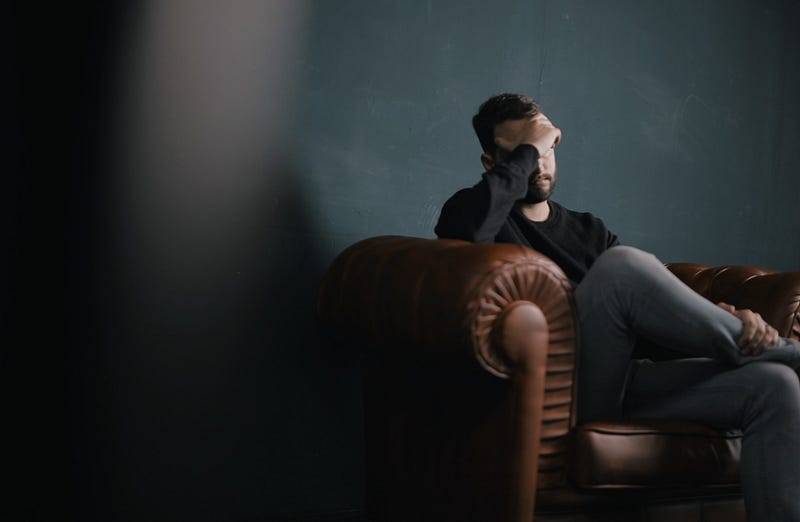
Early this year, One ordinary day, I was, of course, at home, watching TV, apparently relaxed. Suddenly I felt that something was wrong in my chest. I had a sensation like never, a feeling of emptiness. It is hard to describe it, but I knew from the first second that I had an arrhythmia.
Honestly, it was just for 2 seconds, but after this anomaly, I felt a cold sweat on my forefront. It was a horrible feeling, so I completed my physical health check-up.
After 4 days and tons of data, my doctor told me that my heart is okay. I have to pay attention to my nutrition, vitamins, and things within the usual for being at home for months. The important point is my stress level. My doctor told me to take it seriously and to take some measures right away.
His theory is that I had a panic attack because of anxiety and stress. A panic attack? I said. I was super relaxed watching TV!
He told me that panic attacks use to happen precisely when we feel relaxed. The accumulated pressure, stress, and worries are like drops filling a glass. One day, the last drop will cause us an attack.
My doctor suggested that I learn some breathing techniques and use them 3 times a day for 3 months instead of taking medication from day 1. I will do some more heart and stress tests, and if you still have the same anxiety levels, we will have to take some medication, he said.
I left his office completely decided to learn how to breathe. I don’t want to take anxiety medication or heart medication at 42. So I started to research.
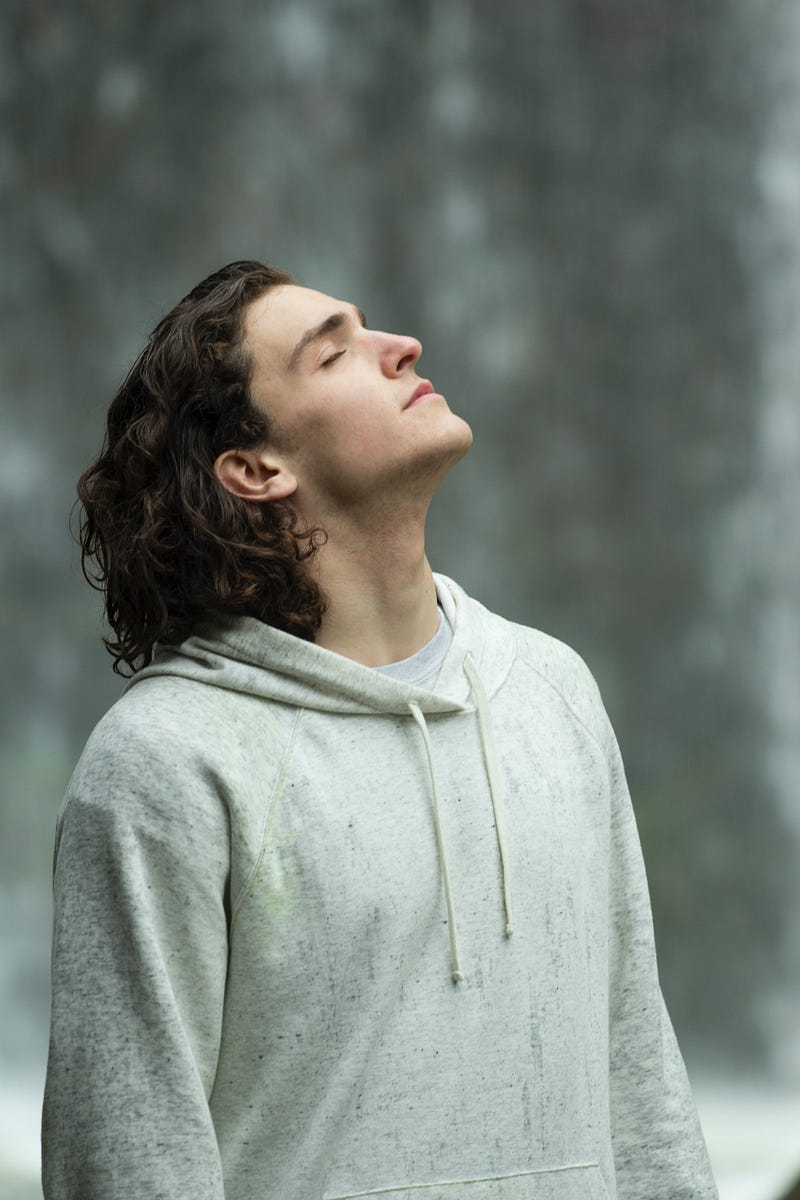
Fortunately, there is also good news. There are many techniques we can use to lower our stress levels fast. What I want to underline is that I do meditation every morning for 10 or 15 minutes. Even meditating every day, I couldn’t have my stress and anxiety levels under control.
So, where is the key?
The key is to learn how to breathe intentionally to reduce anxiety during stressful situations. We all suffer it, but some people work under constant and immense pressure, like the elite athletes and elite soldiers.
Elite soldiers are used to improvising when strategies or plans fail. They are trained to find tactical solutions to achieve their targets with making crucial decisions under stress. Mental clarity is imperative, so they use a technique called “Box Breathing” or “Square Breathing.”

The Box Breathing technique.
Most techniques used in the military are simple to remember and effective in a short time. They don’t have time to lose, and they need to keep being functional in life-risking situations.
Now, please sit down in a comfortable place. Please try to keep your phone and other distractions away. This is not a meditation si you can keep your eyes open but keep focused on one specific point of your choice. Your brain has to focus on your breathing now.
1. Inhale, for 4 seconds.
2. Hold, your breath for 4 seconds.
3. Exhale, for 4 seconds.
4. Hold, your breath for 4 seconds.
Repeat for 5 minutes.
The benefits:
- Positively affects emotions and mental well-being.
- Increases mental clarity, energy, and focus.
- Improves future reactions to stress.
- Reduces dramatically heart attack risks.
Mark Divine, a former US Navy Seal author of several books with tremendous impact in the wellbeing and mental strength field, says:
“I recommend starting with a minimum of 5 minutes just after waking up, or after coming home from work before walking in the door. It can be added to your meditation practice — do the box breathing first, and it will settle you into a deeper mental state for meditation afterward.”
I am already practicing this technique at home every day. The pain in my chest never returned. No more arrhythmias, and concentration is more comfortable to reach.
Watch this eye-opening TED conference from Max Strom back in 2015 titled Breathe to Heal.
Did it help me?
It helped me a lot. I don’t feel the pain in my chest anymore. I sleep properly. I am now aware of when I need to stop and breathe for some minutes. I do the box breathing exercise every morning and every night before sleeping for 5 minutes. It radically changed how I also feel emotionally. I feel less worried, less focused on my heartbeats, and less obsessed by the situation we currently live in.
I hope it helps you in the same way. Let me how it was.
Stay healthy, take care of your loved ones.
Oliver.


