
How to Train Your Baby to Sleep
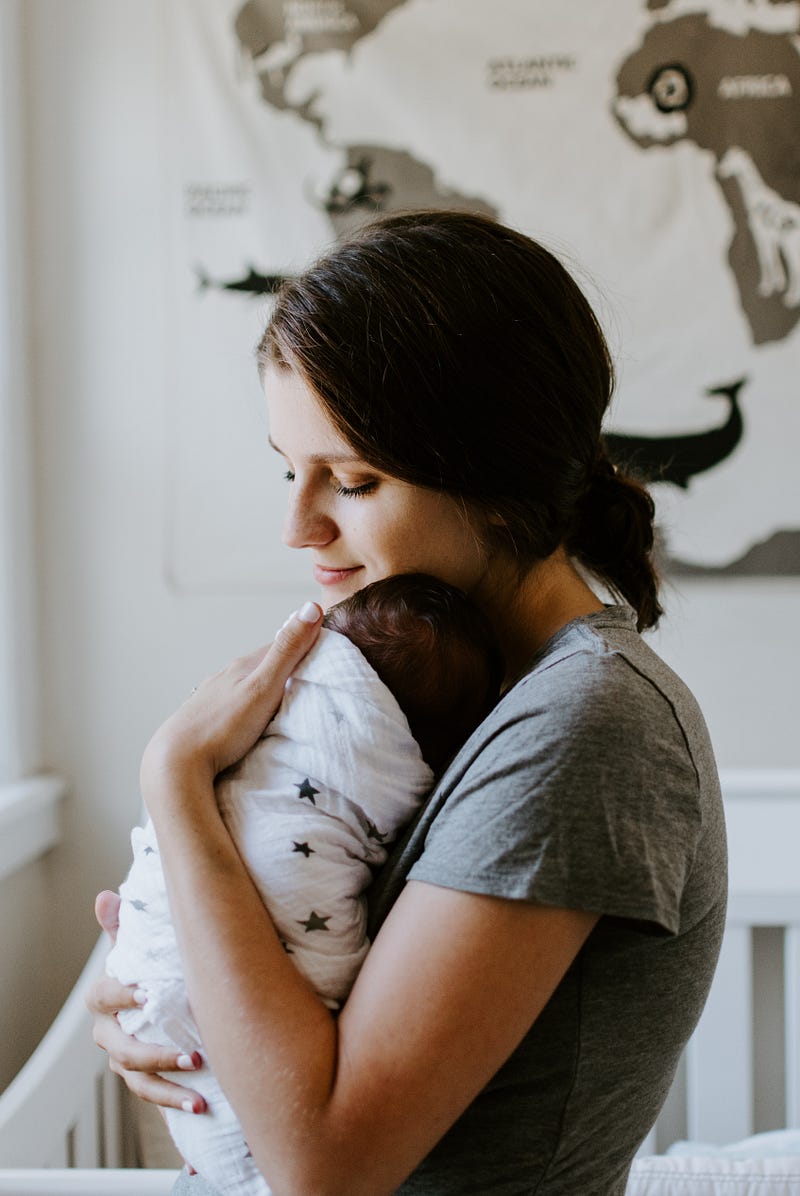
Sleep is crucial for your child's development, but getting a baby to sleep can be a challenging task. It can also be exhausting for adults when the child wakes up crying in the middle of the night.
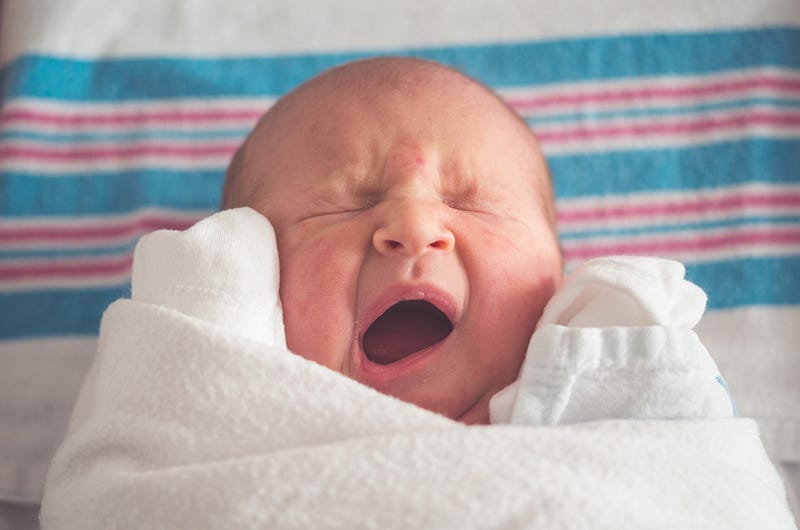
It's quite common for babies to cry at bedtime. Crying is a natural part of their process of settling down before they drift off to sleep and is also a part of their early learning. The good news is that babies can be taught to fall asleep independently.
How should a baby sleep?
It is recommended that you share a room with your baby until they reach one year of age. Room sharing is an effective way to ensure that you can comfort, feed, and monitor your baby throughout the night.
However, it's important to never sleep with your baby in your bed to reduce the risk of sudden infant death syndrome (SIDS). Instead, place your baby's crib, bassinet, or play yard in your bedroom, rather than in a separate room.
For infants up to three months old, they should ideally sleep for 14 to 17 hours a day, although this may not be continuous. Typically, your baby will take two or three naps during the day and have longer periods of sleep at night.
To create a safe sleeping environment for your baby, consider the following tips.
- Ensure a firm sleeping surface with well-fitted sheets and use a crib or bassinet that meets safety standards.
- Always place your baby on their back while sleeping to reduce the risk of SIDS.
- Avoid overheating by not overdressing your child for sleep.
- Keep the crib or bassinet free from objects like toys, quilts, sheepskins, blankets, comforters, loose sheets, or bumper pads.
- Let your baby sleep with a pacifier. If it falls out, there’s no need to replace it.
- Avoid smoking near your baby, as secondhand smoke can increase the risk of harm, especially during sleep.
- Be vigilant about any dangerous items in your baby’s crib, such as cords or sharp objects that could pose a risk of injury.
Creating a safe sleep environment for your baby is crucial for their well-being and safety.
Sleep Training
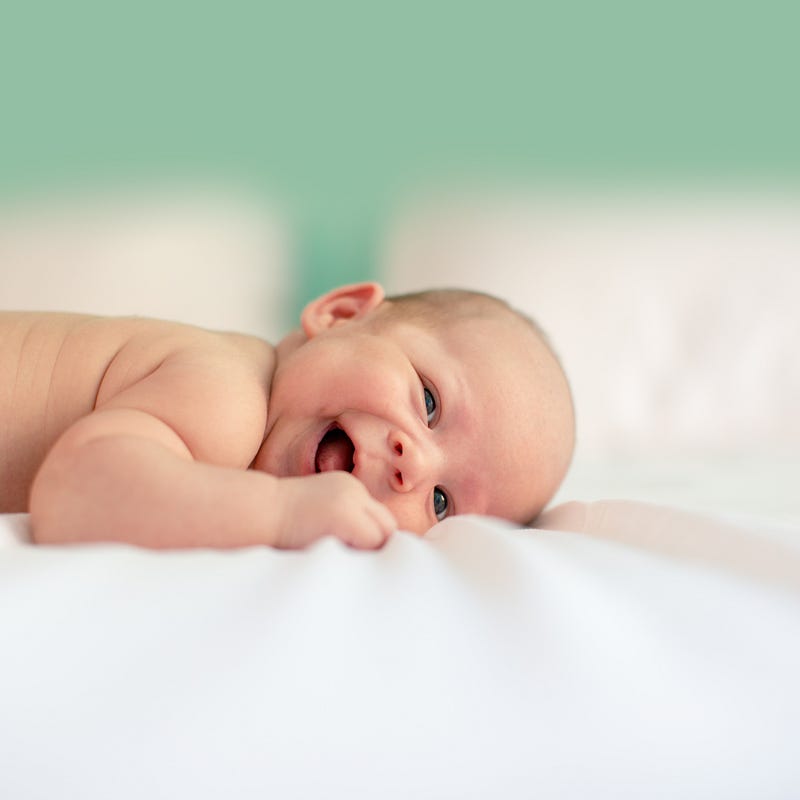
There are various methods you can use to train your baby to sleep independently. Babies typically reach the sleep training age, which is around four months or older, when they can start sleeping through the night.
Before the age of four months, babies don't have consistent sleeping patterns.
It's generally recommended not to begin sleep training until after this age.
Here are some methods you can employ to help your baby sleep on their own:
- Cry it out" method: In this approach, you place your baby in their crib and, when they cry during the night, you check on them, gradually extending the time between each check.
- This method helps your baby learn to self-soothe and go back to sleep when they wake up in the middle of the night.
- No tears" method: With this method, you sit next to your baby’s crib while they fall asleep.
- Over time, you move the chair farther away from the crib with each sleep session until the baby can sleep without crying.
- Bedtime fading method: This strategy involves gradually shifting your baby’s bedtime to a later time by 10 to 15 minutes each night, ensuring they are sufficiently tired at bedtime.
- When your baby falls asleep soon after being put down, that time becomes their new bedtime.
These methods can help establish healthy sleep habits for your baby, but it's essential to be patient and consistent in your approach.