
How to Take on the Weight of Identity
A Flea Market Story
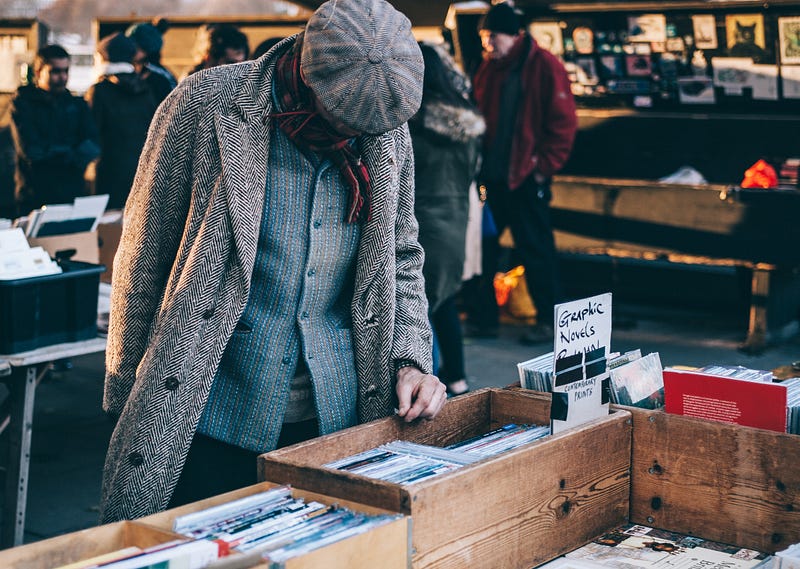
Wandering through a flea market is an experience of seeing others molt their identity.
Every table has things that represent what the seller once was. The CDs they’re getting rid of they no longer listen to, the game consoles they don’t play anymore, the collection of dolls they no longer want.
You look, dig, pick a book up. Treasure Island by Robert Louis Stevenson.
Fitting for where you are, as others say one man’s trash is another’s treasure.
There is no price.
There is never any price.
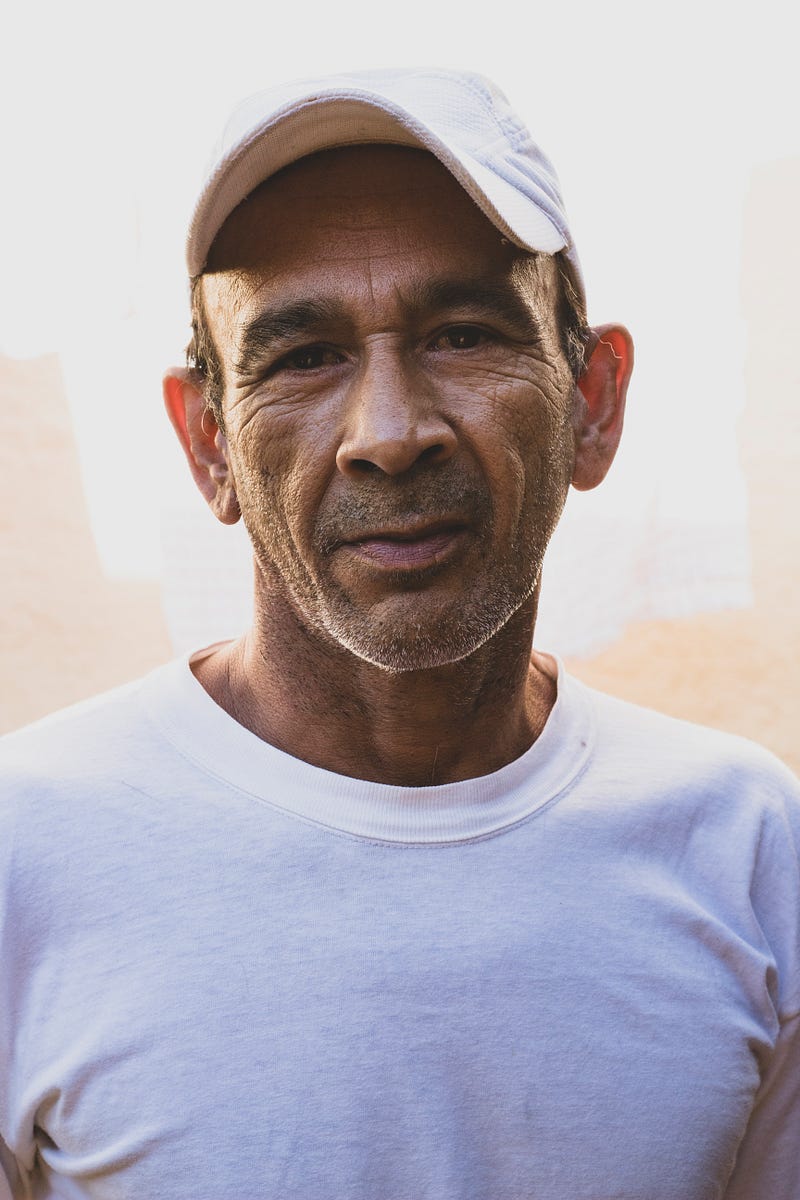
You walk up to the person running the table. A man in a camo hat paces in front of his black truck that carted these boxes of goods gathering dust in the garage for three years. You can hear the arguments he had with his wife saying that he’d go down and sell all this stuff soon, but “soon” wasn’t coming, and it was in a relationship with “later.”
But “Today” got involved, things got rocky, and they both broke up. I catch his attention, waving my hands. He nods, finishes his cigarette. “That? Three bucks.”
There’s no hesitation. He doesn’t have to. When you shed your possessions you no longer need, Sentimentality sets the price.
And Sentimentality is one confident guy, knowing exactly how much things are worth.
You go out on a limb. Curious because maybe he’ll bite.
“How much for all of them in that chest?”
He walks around from the table, breaking retail decorum. Because he can. This is a liminal zone. A space between reality and irregularity.
He appraises his own books, rifling through them carefully, sensually, like an old lover. You can see his face soften, his eyes water a bit. Sentimentality is faltering, because this means everything is gone at once. He doesn’t get to say goodbye to each one individually.
But he has to give a price.
Those are the rules.
This is how it works.
He turns, he nods. “50 for the lot.”
This is too high. You realize he’s struggling. Giving up these books means giving up his youth, where he sat on Sundays, reading in the green chair, turning page after page, the sunlight slowly streaming in, no cares except for the next part of the story.
“Would you do thirty-five?” You ask. You still want the books, but you know you may have to pay a little more to remove this weight from him. To take it on yourself.
He stares at you. A long stare. Not cold, but taking you in. Your essence. He wonders if there’s a part of you that’s in him. Whether you’re worthy of taking this weight on.
There’s an almost imperceptible wind caressing your back. The silence between the two of you continues.
He takes in a deep breath and breaks it.
“Deal.” He says it with such finality. The emotion is stripped from his voice and you can’t tell if he’s buried it or let go.

You pay him, grab the chest, and as you lift it, he says, “Thank you. Take good care of those. Especially that one.” He points. You look at the one he’s pointing at.
It’s old. A poetry book by Blake.
You drop the chest for a moment, taking the book out and flipping the pages. There are strange illustrations that draw you in. They’re beautiful and haunting. You get lost in them. Time passes and you become self conscious because you remember that this man was talking to you. But you left town without realizing it. You took a train to another world. Making the return trip on a bullet train six times faster to the world of the living, you look up.
The man sees your appreciation and nods, a brief smile trying to escape from his tightly locked lips.
“Never mind. I see that you will.”
I’m Bill. I write about music and spirituality and I’m listening to 1001 Must-Hear Albums Before You Die in a year and documenting it on Youtube.
Give me a follow if you like my vibe.


