
How To Sustain Faith Without a Physical Space
As a child, my faith was integrally connected to the physical space of the Jamatkhana (place of prayer for Shia Ismaili Muslims). It was where I met friends, volunteered, led prayers, and was raised by all the “aunties and uncles” who weren’t technically aunties and uncles.
The physical space was what defined my faith — the rituals, celebrations, people, and even the classrooms for religious education. The Jamatkhana where I grew up no longer exists, but I can remember the colors, the layout, and each spot where I hung out with friends.
For many people, the physical space is what connects us to our faith. It offers a social environment where we can meet with people who believe in similar ways.
So, when a pandemic hits and you can’t attend services anymore, what do you do? Or when places open up, cautiously, but you can’t talk to others much or hug or congregate in the same ways, where do you turn?
As Ramadan quickly approaches, I am reflecting on what my experience will be this year, when so many things have changed in the way we practice our faiths.
Faith is difficult to hold onto when your physical connection isn’t there; it’s not impossible, but it’s tougher when the rituals and community are not a regular part of the practice of faith. So, this is where we step out of the box and find new ways to connect and believe.
“Faith sees the invisible, believes the unbelievable, and receives the impossible.”
-Corrie ten Boom
Personal Prayer
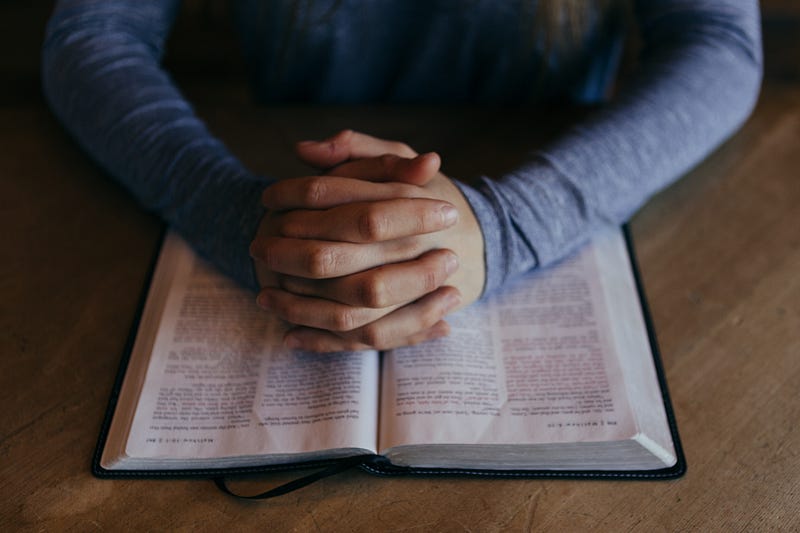
Not all prayer needs to be done in congregation. There are many moments when a quick thought or touch of prayer beads can help us feel connected. Personal prayer comes in many forms — talking to God, journaling, connecting with nature, reciting prayers on your own, etc. These are moments where, even if we cannot hear the simultaneous chanting of others, we can still pray and feel in tune with our beliefs.
Action: Using a ritual prayer or one you’ve chosen or made, spend some time on your own reciting it aloud or in your mind. Focus on the prayer and its meaning.
Meditation
Meditation can serve many purposes — developing mindfulness, building compassion, or focusing on faith. In my tradition, meditating while focusing on a specific word or phrase can help strengthen faith and bring awareness to the bigger picture even while living our daily lives.
Action: Find a time to meditate in solitude with no distractions. Choose a word or phrase that resonates with your faith and chant it in your head. Sometimes, chanting it along with your natural breath can help you stay focused.
Reading
Reading has been one of many ways I have connected with my faith over the years. Doing research and attending classes in graduate school that taught me about the history of Islam and its manifestation in today’s world made me feel more connected than anything else has in my life. Reading about your own faith or the faith of others can help you see different perspectives on faith and ways that people have made it their own or lived it before you.
Action: If you’re a reader, find a book about faith that relates to what you identify as or a text from someone in a unique tradition. Look for connections between your faith and theirs and new ways of thinking about faith that you may not have considered.
Book Clubs/Faith Discussions
Building on the previous strategy, hosting or taking part in virtual book clubs using what you’re reading or just having general discussions about faith can help you find connections through other people.
Action: Find a group of people who you’re comfortable with and who might be interested in monthly chats over Zoom or Google Hangouts. Topics could be participant-chosen or narrowed down to focus on a specific text or prayer.
Service
For many faith traditions, taking part in service is a core value. Although service opportunities are rarer because of the closures in this pandemic, there are still options available. Committees and groups within faith organizations are consistently working on ensuring the congregation is safe and healthy. You might volunteer to make calls to families or senior citizens to check on them, tutor kids online, or help create virtual programming for the congregation.
Action: Check in with your organization or an organization you resonate with to see what opportunities are available.

There are so many more ways to find a connection with your faith when it feels like you’re lost. These are just some options I have found that have helped me reignite my faith without access to a dedicated physical/congregational prayer space.
However, despite the lack of a tangible connection through a building and people, I have been able to stay focused on the ethics I believe in and the broader messages of my faith and history; these are the values and practices that can be a part of my everyday life, with or without a Jamatkhana. This year has forced me to reflect on the ways I can stay truly connected no matter what’s happening in life or in the world.