
How to survive the oncoming storm part 2
Please scroll to right to the bottom of the page when you finish as the new algorithm won’t mark the article as read unless you do and I won’t get paid
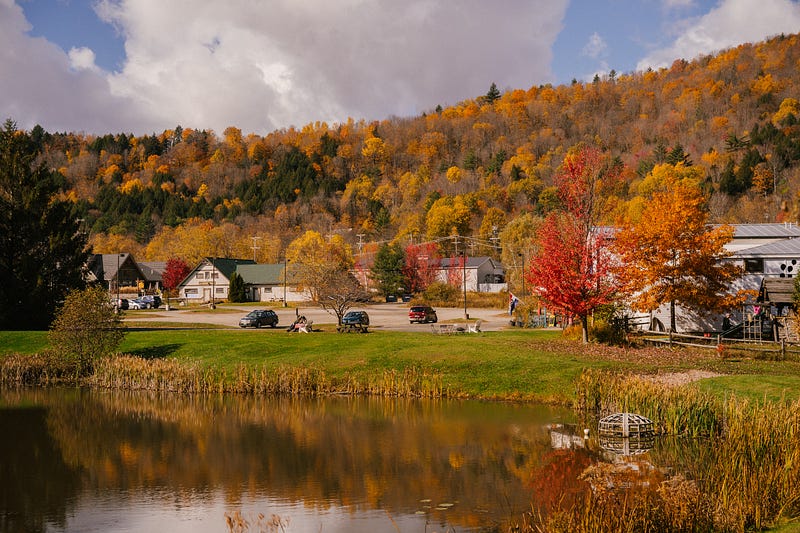
Photo by Marta Wave:
Part one of this series is here
Land:
When considering where to base your community certain factors must be considered in this rapidly changing world.
Your main objective must be to provide a place with as much resilience to these changes as possible in the long term. After a collapse of this nature, where industrial civilisation has fallen, long distance travel will be a difficult and costly endeavour. For much of our history most people never travelled more than a few miles from home. Everything you will need must be within walking distance.
You could consider horses for travel but they take a lot of effort to look after and if you’re on a budget you could well find that there are more important things to spend your precious resources on.
Let’s consider what type of place would be the right sort of place to begin.
Climate change:
From what I’ve read, there are already several degrees of warming already baked into the system before we even begin to think about the possible effects of tipping points.
Choosing a place that is already hot and humid could be dangerous in the future, it’s a lot easier to cope with cold than heat. Many of the warmer places in the world are likely to see lethal wet bulb temperatures over the coming decades and centuries. I propose that it’s better to head north in the northern hemisphere and south in the southern.
While a maritime climate is good for your supply of water and proximity to the sea useful as a food source and for a supply of salt, a vital resource that might be difficult to aquire in inland areas, being too close has drawbacks in both the short and long term. Sea levels, in the longer term are likely to rise a great deal and with proximity to the sea come the perils of storms and tsunamis. I’d advise looking for a place with an altitude of a few hundred metres.
Terrain:
While trees are a good thing in general it’s probably a good idea not to buy a block of primary forest. Ecological diversity has collapsed globally and any remaining primary forest should be protected. Aside from this, clearing trees from land is a difficult and energy intensive task. You’d be better off looking for land by or in a forest that has already been cleared.
Clay soil is a good thing. It holds nutrients and water well and makes growing food intensively in small patches easier. It makes it easier to build ponds (which increase diversity and help provide resilience in dry periods) Avoid sandy soil or too much rock. Slightly acidic soil is better for most plants than alkaline but avoid extremes on either side of the Ph scale.
Avoid flood plains. While flood plains have good soil, high in nutrients, with escalating weather disruption, being based in one will find you flooded out more and more frequently. It will be thousands of years before the climate finds a new equilibrium.
The other thing to consider is fire. This is the main downside to building your base in or by forest. The frequency of wildfires will increase as temperatures increase, you should consider fire breaks and refuges.
A south facing slope is a great place to grow things. It’s also where you can build an Earthship (think hobbit hole) one of the best ways of providing low energy housing for long term sustainability. They’re also easier to hide than conventional housing.
If you’re lucky enough to find a cave on your land it would be a great place for long term food storage and shelter in emergencies.
Lakes, rivers and streams:
Water is the stuff of life. Without it you die, quickly. Wherever you end up there must be a reliable, year round, supply of water. With plentiful water you can do aquaculture and increase the resilience of your community.
Wells are good for drinking water if your groundwater is in good condition. If it’s not you can perform biological filtration to provide safe drinking water.
If there’s a large enough drop in the elevation of a stream or river on your land it will give you enough head to allow hydro power which doesn’t require short lived batteries and can allow you to keep some of the amenities of the industrial era for a while but you must never become dependant on such amenities because sooner or later they will break down and leave you in dire straits.
Security:
Finding just the right place by a main transport route will give you security nightmares for the duration of the collapse. You would be better placed being at least five miles from any major transport arteries because those are where the refugees from the cities will come from. You should avoid proximity to places that would be attractive to looters and desperate people. Places like shopping centres, industrial parks, warehousing and transport hubs. If you are easy to spot you’re in deep trouble. If you can find a place with a single access point, a dirt track or similar, then it should be relatively simple to disguise your presence. You should also be wary of exposing what you have on the internet. Be friendly to locals but don’t discuss details of your situation with anybody who isn’t living with you.
I’ll go deeper into some of these points in future posts.
Joe
Part 3 is here