
How To Stop Getting Your Pitches Rejected
And how to stop losing clients

How does it feel waking up to an inbox full of rejections?
All those little babies you sent out to be judged have been sent home because they weren’t good enough.
How many hours did you spend crafting that perfect pitch?
You’ve been practising and honestly, you’ve been improving a lot lately. Yet, you’re not quite there yet.
You don’t know where you’re going wrong.
Are you pitching bad ideas? Or are you pitching good ideas badly?
How are all other writers writing for national magazines and charging $300+ per post while you’re refused minimum wage?
People say, that’s how freelancing works. Get used to it.
I say no. Why settle?
Figure out where you’re going wrong and improve on that. Instead of dismissing rejections as ‘just another part of work’, be proactive. If possible, ask them what went wrong and what can you do to improve.
Most of the times, you’ll not get an answer because ‘we get hundreds of emails daily and can’t provide individual feedback. If you don’t hear from us, assume we decided to pass your post.’
In situations like this, you’re by yourself. You know something is wrong, you want to figure out but you don’t know where to start.
I’ve been in this exact place lately, and here’s what I learnt navigating this turbulent sea.
Make sure your emails are being read
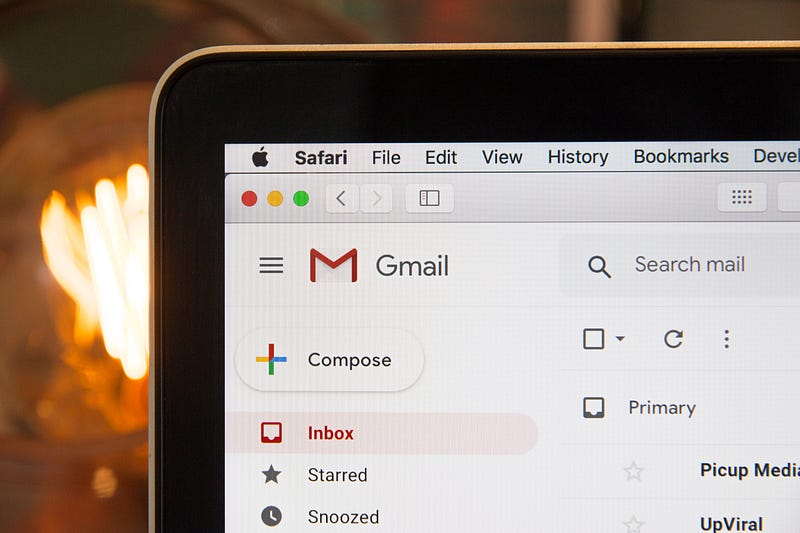
There’s a high probability that your posts aren’t being rejected. Quite a few of them aren’t being read at all. Here’s why:
Your Headline Sucks
It’s a no-brainer. You have less than 2 seconds to grab your attention — use it very, very wisely. You can write the best blog post in the world, but if your headline sucks, it’s going straight into the trash.
Headlines are a tricky area to navigate. Experts advise using power words but they often sound clickbait-y. Generic titles are — generic, overused, and quite annoying.
Last week, I read 10 different articles on writing the perfect headline and all of them said something different — some were contradicting each other. I still have no idea what constitutes a perfect headline but here’s what NOT to do:
- Pitch for your blog
- Submission Pitch Request
- Pitch for the Editor
- Pitch: [Misspelled Blog Name]
- To the dearest/highly respected Editor
Just avoid it. Put some thought into it and write something that doesn’t trigger a puke.
The emails are going straight into spam
This is one of the worst places for your beautifully crafted pieces to land in. And often, it’s nobody’s fault.
Some reasons why your emails may be going into spam:
- You don’t have a legal address at the bottom of your email.
- You’re using words like ‘Free’, ‘Offer’, ‘Click’ (list)
Don’t send out random pitches

I know how exciting it is to pitch everyone out there. But it’s like throwing a thousand darts and hoping one sticks. Most of them will get rejected because they’re thoughtless, randomised, irrelevant and totally impersonal. The editors have been doing their job for quite some time and they see these types of mass emails from a mile away.
You’re better off spending that time and energy working on high-quality blog posts for websites in your niche
However, what hurt me the most is — I NEVER sent a template pitch to random sites. I did my homework, I tried to understand their audience and I put a lot of time into pitching something that will truly be relevant.
Yet, they came back rejected. More than a half never got a response.
That really discouraged me. I was trying my best and yet it wasn’t enough. I didn’t know what else to do. That’s when I learnt my next lesson.
Even if you give your best, things can still go wrong

You could spend days working on something close to your heart but when you finally put it out there, it may not receive the kind of response you expected. It may completely fail and that’ll shatter your spirit.
Most of the pieces that I put all of me into failed miserably. That hurt a lot. What’s worse — the pieces I wasn’t so fond of, sometimes went on to become massive hits.
What you want may not be what your readers want

When I wrote something deep — like a personal essay or a thoughtful story, nobody was interested. But if I posted a self-help listicle on a similar topic, it got curated, distributed and bought home thick wads of cash.
At my core, I’m a poet, a storyteller, the dreamy writer. I like to write things that make you feel. But from what I have noticed, the readers want to be educated. They want to earn more money, eat healthier, sleep earlier, rank higher in search engines and boost their conversions. As long as you’re writing about these, you’re winning.
You’re writing for the wrong audience

When you’re consistently getting low engagement, you may end up doubting your skills. You may feel like you’re lacking some skills or your work isn’t worth reading.
I felt that too.
I took classes and worked my ass off to better my craft. When I wrote, I loved it even when the audience didn’t.
Until one day I noticed, the engagement on my Instagram posts is significantly high. There’s a bunch of loyal readers who never miss commenting on my stories and feed. So maybe, just maybe the problem wasn’t in my work.
But it wasn’t my blog reader’s fault either. I was just writing for the wrong audience. Instead of catering to the literary fans, I ended up trying to please millennial entrepreneurs.
How do you know if you’re writing for the wrong audience?
If you love what you do and you’re proud of your final draft, you’ll know you’re playing your part right. If you need to improve, take classes, practice hard. But at the end of it all, if your content still doesn’t resonate with your audience, there’s a strong chance you’re just writing for the wrong audience.
Moving on to freelance writing:
Don’t put a full stop to your work

You land a high-paying gig and sit back to relax. Nope. That’s exactly how you lose it. Your work is not over after they sign a contract. It’s not over even after you deliver what’s promised. If you stop there, you’re making a big mistake.
When you have just wrapped up a project, don’t say goodbye. Try to turn the one-off project into a recurring assignment. Ask them how else you can help them. Even if they have nothing for you to work on at the moment, just let them know you’re available if something comes up.
It takes barely a few seconds but it may land you a $1000 gig. So, might as well fo got it. You’ve got nothing to lose.
Don’t half-ass it

Seriously. Nope. Even if you’re getting paid peanuts, don’t be lazy. Don’t submit something you can’t proudly show off. Remember, these low-paying or boring projects can be added to your portfolio for future references. If you do a shitty job, guess who’s losing?
If you find yourself too stubborn to give your 100% for a cheap project, don’t take it. Instead, spend that time applying elsewhere and find something you’ll enjoy doing.
But if you MUST take up something you hate, please for the love of your portfolio don’t submit a mudball.
Drop em when the time is right

This sounds counterintuitive but drop your clients often. Especially the low-paying, cribbing ones who are never satisfied with your work. It’s nobody’s fault. Sometimes they themselves don’t know what they want so they can’t explain it. And unless you’re a telepath, you’re not sure either. So, avoid the bickering back and forth and amicably part ways.
Find someone with whom you can work, without tearing out your hair. Someone who understands what they want and trusts you to deliver it without having to micromanage you.
SIGN A CONTRACT

I lost $450 because I ‘trusted’ my client to pay. They conveniently disappeared and hiring an attorney would have cost me 10x that amount. So, I let it go. I was angry, hurt, disappointed and everything in between. But I couldn’t go back and change what happened. But maybe you can prevent this from happening to you.
It doesn’t matter whether you’ve been working with them for one day or one year — a contract keeps both parties accountable and serves as a solid reference if a conflict were to arise.
If you haven’t already, go sign a contract right now. Yeah, stop reading this blog post, bookmark it and go.
What if a client refuses to sign a contract?
Run. There’s no reason why a client would refuse to sign a contract unless they are planning to deceive you.
Keep it convenient for both of you. There are hundreds of templates available online for FREE. Pick one, customise it a bit and send them an easy-to-sign digital version.
If they still refuse, ask why and if they’re being unreasonable, run. Fast.
There you have it. Now close the 20 tabs you have open and go pitch em and pitch em real nice.


