
How to Stay Forever Young
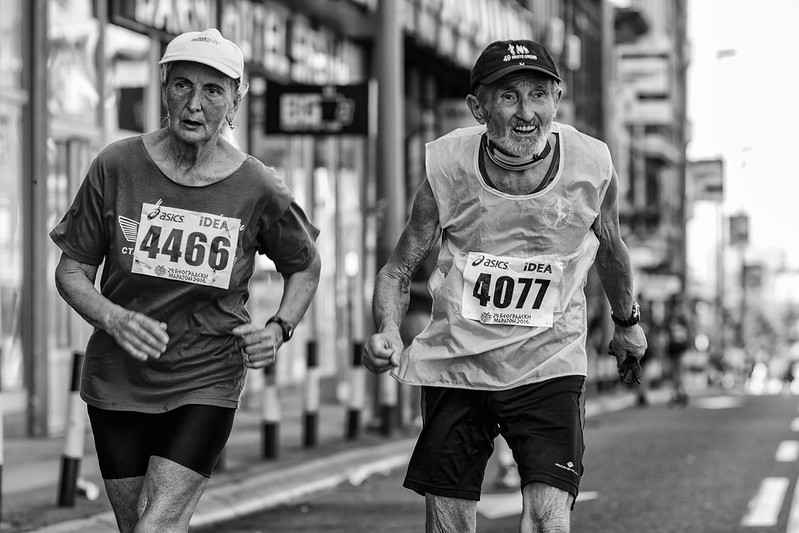
Everyone knows the script. After a brief and energetic youth, humans enter a long decline after middle age. Backs start to ache, joints stiffen up, and aches and pains become a part of every day life. By the time retirement and freedom from work comes along, we’re too feeble to enjoy the few years we have left.
But what if I told you that story is wrong? What if humans could stay healthy, active and mentally sharp throughout their lives? What if a seventy year old could outrun a twenty-five year old?
Recent discoveries show that all of this is possible; and more: that aging can be slowed, or even reversed. At the heart of this realisation is a distinction between two types of age: our age in years, or chronological age; and the age of our organs, or biological age.
Indeed, science has found it hard to draw any accurate link between these two ages. It is almost impossible, for example, to assess how old someone is by a simple examination of their bodies. Different people, it is becoming clear, age at different rates.
The good news is that we have some control over this biological aging; and can, with the right steps, begin to turn back the cruel progression of the clock. This doesn’t take a wonder drug, or futuristic therapy either. The answer appears much simpler. Three things make for a long and healthy life: good food, regular exercise and a positive attitude.
This research is backed up by many examples of superb accomplishment by people in their 80s, 90s and beyond. These achievements — climbing mountains, running marathons, directing movies — would put someone half their age to shame. And though these individual examples are impressive, the evidence tells us that almost everyone is capable of fitness and health throughout their lives.
Many of the things we associate with old age — aching joints and backs, fragility, mental and physical decline — are instead caused by inactivity. In other words, it’s not the years that weaken us; it’s a lack of exercise, bad diets, and poor mental health.
But what about those three things? How much exercise is enough? What counts as a good diet? And how, exactly, does one stay positive when facing the buffeting storms of everyday life?
Eat the Right Stuff — and the Right Amount
The evidence suggests two factors are in play: what we eat; and how much of it we eat. Certain foods — fruit, vegetables and wholegrains — have long been known to prevent some diseases. But perhaps more surprisingly, scientists have discovered that limiting how much you eat, in what is known as a calorie restricted diet, may help slow your body’s aging.
Calorie restricted diets reduce the overall amount of calories a person consumes, without going so far as to result in malnutrition. Regular fasts — that is, abstaining from food for several hours, or even days — seems to be the ideal strategy; restricting calories while avoiding the risk of missing out on vital nutrients.
Some have speculated that our ancestors ate irregularly. When food became available — perhaps after hunting down a large animal — tribes would feast; consuming lots of calories at once. But between hunts they would fast, since they were unable to store foods for long periods of time.
This prehistoric legacy may still be with us, encoded in our genetic response to food. Many studies have found that fasting for several days each month — or even one day per week — can reduce blood pressure, insulin levels and cholesterol.
To answer the second question — what to eat — researchers have turned to regional diets. One diet under active research is that of Okinawa, a remote Japanese island chain home to some of the longest-lived people on Earth. Evidence suggests that their diet — rich in vegetables and fish — plays a strong role in this unusual longevity.
When scientists looked closer, they discovered that Okinawans suffered far lower rates of cancer and heart related diseases. Could it be a genetic advantage? Probably not. When Okinawans move abroad and change their diet, they start experiencing similar rates of heart disease and cancer as other groups of people.
The key, once again, seems to be moderation. The mantra “hara hachi bu”, eat until eighty percent full, is at the heart of Okinawan cuisine. In other traditional diets, from Scandinavia to the Mediterranean, similar concepts of moderation crop up over and over again. Rather than eating a certain group of wonder foods, the key may simply be to eat less.
Exercise
We get old, we get stiff and we get fat. Inevitable right? Wrong. Most people exercise less and less as they age, moving from an energetic youth to a slothful old age. As they age, their muscles and joints stiffen. Eventually even small movements become challenging. From then on it is just a matter of waiting for the grave.
We normally think of this drop off in exercise as a side product of aging: we stop exercising because we get old. But this view is wrong: we actually get old because we stop exercising. People who exercise regularly, and maintain that exercise as they age, biologically appear younger. And youth is not the only prize. Staying physically active keeps a wide range of diseases away, including some of the biggest killers. Heart disease, strokes, cancers: all are linked to a lack of exercise.
It’s not completely true to say that exercise can keep you young forever. Some amount of decline is impossible to avoid. However, the evidence suggests this decline is slower than many think. A young man will typically reach his peak physical capacity around the age of twenty-five — as is commonly assumed.
But from then on the decline is more gentle than most believe. By sixty, he will still capable of the same physical endurance as he was at twenty; just a few years before his peak. That most old men can’t outrun a youngster is not due to physical limitations; it is down to a lack of training.
Some studies have found that exercise can even reverse your biological age. This effect is most dramatic in those who previously did little exercise, and does not seem to have an upper age limit. As long as you are still living, no matter your physical condition, exercise will help you feel younger.
In 2013, researchers took a group of twenty four elderly men and women from a care home in Spain. These seniors, aged between 91 and 96, spent twelve weeks doing strength and balance exercise. By the end of the study all of the participants were fitter and healthier.
They were less frail, and found it easier to stand and walk. Their minds also improved: they spoke more clearly and fluidly, and performed better in math tests. In other words — most people would agree — they became younger.
It’s never too late. If you exercise, keep it up. If you don’t: start small, try it for a few weeks, and gradually build up the amount you do. It will work wonders.
Attitude
Speak to almost anyone who has lived a long time, and they’ll probably mention the importance of taking on life with a positive attitude. It might seem strange — unlike physical activity or food, our moods have no direct impact on our bodies. Yet a growing pile of evidence suggests that youth is all about attitude.
Views on aging seem especially important. In 1975, researchers in Ohio interviewed hundreds of people, seeking their feelings about their own future. Twenty-five years later, those who had felt more positively about old age had lived, on average, more than seven years longer. More strikingly, mental attitude turned out to be more important than either exercise or diet. Think better about old age then, and you are more likely to live to see it.
It’s not just your feelings on aging that matter, it’s also about how old you feel, and even how old your surroundings make you feel. Put elderly people in houses that remind them of their youth — with posters of rock stars and decorations that were fashionable in their younger years — and those people will soon report feeling much younger. And not just that: they become more active and mentally sharper.
Most people, at least those over twenty-five, feel younger than their birth certificates would imply. By the time people reach seventy, they report feeling an average of ten years younger.
But not everyone does — and the consequences for those that felt older were profound. Feeling yourself to be older than your calendar age is strongly linked with diseases associated with old age. On the contrary, those who felt much younger than their actual age tended to live much longer.
If you want to stay young, then, age may really be all in the mind. Think positively of both yourself and your future. Stay active, eat simply and moderately — and enjoy your birthdays, safe in the knowledge that age is just a number.