avatarJim Woods

Free AI web copilot to create summaries, insights and extended knowledge, download it at here

3870

Abstract

ok with a different “ending” to it.</p><blockquote id="833c"><p><b>“The ugly fact is books are made out of books, the novel depends on its life on the novels that have been written.” — Cormac McCarthy</b></p></blockquote><p id="0696">This approach not only works for fiction but for nonfiction as well. For example, let’s say you read a book about personal finance that said to avoid credit cards. While this is good advice for many, you may disagree because of your personal experience with where you used points from credit cards to take free vacations.</p><p id="a2e2">See how this could be a different “ending” or at least a different topic to talk about in your book? You could talk about using credit cards wisely and taking advantage of free benefits to go on free trips, even citing your own story as a reference.</p><p id="7610">When you are coming up with ideas or examining stories, mind mapping is a great tool to get your thoughts down. Unlike an outline, the sequence is not important with a mind map. Just taking one topic or idea and then breaking it down into smaller segments.</p><figure id="97fa"><img src="https://cdn-images-1.readmedium.com/v2/resize:fit:800/0*Jif-Trv3wCc3IO-p"><figcaption>Photo by Author/Bubble.us</figcaption></figure><p id="280e">You can also try your hand at mind mapping with some free software at bubbl.us.</p><p id="237a">A mind map does not have to be fancy. It can be as simple as you would like to make it. This is just one way I jotted down some of the ideas and concepts to include in a book.</p><p id="19a0">The key is to get started. Don’t think of this as a pressure-filled situation or long-term commitment. Feel free to doodle on the page.</p><h1 id="d741">Step 2) Add Some Inspiration</h1><p id="4e6b">One of the best ways to find <b>inspiration</b> is by spending a few minutes visiting your bookshelves.</p><p id="3312">Here’s how it works.</p><p id="ae87"><b>Find five of your all-time favorite books in the same genre.</b></p><figure id="7185"><img src="https://cdn-images-1.readmedium.com/v2/resize:fit:800/1*ZTNakFAubetHIwbfld7sJA.png"><figcaption>Photo by <a href="https://unsplash.com/@nicolehoneywill_sincerelymedia?utm_source=medium&amp;utm_medium=referral">Nicole Honeywill / Sincerely Media</a> on <a href="https://unsplash.com?utm_source=medium&amp;utm_medium=referral">Unsplash</a></figcaption></figure><p id="01ad">I know it’s hard, but narrow it down to five. And spend some time with those books for one hour. (I’m serious, set a timer. Otherwise, this exercise can easily turn into procrastination.)</p><p id="f182">Look at the structure. Look at the number of chapters. Look at the tone.</p><p id="8c4d"><b>Dive into those books and take one page of notes on what you love about them.</b></p><p id="beee">This will give you the inspiration you need to write your book. After you spend some time with these books, you should have a page of notes that pinpoints what you enjoy most about your favorite books.</p><figure id="6bce"><img src="https://cdn-images-1.readmedium.com/v2/resize:fit:800/0*acxDiI9KIaFAcRXe"><figcaption>Photo by <a href="https://unsplash.com/@noemiphotography?utm_source=medium&amp;utm_medium=referral">Noémi Macavei-Katócz</a> on <a href="https://unsplash.com?utm_source=medium&amp;utm_medium=referral">Unsplash</a></figcaption></figure><p id="5685"><b>This list is really important because it serves as a guide for your book.</b></p><p id="10fe">If you like non-fiction books that are short, sweet and to the point, you’ll likely want to write one that uses that same approach. All of this information will help you as you write your book.</p><p id="6aca"><b>Once the hour is up, your job is to go back to the writing.</b></p><p id="15b9">When you do, instead of trying to write an entire book, focus on writing one chapter.</p><p id="fecc">A book is intimidating and can

Options

even be overwhelming. One chapter? You know you can do that.</p><p id="ea06">Writing a book is a lot like eating an elephant, so just go for one bite — or chapter — at a time.</p><h1 id="a15c">Step 3) The Foundation For Your Book</h1><p id="1dc6">Story structure is the next key piece of your book. And to learn more about that, you can revisit the notes you made about the books you love. I’m willing to bet most of those books have a similar story structure.</p><figure id="be90"><img src="https://cdn-images-1.readmedium.com/v2/resize:fit:800/0*wf9KAsniBGRFT09a"><figcaption>Photo by <a href="https://unsplash.com/@mirkoblicke?utm_source=medium&amp;utm_medium=referral">Mirko Blicke</a> on <a href="https://unsplash.com?utm_source=medium&amp;utm_medium=referral">Unsplash</a></figcaption></figure><p id="3b03">For a story to draw and hold the attention of the audience, it must fit a specific structure.</p><p id="87ca">Stories have a three-part structure to them.</p><p id="0e49" type="7">All stories have a beginning, middle, and end.</p><p id="eebe">Too much of any one part and the audience gets bored.</p><h2 id="1a19">Part 1: The Beginning</h2><p id="1aed">What does the beginning look like? Make sure it is interesting to keep minds engaged. Typically the beginning comprises the first 25% of the story. For example in <i>Jaws</i>, this is the introduction of the shark and the fact there is a problem present.</p><h2 id="d011">Part 2: The Middle</h2><p id="acfd">The middle is your build. The story has to go somewhere to keep the audience around. The middle is around 50% of the story. Sticking with the example of Jaws, this is searching for the shark and deciding to hire an expert to catch the shark. All the while, the tension keeps building, especially when the shark threatens the main character’s son. Now this story is personal and the audience is hooked and wants to know what happens next.</p><h2 id="16bc">Part 3: The End</h2><p id="1bfe">Last is the ending also known as the payoff or the reward. It makes up the last 25%. When the reader finishes the end, if done properly, they will feel satisfied. In Jaws, this means facing the shark and killing it. There is no other option in this story; once the shark is gone, the disturbance is over and that completes the story.</p><h1 id="68cf">The Final Piece Of The Writing Puzzle</h1><p id="40f7">Now that we have covered <b>your story seed</b>, <b>inspiration, and structure.</b> There is one last piece you need to write your book: <b>support</b>.</p><p id="563d">The great news is that you have several options. Maybe a habit tracking app on your phone will do the trick. Perhaps you could have a writer friend check in with you once a week to ask you how it is going with your book. Maybe you want to attend a local writer’s meetup in your town or even finding a writing coach.</p><figure id="577f"><img src="https://cdn-images-1.readmedium.com/v2/resize:fit:800/0*Gy0nHXMK94u_hTYd"><figcaption>Photo by <a href="https://unsplash.com/@wildlittlethingsphoto?utm_source=medium&amp;utm_medium=referral">Helena Lopes</a> on <a href="https://unsplash.com?utm_source=medium&amp;utm_medium=referral">Unsplash</a></figcaption></figure><p id="87bb">Whatever it is, you need some form of <b>support </b>to finish your book. Writing a book can be hard when you do it on your own. But when you have other people supporting you and lifting you up, you start to remove some of those pesky voices inside your head that say things like “You won’t finish your book,” or “You can’t write a book.”</p><p id="13d4">That’s it. Those are all that you need to help you start writing a book.</p><p id="5aa2">Jim Woods is a bestselling author, freelance writer, and writing coach. His work has been featured in Fast Company, Life Hacker, Goinswriter, The Write Practice, and many other publications.</p></article></body>

How To Start Writing A Book Today
Photo by Luca Onniboni on Unsplash

You know you want to write a book.

So, naturally, you do a simple Google search.

Then you see this.
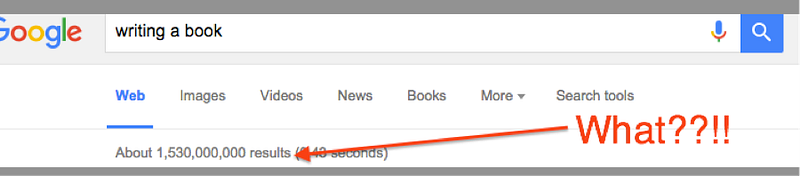
Photo by Author/Google.com

Over 1.53 billion results? How discouraging! I don’t know about you, but that makes me want to just run and hide.

Sadly, this overload of information stops many people in their tracks. (I know this one first hand.)

I’d like to propose a simple way to help you get rolling today. Sound good? Let’s dive in. The great news is that you already have an idea for your book.

Let’s call that your Story Seed. You’ve got it planted in your mind.

Photo by Daniel Hjalmarsson on Unsplash

Now you need to make that seed grow into a healthy plant (aka your book).

I’d like to propose a formula of sorts to you.

Your Story Seed + Inspiration + Structure + Support = Your Book

You might want to write a memoir, non-fiction book or even a novel.

Whatever it is, you’re all in, and you know what your goal is.

It’s time to put this formula into action in three steps.

Step 1) Farm Those Story Seeds

You need an idea from which to build your story.

If you don’t have an idea for your story yet, don’t worry!

It’s time to brainstorm (aka going story seed farming)! What does this mean? It is where you simply put your thoughts, ideas, and concepts on paper. Don’t filter, don’t think, just write. Don’t judge it, don’t edit. Just get it out. Momentum is everything, so fill that page!

Photo by Brad Neathery on Unsplash

Brainstorm in analog and in silence to avoid distraction.

Try a piece of paper and a pen or pencil for this stage. Something magical happens when you use physical tools. This physical process of creation uses a different part of your brain versus when you type on a keyboard.

Then answer these 5 questions:

  1. What interests you?
  2. What problem would you like to see solved?
  3. What brings you joy?
  4. Where do you find a lack of help or direction?
  5. What is a story you really want to share?

Just answering those questions will give you valuable insight as to what you should write about. If you don’t have any good answers to them, don’t worry about it. Just keep moving forward and give it time.

One of the easiest ways to craft a story is to take a movie or book and to change the ending. You can even apply this idea to nonfiction; if you disagree with another book, write a book with a different “ending” to it.

“The ugly fact is books are made out of books, the novel depends on its life on the novels that have been written.” — Cormac McCarthy

This approach not only works for fiction but for nonfiction as well. For example, let’s say you read a book about personal finance that said to avoid credit cards. While this is good advice for many, you may disagree because of your personal experience with where you used points from credit cards to take free vacations.

See how this could be a different “ending” or at least a different topic to talk about in your book? You could talk about using credit cards wisely and taking advantage of free benefits to go on free trips, even citing your own story as a reference.

When you are coming up with ideas or examining stories, mind mapping is a great tool to get your thoughts down. Unlike an outline, the sequence is not important with a mind map. Just taking one topic or idea and then breaking it down into smaller segments.
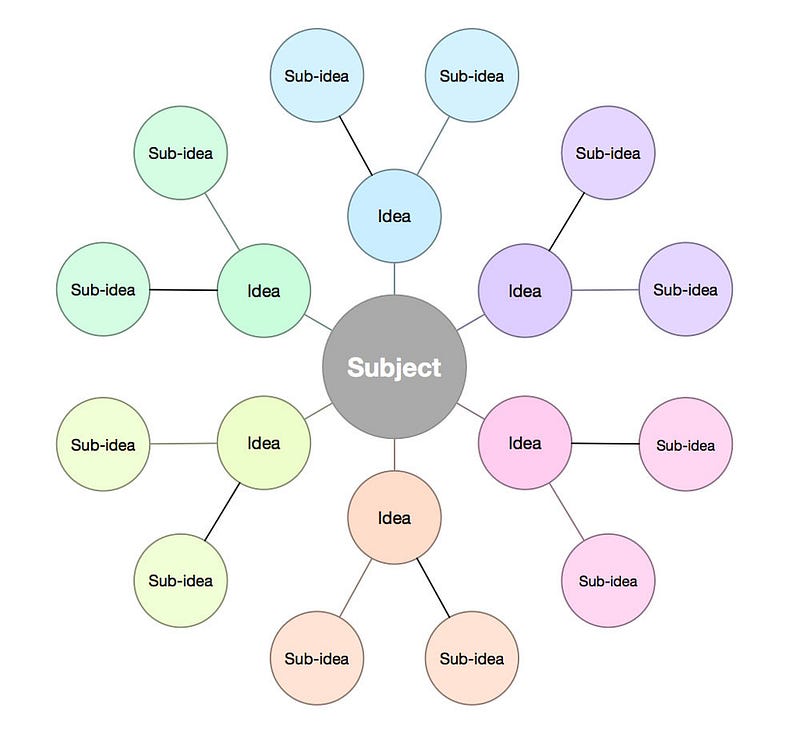
Photo by Author/Bubble.us

You can also try your hand at mind mapping with some free software at bubbl.us.

A mind map does not have to be fancy. It can be as simple as you would like to make it. This is just one way I jotted down some of the ideas and concepts to include in a book.

The key is to get started. Don’t think of this as a pressure-filled situation or long-term commitment. Feel free to doodle on the page.

Step 2) Add Some Inspiration

One of the best ways to find inspiration is by spending a few minutes visiting your bookshelves.

Here’s how it works.

Find five of your all-time favorite books in the same genre.

Photo by Nicole Honeywill / Sincerely Media on Unsplash

I know it’s hard, but narrow it down to five. And spend some time with those books for one hour. (I’m serious, set a timer. Otherwise, this exercise can easily turn into procrastination.)

Look at the structure. Look at the number of chapters. Look at the tone.

Dive into those books and take one page of notes on what you love about them.

This will give you the inspiration you need to write your book. After you spend some time with these books, you should have a page of notes that pinpoints what you enjoy most about your favorite books.
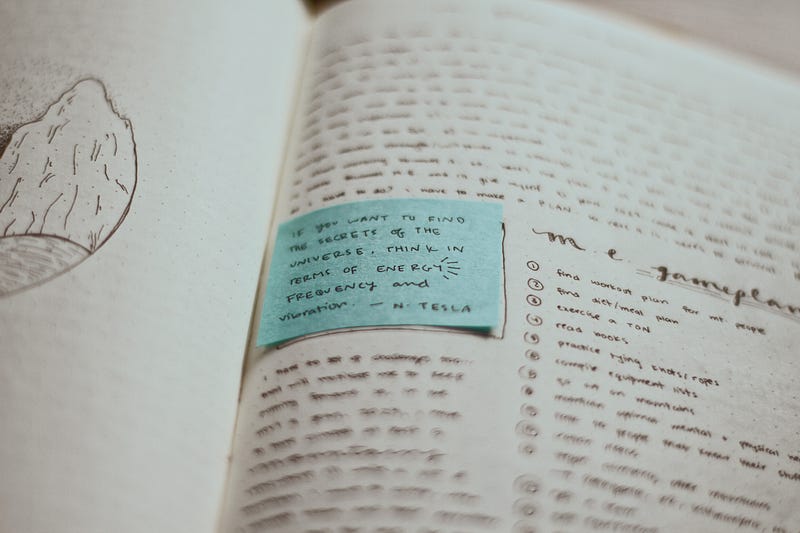
Photo by Noémi Macavei-Katócz on Unsplash

This list is really important because it serves as a guide for your book.

If you like non-fiction books that are short, sweet and to the point, you’ll likely want to write one that uses that same approach. All of this information will help you as you write your book.

Once the hour is up, your job is to go back to the writing.

When you do, instead of trying to write an entire book, focus on writing one chapter.

A book is intimidating and can even be overwhelming. One chapter? You know you can do that.

Writing a book is a lot like eating an elephant, so just go for one bite — or chapter — at a time.

Step 3) The Foundation For Your Book

Story structure is the next key piece of your book. And to learn more about that, you can revisit the notes you made about the books you love. I’m willing to bet most of those books have a similar story structure.

Photo by Mirko Blicke on Unsplash

For a story to draw and hold the attention of the audience, it must fit a specific structure.

Stories have a three-part structure to them.

All stories have a beginning, middle, and end.

Too much of any one part and the audience gets bored.

Part 1: The Beginning

What does the beginning look like? Make sure it is interesting to keep minds engaged. Typically the beginning comprises the first 25% of the story. For example in Jaws, this is the introduction of the shark and the fact there is a problem present.

Part 2: The Middle

The middle is your build. The story has to go somewhere to keep the audience around. The middle is around 50% of the story. Sticking with the example of Jaws, this is searching for the shark and deciding to hire an expert to catch the shark. All the while, the tension keeps building, especially when the shark threatens the main character’s son. Now this story is personal and the audience is hooked and wants to know what happens next.

Part 3: The End

Last is the ending also known as the payoff or the reward. It makes up the last 25%. When the reader finishes the end, if done properly, they will feel satisfied. In Jaws, this means facing the shark and killing it. There is no other option in this story; once the shark is gone, the disturbance is over and that completes the story.

The Final Piece Of The Writing Puzzle

Now that we have covered your story seed, inspiration, and structure. There is one last piece you need to write your book: support.

The great news is that you have several options. Maybe a habit tracking app on your phone will do the trick. Perhaps you could have a writer friend check in with you once a week to ask you how it is going with your book. Maybe you want to attend a local writer’s meetup in your town or even finding a writing coach.

Photo by Helena Lopes on Unsplash

Whatever it is, you need some form of support to finish your book. Writing a book can be hard when you do it on your own. But when you have other people supporting you and lifting you up, you start to remove some of those pesky voices inside your head that say things like “You won’t finish your book,” or “You can’t write a book.”

That’s it. Those are all that you need to help you start writing a book.

Jim Woods is a bestselling author, freelance writer, and writing coach. His work has been featured in Fast Company, Life Hacker, Goinswriter, The Write Practice, and many other publications.

Writing
Writer
Creativity
Creativity Tips
Entrepreneurship
Recommended from ReadMedium