
How to Start a Minimalist Lifestyle
You Can Consume Less
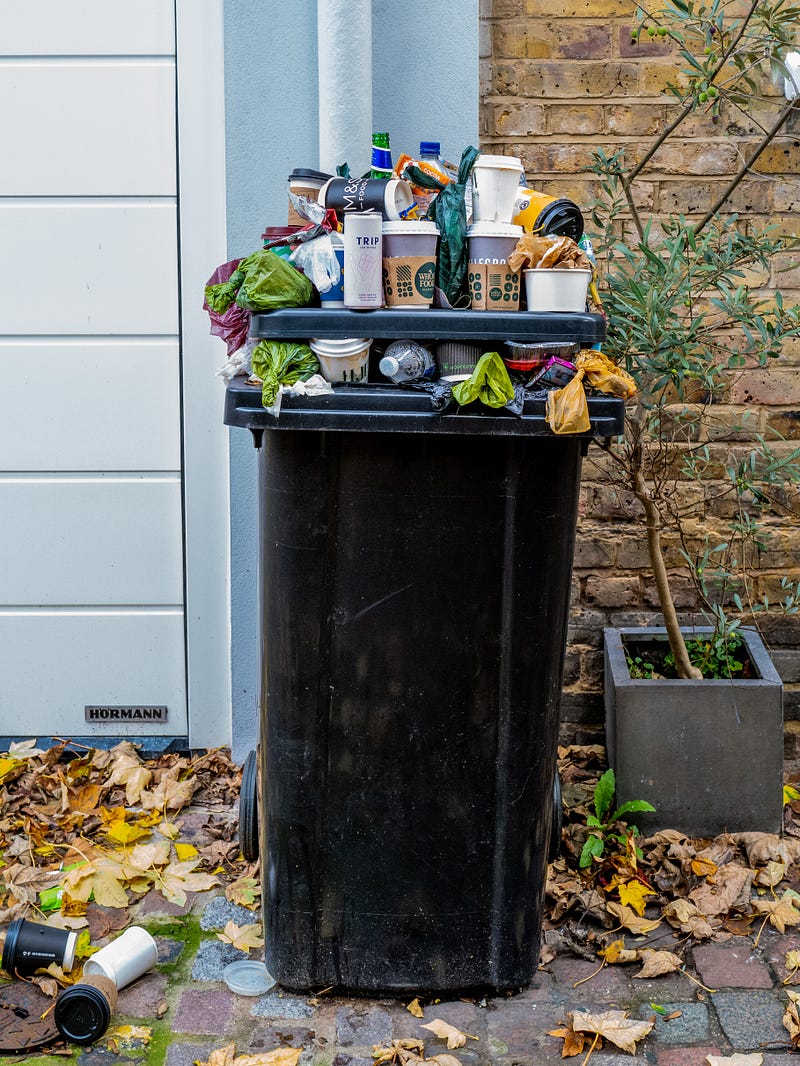
Our world of consumerism relies on you buying products almost on a daily basis. Think of how much we waste instead of using. Grocery stores throw out vast qualities of food that could be sent to homeless shelters. We use a phone for one year and then buy a new one. It’s an addiction to want the latest and greatest. We feel better about ourselves when we spend money.
It’s not our fault as we have been conditioned from birth to spend money. We are bombarded with advertisements, and companies have become household names. We need what they are selling, so we buy.
The problem with this is that our landfills are filled with garbage, our waterways are polluted, and our air isn’t as clean as it should be. Our consumerism is literally killing our planet, and we are to blame for it. Think of how much you buy but how little you actually use. Our garages, attics, and basements are filled with endless boxes of junk we never use again because it’s old, and we want things that are new. That new shiny trinket makes us happy, at least for a little while.
What if you could cut down your spending dramatically and only use what you need? Living a minimalist lifestyle has a lot of rewards. You’ll find you have a lot of money left over to help various charities or family members that are struggling.
Here are a few ideas to get you started towards a minimalist lifestyle.
Food
We spend a lot on food, and a lot of it isn’t that nutritious or even worth buying. We also waste a ton of food, and that ends up costing us a lot of money. If you want to cut down on the food you buy and waste, consider growing your own small garden for vegetables and fruit. You’ll save a ton of money on food, and we can store fresh food for later use, so you’ll have a constant supply of food all year long.
You really don’t need a lot of room unless you want to get into fruit trees or larger vegetable plants like corn. Greens, root vegetables, and herbs are easily grown in container pots or small beds. You also won’t be supporting the larger corporations that are ruing the environment.
Take your harvest and feed your family, give it to friend and neighbors, and spread it around, so no food ends up being wasted. If you have grass in the backyard, tear up a section and start planting. Growing food is work, but it’s very rewarding. Garage sales are great places to get basic garden supplies.
Clothing
You don’t need a new outfit every week. The only things you need to buy new are shoes and undergarments mostly. We end up spending a ton of cash on the latest fashions, which get worn once or twice and then go in the closet, and we never wear them again.
Try shopping for your basic clothes at thrift stores, where you’ll find a tone of perfectly fine clothing to wear. You can also try local flea markets and garage sales for clothes that you need. This can save a ton f you have small kids as they quickly outgrow clothes and need more. You’ll still need dot to buy some clothes at the store, but you’ll reduce your clothing expenditures by looking more toward second-hand clothing more often.
Household Goods
A new couch, washing machine, or new dishes are quite expensive, and you may not need them. Garage sales, thrift stores, and other locations may have perfectly fine furniture, appliances, and other household goods that you need. A lot of what you require may only need some simple repairs.
If something can be fixed, then why not do that instead of spending a ton of cash on something new? We throw out a lot of household goods that could be used by someone else. Locally, I use a Swap and Shop through Facebook to get used goods that are in decent shape.
Modern Electronics
One big waste in recent years is the smartphone. Every year a new one comes out, and people upgrade. You are contributing to landfills by constantly buying a new cellphone. I’m using a phone from 2018, and my wife has one from 2014, that are both perfectly fine. I probably won’t upgrade for several years yet as there’s no need to.
The same can be said of computers. Most computers will last longer than you realize. You may not need the latest and the greatest. We still have an old laptop running Windows 7 as there’s no need to upgrade it yet with a new one. It’s not used that often, and no intensive software is required for it. Sometime next year, it will be replaced, but it as used for as long as possible. I had an old desktop computer for 11 years before replacing it. Sometimes you need to upgrade if you use certain software, but only upgrade if it’s necessary.
Transportation
If you work in the city, you already have access to good transportation to get to work. You’ll avoid the costly repairs of vehicles and gas this way. You can also carpool or use a bike in many circumstances. Try to limit yourself to only one vehicle if possible to cut down on expenses if you require one for work.
Some jobs require vehicles, and that is fine, but a lot don’t, and you’ll reduce your carbon footprint by avoiding vehicles. If you don’t need one, don’t buy one. If your vehicle sits in the driveway for weeks on end without being used, you don’t need it.
Recycle
Try to recycle as much as possible. For example, we can use old plastic bottles and trays in the garden as pots or seedling trays. Use your kitchens scraps as your own garden compost. If you have something you no longer want, see if a neighbor or friend could use it. Donate things no one wants to a thrift store or local economy shop so someone else can make use of it.
Take old goods and make something new out of them. For example, my sister takes old jewelry and other trinkets and makes new jewelry out of them. She also makes suncatchers and decorations for the garden out of old materials. Almost all of our “junk” can be used for something if you get a little creative with it.
Conclusion
I try to use as little as possible, recycle, and only buy what I really need. I save a lot of money and reduce my overall impact on the environment. It’s easier than you think to lead a minimalist lifestyle.