
How to start a cloud kitchen business? Pros, Cons, and Getting Started
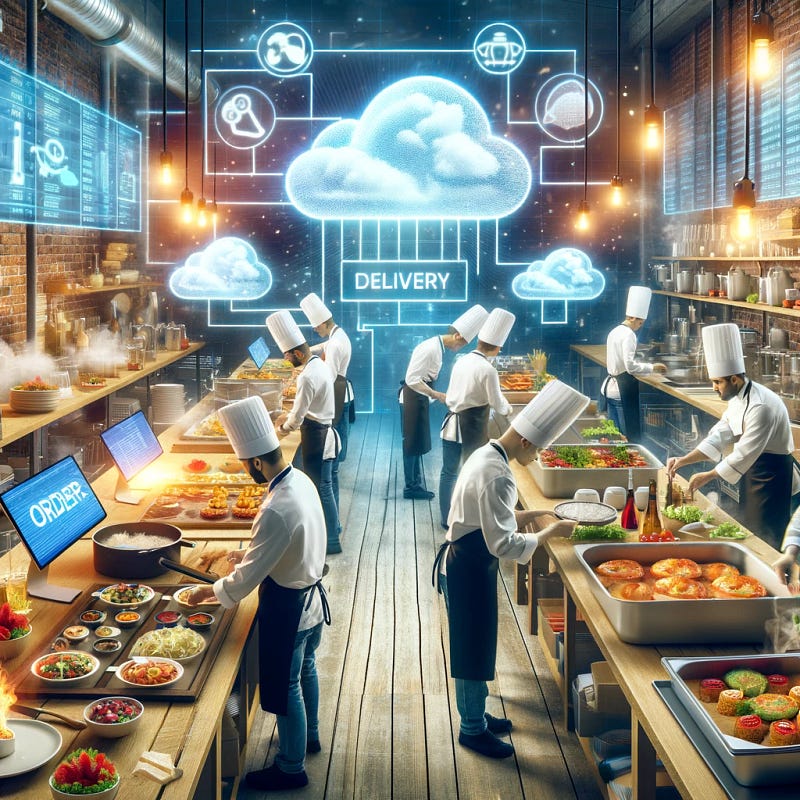
Are you a budding culinary entrepreneur or an established restaurateur itching to try something new? In the fast-paced digital world, more and more eyes are turning to cloud kitchens (also known as ghost kitchens). Think of a cloud kitchen as a restaurant stripped down to its core: just a commercial cooking space without the fancy dining room and wait staff.
Now, before you go tossing out your chef’s hat or selling those tables and chairs, let’s break down this trending cloud kitchen concept to see if it’s the right flavor for your business ambitions.
Welcome to the Cloud Kitchen: Pros That’ll Have You Salivating
- Lower Overhead Costs: Forget those sky-high rents in popular restaurant locations. Cloud kitchens can often be set up in more affordable areas, giving you breathing room in your budget.
- Delivery Focused: Since the whole concept centers around online ordering and delivery, you can optimize your kitchen setup and workflow specifically for this purpose.
- Experimentation Playground: With reduced investment, you can test out new menu ideas, concepts, or cuisines without the risk of committing to a full-scale dine-in restaurant.
- Scalability: As your business takes off, expanding a cloud kitchen is often easier than scaling up a traditional restaurant. You might replicate your model elsewhere or explore a multi-brand setup from one location.
Cloud Kitchens: Not Without Their Cons
- The “Ghost” Effect: You lose out on the direct customer interaction and brand atmosphere found in a dine-in experience. Strong marketing and great food become even more critical.
- Delivery Dependence: You’ll be tied closely to third-party delivery platforms with their commissions and potential customer relationship control.
- Competition Central: The online delivery space is fierce. Without a well-defined culinary niche and targeted marketing, you could disappear into the digital background.
- Location Still Matters: Even if you don’t need customer foot traffic, your kitchen location will affect delivery reach and efficiency within your target area.
The Stats are Telling: Does the Cloud Kitchen Model Make Cents?
Now here’s where things get interesting. The global cloud kitchen market is predicted to explode, reaching a value of $71.4 billion by 2027 ([Source: Allied Market Research]). The pandemic pushed this growth, but demand for convenient delivery isn’t fading anytime soon. So yes, with a smart approach, a cloud kitchen can be a highly profitable endeavor.
Okay, I’m Convinced. How Do I Get My Cloud Kitchen Cooking?
Hold your horses, chef! Starting a cloud kitchen may be less involved than your typical restaurant, but it ain’t no cakewalk either. Here’s your “mise en place” for success:
- The Concept is King: Are you specializing in a cuisine, trending food like healthy bowls, or catering to a specific dietary need? Defining your niche keeps things focused.
- Location, Location… well, Sort of: It’s not about visibility, it’s about logistics. Make sure your chosen area allows for delivery efficiency to your target customers.
- Licensing and Legalities: The boring-but-essential stuff. Look into commercial kitchen requirements, permits, and any regulations for your city/state.
- Tech Your Kitchen Out: Smart order management systems and kitchen tech streamline the flow of orders and ensure a frictionless delivery experience.
- Packaging is Part of the Meal: Food might be delicious, but if it arrives a cold, soggy mess due to poor packaging, you’ll lose diners faster than a misplaced souffle.
- Be a Marketing Powerhouse: It’s digital or bust. Eye-catching food photography, a well-optimized presence on delivery apps, and a bit of social media magic are non-negotiable.
Extra Ingredients for a Successful Cloud Kitchen Recipe
Want to go above and beyond the standard advice? Here’s where to stand out:
- Virtual Brand Exploration: Don’t limit yourself to one menu. Cloud kitchens provide the perfect environment to run multiple “virtual brands” from the same space. For example, offer gourmet burgers by day and fried chicken by night!
- Own Your Delivery (If Possible): While initially convenient, third-party delivery apps can eat into your margins. Investigate establishing your own in-house delivery system if it makes sense for your scale and location.
- The Customer Feedback Loop: Monitor reviews religiously. Online ordering makes responding to both positive and negative feedback critical for establishing trust and making menu adjustments.
- Community is Key: Your delivery radius has limitations. Focus on building hyper-local brand engagement within that area. Offer discounts to nearby businesses, partner with local influencers, or support community events to connect with customers.
Is A Cloud Kitchen In Your Future?
Here’s how to know if this approach is a good fit:
- You’re in it for the Food, Not the Frills: If customer interaction is crucial to your restaurant vision, a cloud kitchen alone won’t suffice. It’s about efficient cooking, not tableside service.
- Tech Doesn’t Scare You: This model relies on good online integration. Can you manage delivery platforms, troubleshoot a glitchy point-of-sale system, and keep up with evolving software?
- A Marketing Mindset: Don’t go silent on customers. If you lack the drive to constantly promote your culinary creations online, consider partnering with someone who has these skills.
Can Clouds Make it Rain (Profits)?
With a solid concept, intelligent planning, and an awareness of both pros and cons, a cloud kitchen has the potential to be a rewarding business. This flexible, evolving model suits ambitious food entrepreneurs. But like any recipe, a good portion of passion, a pinch of flexibility, and a willingness to tweak the approach make all the difference. Now, the last question — what tasty ideas are you planning to cook up in your cloud kitchen?
Let’s Get Interactive! In the comments section below: tell us what kind of cuisine or innovative food concept you’d love to start in a cloud kitchen format.
Let me know if you’d like any adjustments or further additions!