
How to Spend 10 Days in Iceland
So you’ve decided to take the plunge, you’ve heard others rave about this spectacular country and are ready to explore it yourself. You’ve decided you want to fully experience the country and are going to explore the famous 2000km route, seeing more than just the Blue Lagoon and the capital, Reykjavik.
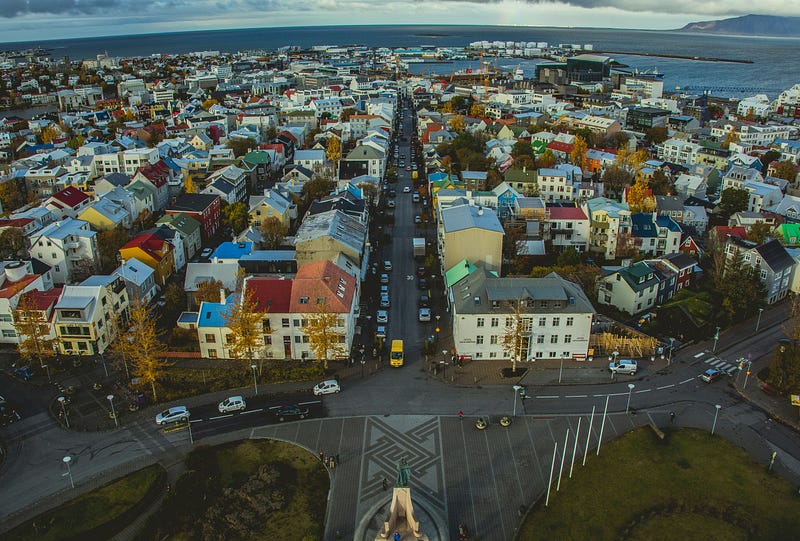
Before you go booking your return flights, a quick note. I’d only recommend doing this in the summer season. Not only can Iceland’s winters be incredibly harsh and unforgiving but with only 4 hours of daylight during the winter months, navigating and driving around the country can be dangerous.
What mode of transport is best for you?
With a round trip of Iceland easily exceeding 2000km, the effort required to drive and fuel costs add up quickly. For me, there are 3 modes of transport to consider, all varying in cost and convenience.
Option 1 - Hire a Campervan
Killing two birds with one stone, combining both a mode of transport with some shelter, this is one of the more expensive mode of transport Iceland has to offer. Costing more than simply hiring out a standard car, a campervan comes with the benefit of not needing to book accommodation.
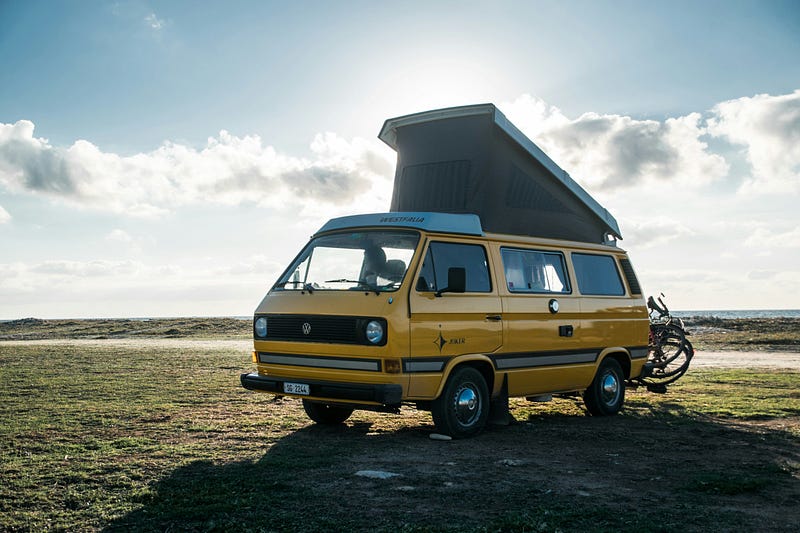
With accommodation often scarce, especially on the east coast of the country, a campervan offers a good opportunity to compete with the high costs associated with accommodation. Obviously, if you’re organized enough, you may find that you can find good deals on accommodation, making a campervan a more expensive option.
I’d argue however, the greatest benefit of a campervan is for those who are more spontaneous travelers. Driving with your bed in the back gives you complete flexibility throughout your trip. You’re not tied in to making sure you reach the next town every night, if you decide you like a particular area, you can set up shop and stay a big longer. Transporting your kitchen about also means you can cook whenever you want and helps combat some of those incredibly high restaurant prices.
Option 2 - Hire a car
This was the method I adopted. Having organized the trip well in advance, I not only knew exactly what I wanted to see but I could also find accommodation at reasonable price, making a campervan a more expensive option.
A car is a perfect option for those looking for some flexibility. You’re in charge of getting around the country, you can set off when you’d like and stop whenever you’d like (you’ll be wanting to do this a lot, not only to break up the long driving stints but to take photos of some of Iceland’s incredible scenery).
Option 3 - Organized Bus Tours
Don’t worry, these aren’t your typical commuter buses. These are Iceland designed buses suitable for long drives and harsh terrain. The benefit of this option, you do no driving. You join a group excursion run by a travel company who take care of everything. Whilst you gain the freedom of not having drive which a allows you to take in all of the scenery, this option provides the least flexibility and can sometimes come in as the most expensive option. It really comes down to what you value, peace of mind and minimum reasonability or flexibility.
Where to land?
Flying in internationally, you’ll find yourself landing at Keflavík International Airport, approximately one hour outside the capital. Depending on where you fly from, you’re arrival time in Iceland will vary. With the exception of flight which arrives in the morning, I would prioritize heading straight for your accommodation and getting as much rest as possible, the next 10 days will be anything but relaxing.
Day 1 - The Blue Lagoon & Glymur Waterfall
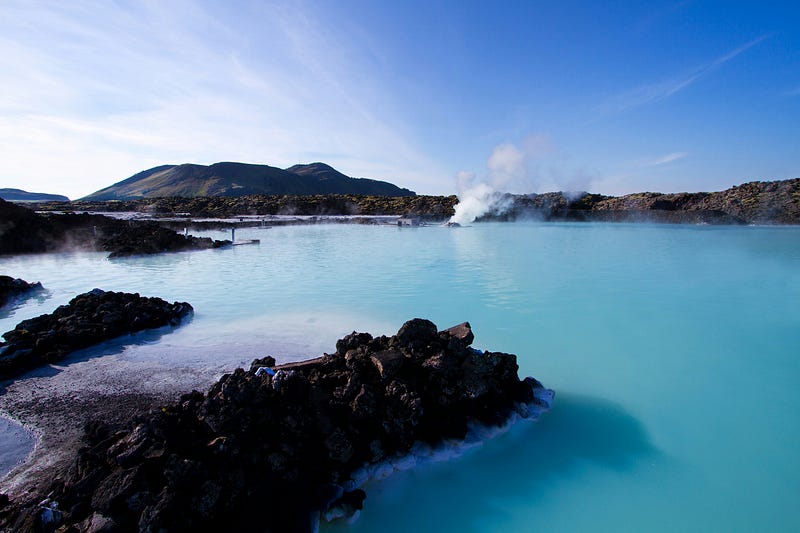
Situated about an hour away from Reykjavik, I would advise that you spend your first night in Iceland near the Blue Lagoon. Grindavik is perfect and is only a few miles south of the Lagoon and offers plenty of guest house options.
I would encourage an early start on day one and head straight to the Blue Lagoon. Here you can take advantage of the relaxing geothermal experience, enjoy a few drinks or even have a spa experience. I found 2 hours at the Lagoon was enough before hoping back in the car and travelling north to our next stop.
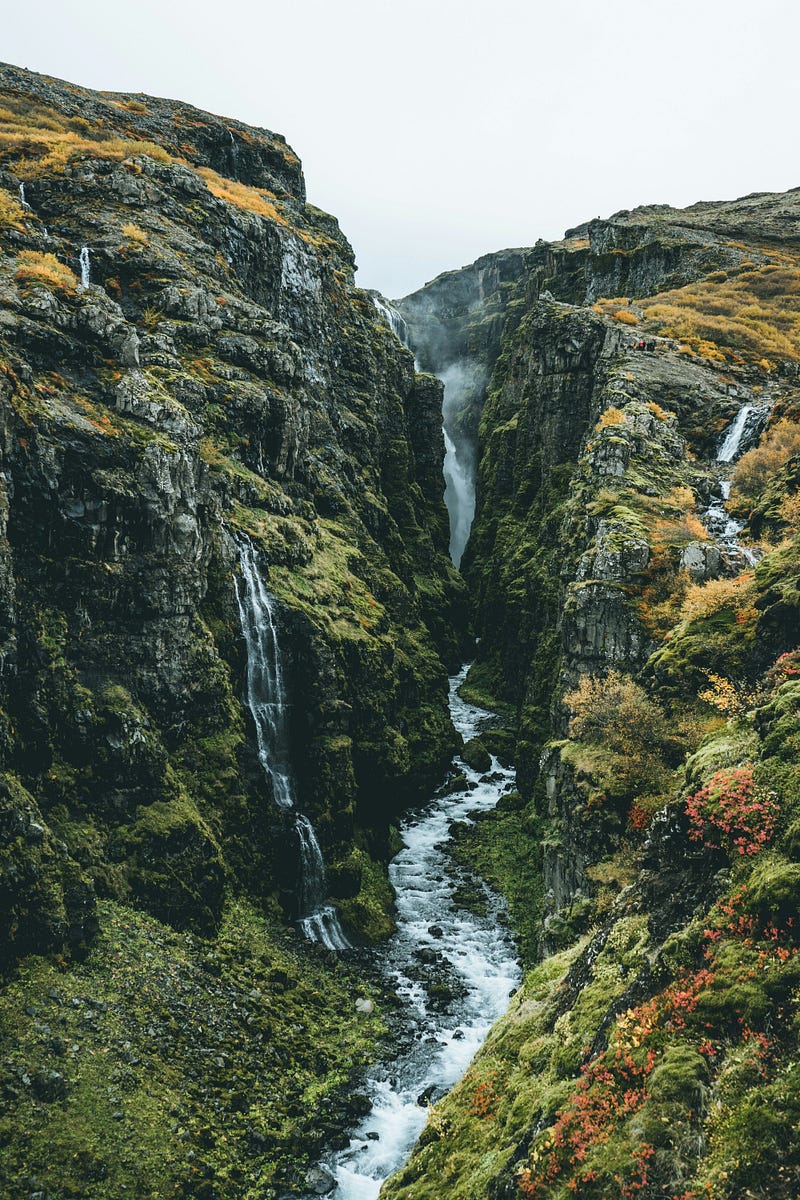
I’d advise you to drive another hour or two north, passing Reykjavik on route. I’d recommend you stop at Glymur Waterfall which is about a 30 minute drive off the main road. At the car park you’ll be greeted by an approximately 5km loop in which you’ll walk up and on top of canyon to see your first Iceland waterfall. At a total hight of 198m (650ft) this is one of Iceland’s tallest and impressive waterfalls.
With a lot of Iceland’s north west coast not easily accessible by conventional standard vehicles, I would then proceed on the long drive to Akureyri. After a long first day, you’ll have covered close to a quarter of the country (at least geographically) and will have earned a good nights sleep.
Day 2- Godafoss Waterfall & Whale Watching
Compared to the over 400km covered on day one, day two will thankfully be closer to 80km. Starting relatively early from Akureyri, you’ll want to head south to Godafoss waterfall. A more commercialized modest waterfall, Godafoss provides the unique experience of being able to walk up close to the base and on top of the waterfall, a beautiful and impressive waterfall, all be it different when compared to Glymur.
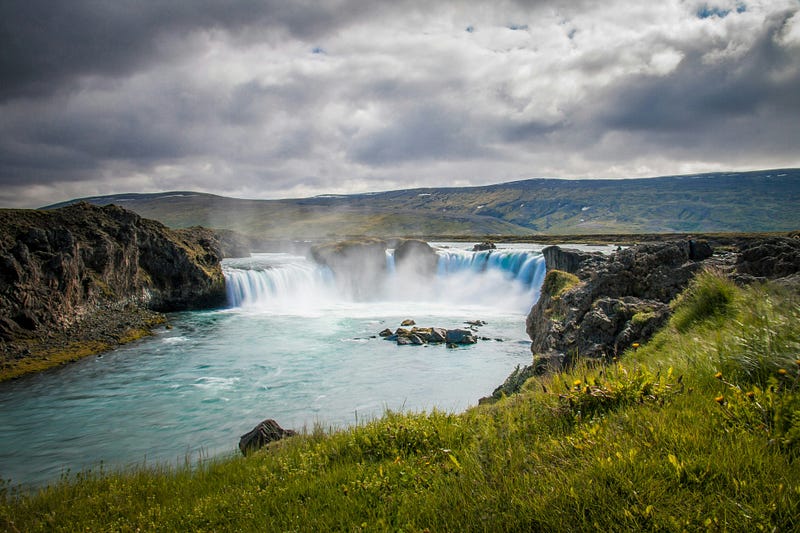
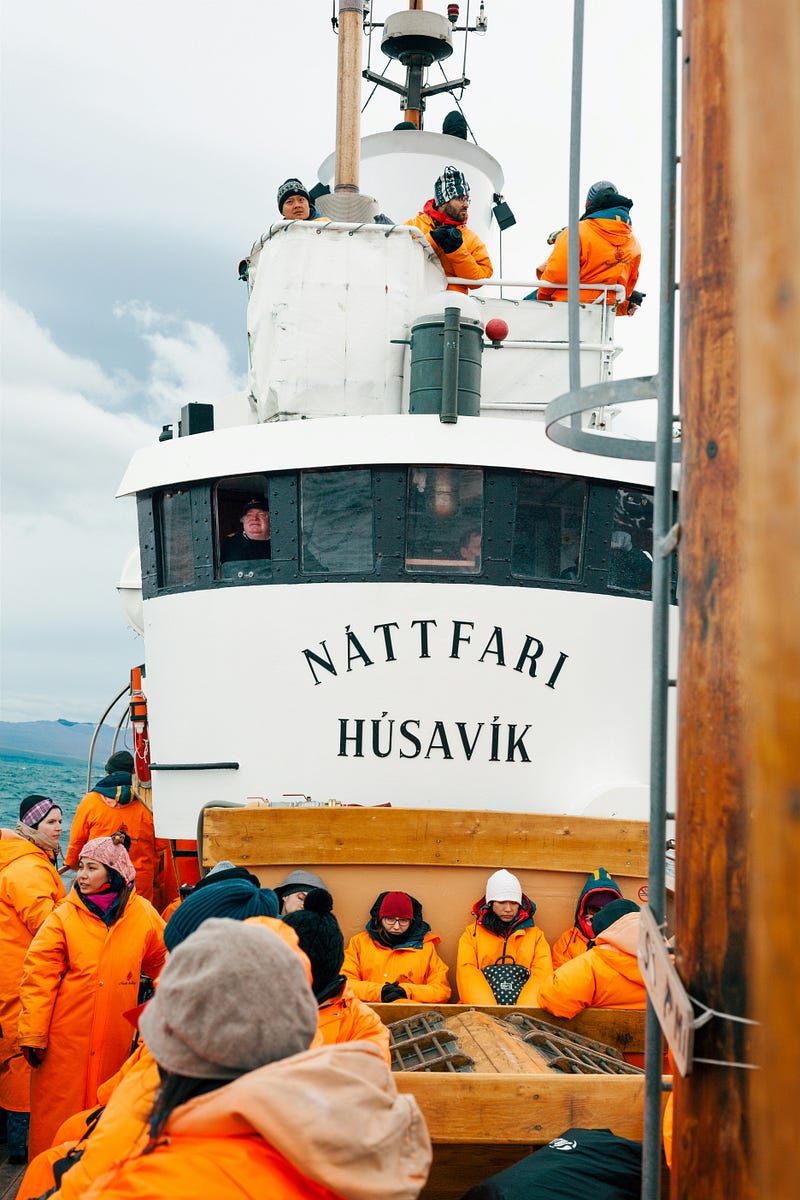
Once you’re done here, I’d recommend you head north to Husvaik. This is the most northern point in Iceland you’ll visit, and maybe for many, the most northern point you’ll ever visit. Once you check in to your accommodation, there will be no time to rest. Get changed and head down to the dock where I’d recommend you book a whale watching tour. The excursion lasts approximately 3 hours and is worth it. You’ll head out to sea where you’ll almost definitely be greeted by whale after whale, a truly unique experience.
Day 3 - Hverfjall Volcano, Dettifoss Waterfall & Asbyrgi Canyon
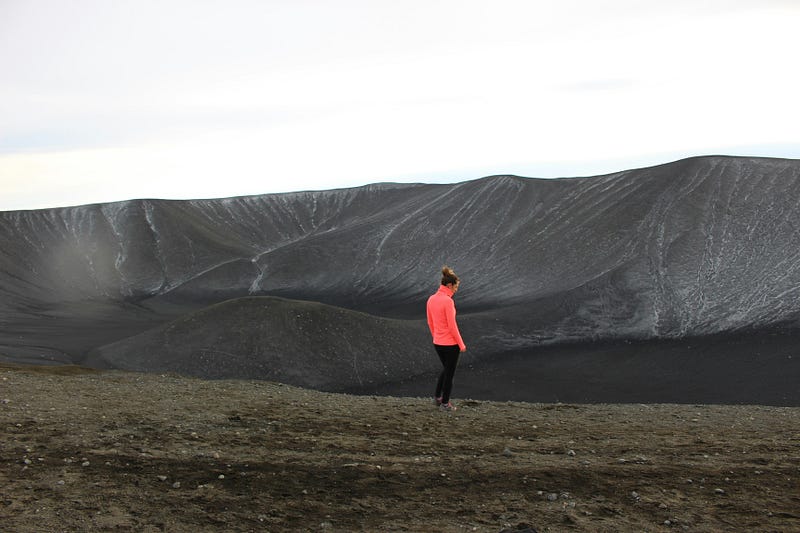
It’s day 3, it’s about time you see your first Icelandic volcano. From Husavik you’ll head south and drive to Hverfjall Volcano. A mile or two off the main road you’ll find a carpark which leads directly into steep walk up the volcano’s side. Once at the top, you’ll be able to complete the roughly 3km loop of the volcano top, taking in the impressive volcano core and surrounding scenery.
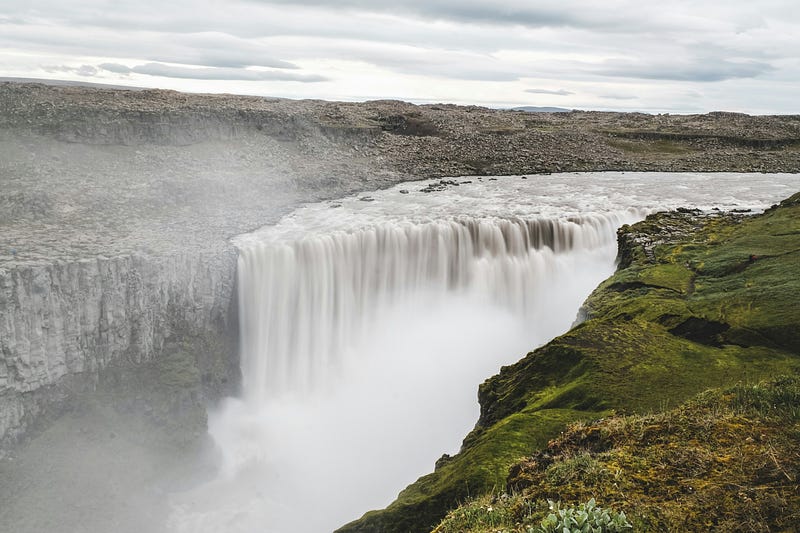
We’ll then head east along Iceland’s route one before turning off to route 862 until we find the Dettiffoss Waterfall car park. Once there I’d advise you prepare yourself and put on your waterproofs, you’re about to get wet. From the car park, complete the 1km walk to the waterfall. As Europe’s most powerful waterfall, it’s no surprise you’ll be able to hear the falls before you see it.
The waterfall has many different vantage points. I’d recommend you sample them all. My only advice would be to take the “splash zone” signs seriously, they’re there for a reason.
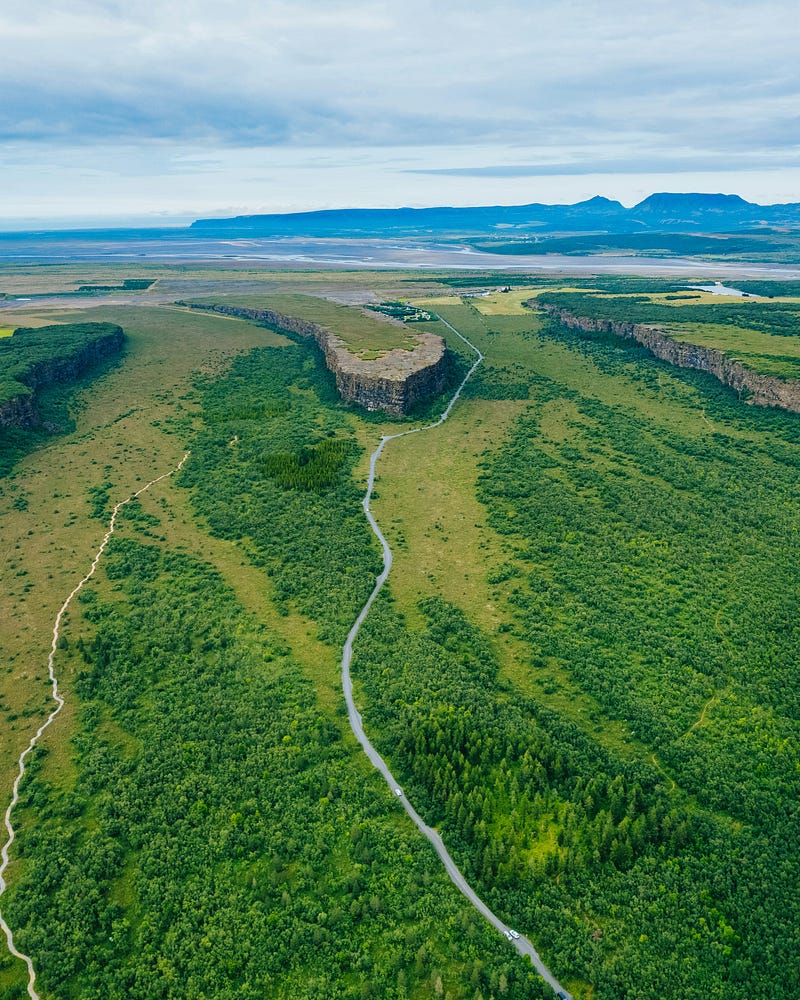
As you’re on route 862, you might as well continue on it, right? For another unique Icelandic experience, I’d suggest you continue north until you hit Asbyrgi Canyon. A canyon filled with greenery and ampule walks, this is definitely a unusual and unique location.
From here, I would head south east towards Egilsstaðir. This will be your next stopping point. With plenty of restaurants, this is an ideal hub to explore the surrounding area in the coming days.
Day 4 - Studlagil Canyon
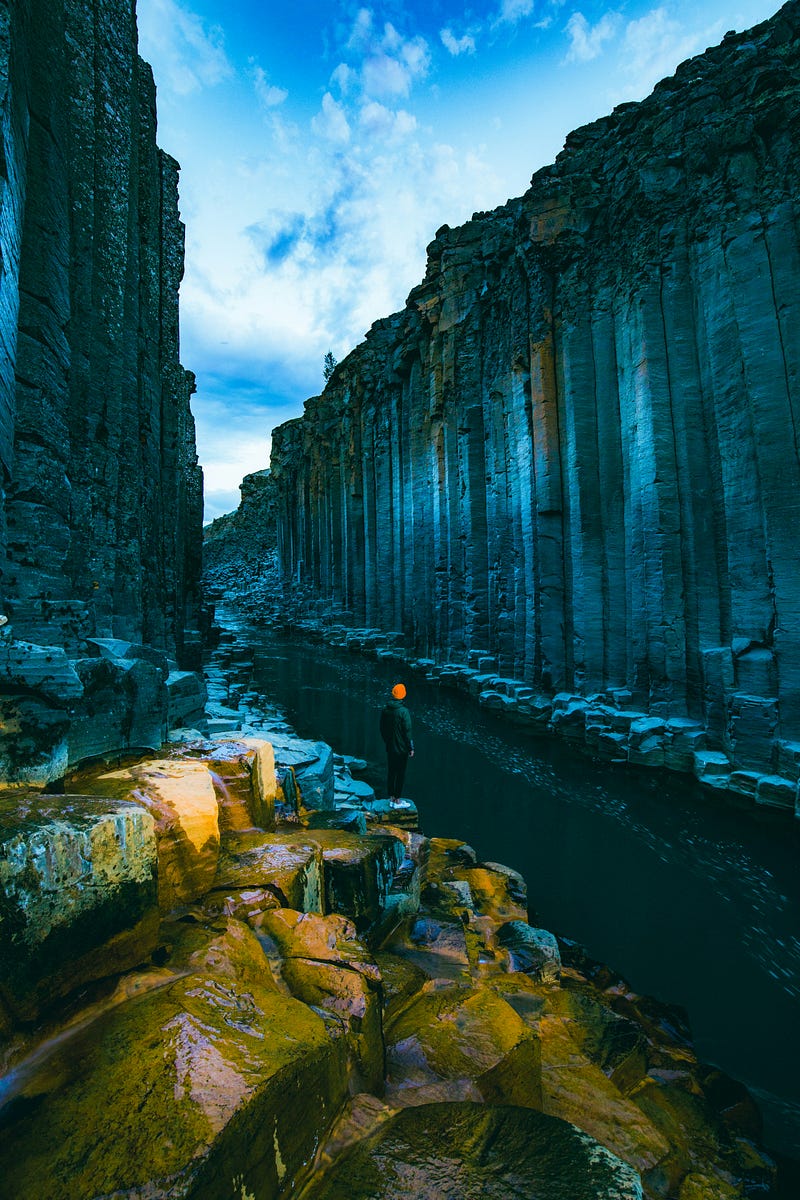
On day 4, we’ll find ourselves retracing our steps, heading back west to check out Studlagil Canyon. Located a few miles off the main road, Studlagil Canyon can be found roughly 5km from its car park, down a straight built up path which follows the river.
Once at the canyon, you’ll find yourself in awe by the beauty of the canyon, both from above and from the side of the river. Make sure to take plenty of photos here, I can’t imagine many other places in the world like it.
Day 5 - Seydisfjordur
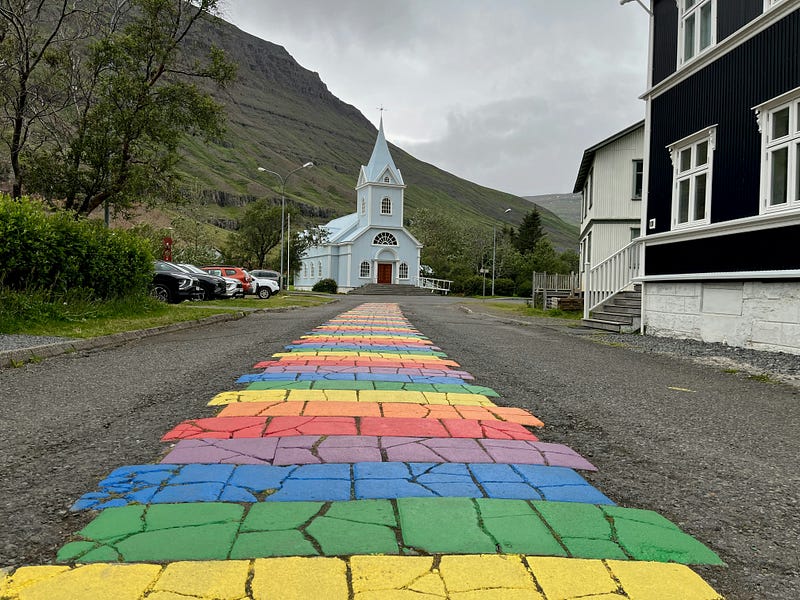
At the halfway point of the trip, it’s time to head to the east coast of Iceland and take is slightly easier. After all, you’ll be needing your energy for all that Iceland’s south coast has to offer. On day 5 I’d recommend driving to Seydisfjordur, a small town on Iceland’s eastern coast, famed for it rainbow road. The town offers a chance for something different and with plently of restaurants and caffees, it is a perfect place to recharge.
After your visit to Seydisfjordur, I’d recommend your make your way south, making your way along the eastern coast until you hit Hofn. A drive which takes approximetalt three hours, you begin to get a taste of Iceland’s famous south coast.
Day 6 - Glacier Lagoon, Skaftafell Glacier & Skogafoss Waterfall
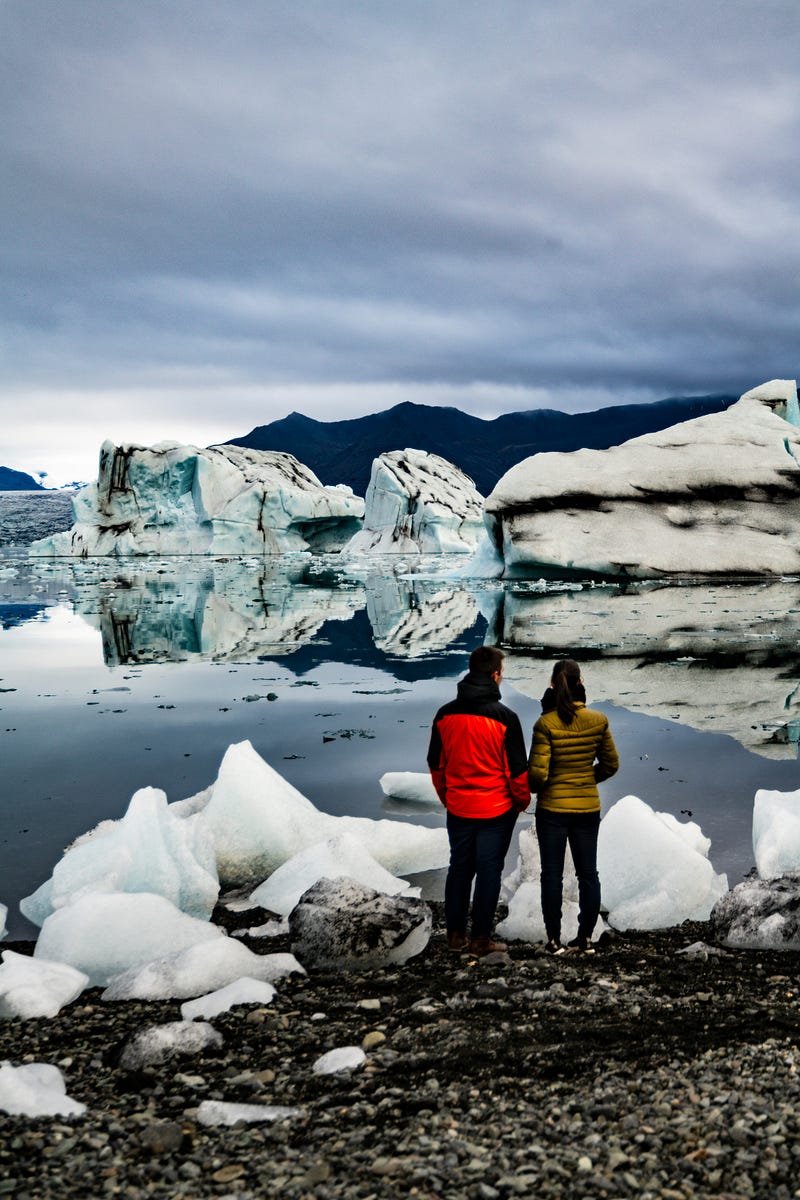
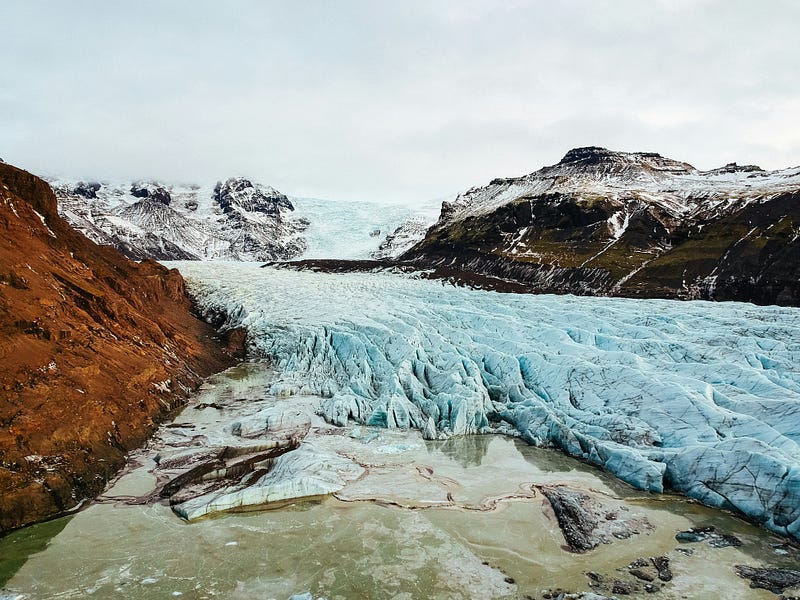
You’re now over the halfway point and will be thankful you took it easy on day five. This will be the busiest day yet but by far the most memorable. Setting off early from Hofn, I’d recommend you make your way to the Glacier Lagoon. I’d recommend you join a kayaking excursion which will take you out kayaking around some incredible icebergs, some of which are 200m in height from top to bottom.
After your kayaking adventure I’d continue down route one until you find the car park for Skaftafell Glacier. From here, you’ll need to join another organised excursion who’ll take you walking up a glacier, another truly unique experience. Don’t worry, grampons will be provided.
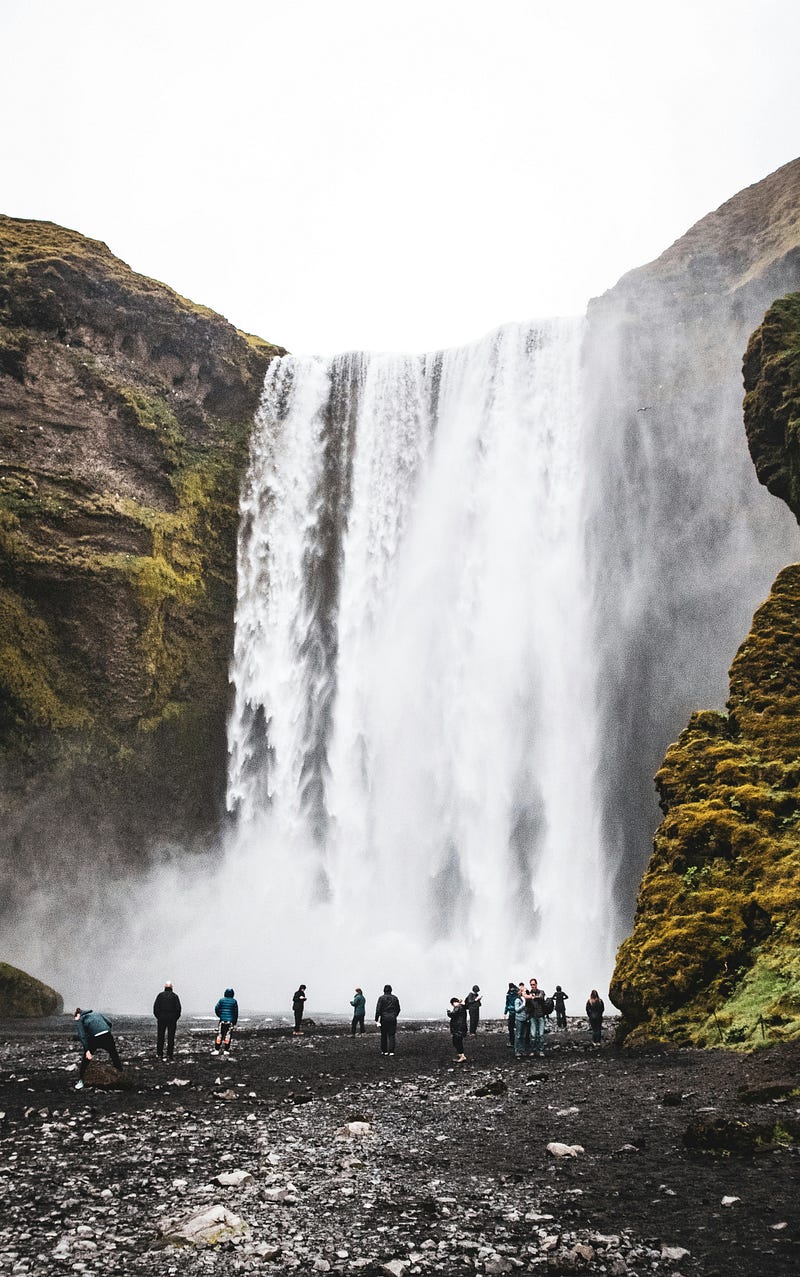
To end the day, why not stop at two more waterfalls. I’d recommend stopping at Skogafoss (a Microsoft desktop lock screen favorite). Standing at 60m tall, the wide loud waterfall provides another unique experience of standing at the base of a truly incredible waterfall.
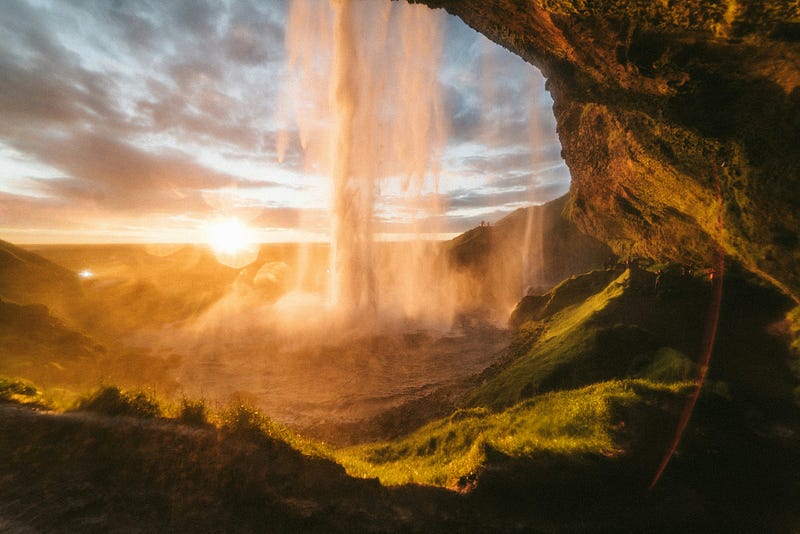
To end the day, why not stop at Seljalandsfoss Waterfall. One of the smaller falls you’ll see, but arguable one of the more beautiful. This incredible beuaty is highlighted late in the day where if you’re lucky, you’ll catch a sunset from behind the falls.
After such a busy day, you won’t want to drive much further, find yourself the nearest town with accomodation, Hella is an suitable location.
Day 7- Strokkur Geyser & Gullfoss Waterfall
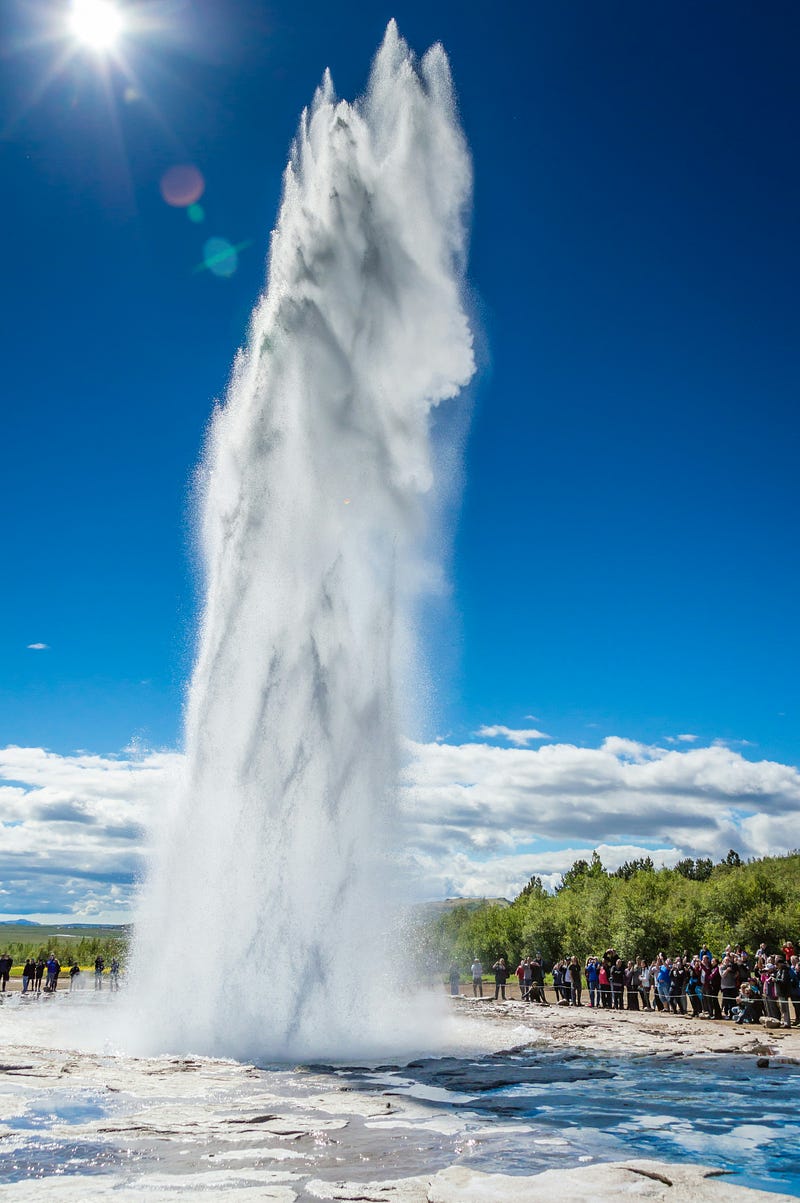
On day seven, we’ll begin to venture back into Iceland’s famous Golden Circle. A far more touristy area, prepare yourself for more traffic. The first stop I’d recommend is Strokkur Geyser, an incredible if not slightly smelly area. Here, you’ll have the oppertunity to see five different geysers, all of which errupt at different intervals.
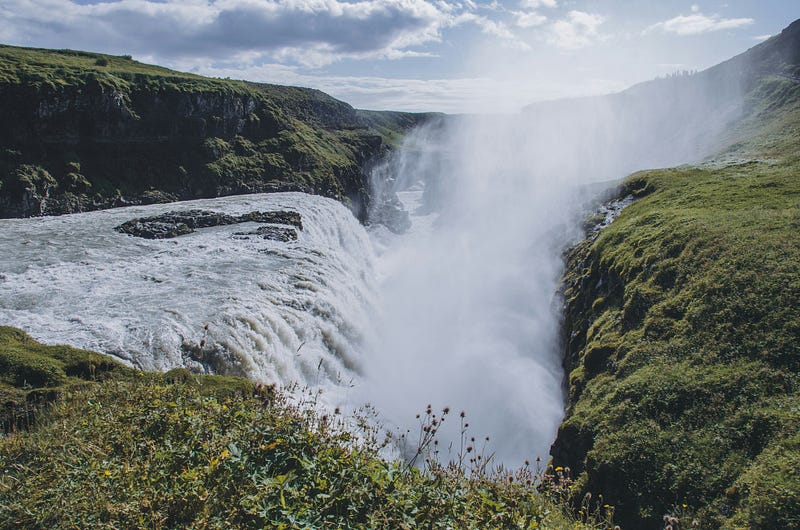
After sampling some geysers, drive further into the golden circle to look at, guess what, another waterfall. Situated in the heart of the Golden Circle, Gullfoss is one of the more commercialized waterfalls in Iceland. Once finished here, I’d recommend you make your way into the capital, Reykjavik, this should be your base of operations for your last few days.
Day 8 - Thingvellir National Park & Reykjavik
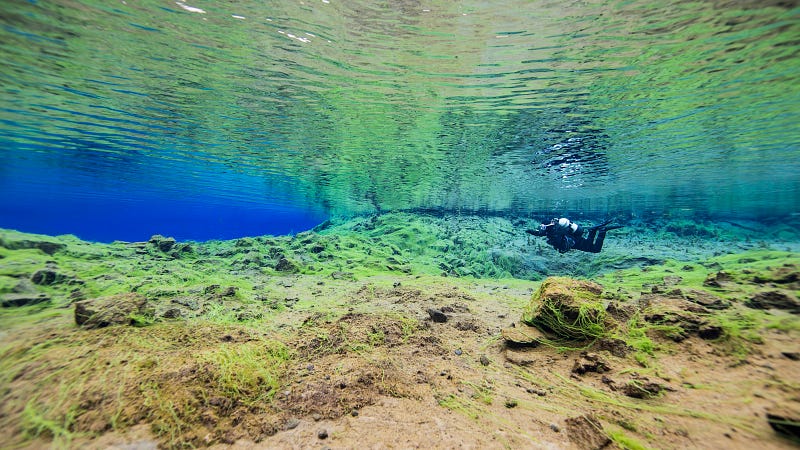
On day eight, I would head back into the golden circle and park in the Thingvellir National Park Visitor Center. Here you’ll find yourself situated between two tectonic plates which makes for some incredible geography. As well as exploring the area, I would argue that snorkeling between the plates is non negotiable and is an absolute must. With its super clear water, this 200m snorkel experience will leave you speechless.
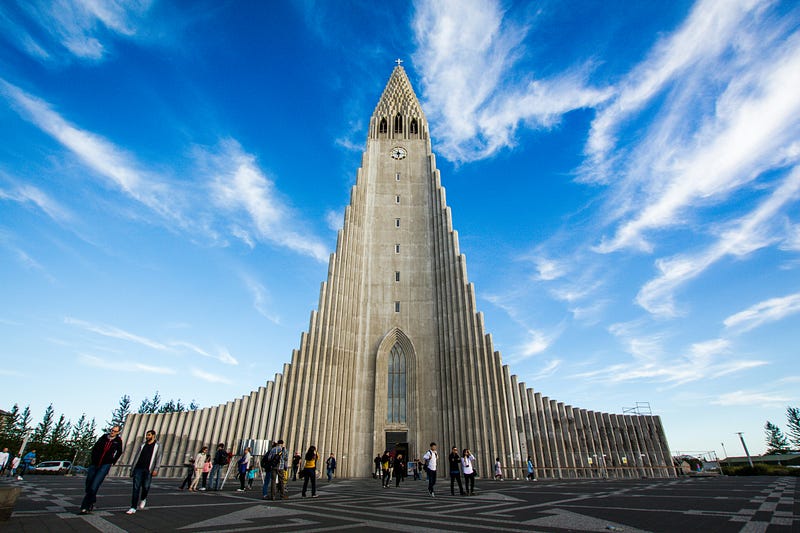
To end the day, head back into the capital. It’s time you explore the city center. Take advantage of the incredible restaurants and reflect on your holiday so far.
Day 9 - Reykjavik & Fagradalsfjall
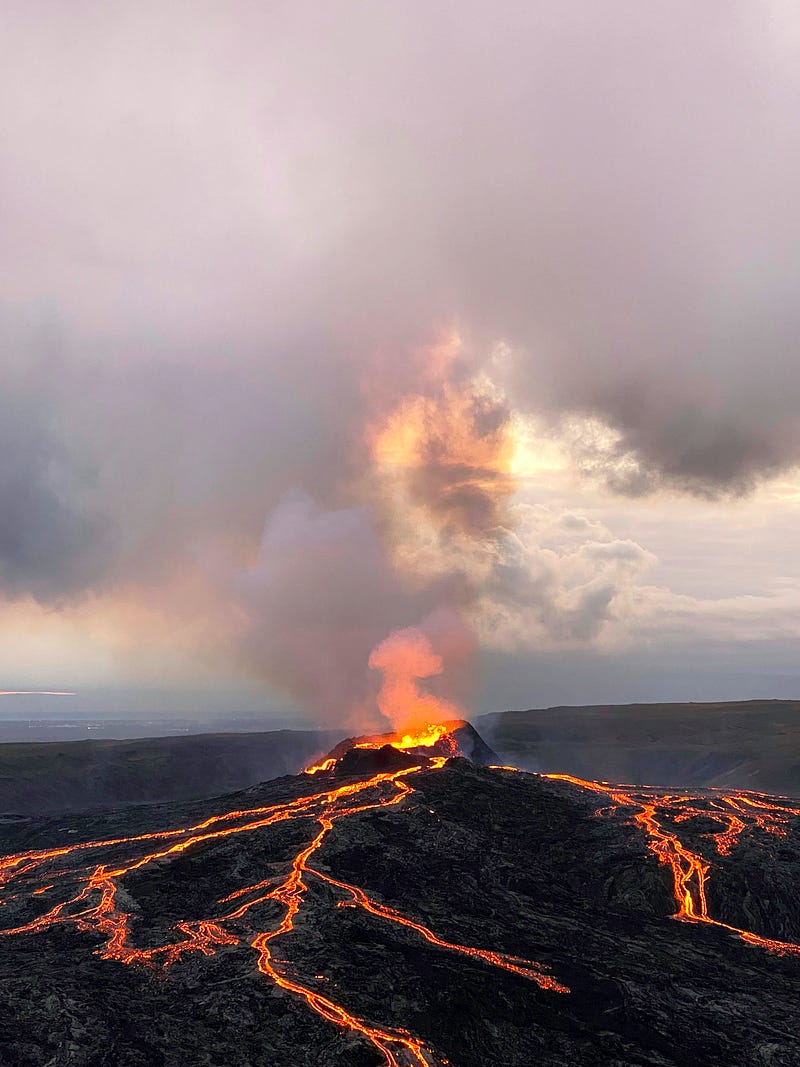
For your final full day, I would recommend exploring the city further and venturing out Fagradalsfjall. Fagradalsfjall is the site that you might have seen on the news given its frequent eruption status. Located near the blue lagoon, Fagradalsfjall offers you the opportunity to explore a more active volcanic region.
Day 10 - Reykjavik
After such a busy holiday, the last thing you’d want is another busy day before you fly home. On your last day I would recommend sampling the city center one last time before boarding your flight.
Thanks for reading my first travel post. I hope you’ve found it informative. I’d love to hear from you. Have you been to Iceland? What did you get up to? Anything you think I’ve missed? I’m always looking for a reason to go back


