
Self Improvement | Personal Development | Inspiration
How to Rid Yourself of Frustration & Self-Pity for Good
Not bad to feel ’em. Just bad to hang on to ‘em

Frustration and self pity are human emotions. That means if you’re human you get to feel them.
It’s what you do with them that makes the difference.
Some people build their lives around their frustration and self pity.
Others learn how to feel ’em and move on…
I’ve yet to meet the person who never struggles with frustration. As I said above, it comes with the territory of being human. Like many negative emotions, it’s not wrong or weak to feel frustrated.
What is crucial, however, is how we handle our frustration.
One of the quickest ways to change how we react to a negative emotion is to change how you see it and then what you do about it.
One unproductive way to view frustration is to think how dare something frustrate me, and then become offended by it. It’s as if you’re saying:
“God, I don’t like what life is handing me right now, and how dare you let this happen?”
The doing that comes with this viewing usually does not solve the problem.
In fact, it often makes it worse.
We yell, we curse, we blame, we raise our blood pressure and that of those around us.
And the problem still remains unsolved.

A more productive way
A more productive way to view frustration is as a chance for improving our problem-solving abilities.
If we are frustrated, we need to find some other tools to solve the situation. Develop as many problem-solving tools as you can, because as a wise person once said:
“If the only tool you have is a hammer, then everything begins to look like a nail.”
Ask yourself:
“Because what I am doing is obviously not solving the problem, what else can I do, find out, or learn to do that might solve it?”
And then there’s self pity
Have you ever noticed that frustration and self pity seem to go together?
The really nice thing about self-pity is if you can’t get others to feel sorry for you, you can always feel sorry for yourself.
The problem is when you throw a pity party, you are the only invited guest.
Then you have a choice:
Wallow in the mess or get out.
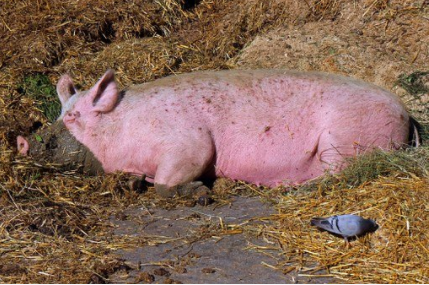
Wallowing in self-pity is easy. Just look around at all the bad things that have happened to you; compare yourself to a few other people you believe are doing better; and there you are, deep in wallow.
When you’re caught in self-pity, you lose perspective. As author Richard Bach has written:
“Perspective: Use it or lose it.”
To help powerfully shift your perspective, consider author Stephen Glenn’s definition of abundance:
“In terms of the world population, you have abundance if, when you get up in the morning, you have a choice of what to eat, a choice of what to wear, a job to go to (or something to do) and a way to get there.”
One way out of self-pity is to change your perspective and then do something with the abundance in front of you.
A worthwhile goal in life is to live so that if your life history is ever written, it would fall into the category to imitate.
And if you’re wondering where anger comes into this picture, check out this column:
So how does a Content Creation & Marketing guy have the right to write about all this emotional stuff? Here’s my story, and I’m sticking to it:


