
How to Return to a Quality ‘Normal’ with Care
Our dining experiences will undergo considerate changes when our kitchens and restaurants re-open
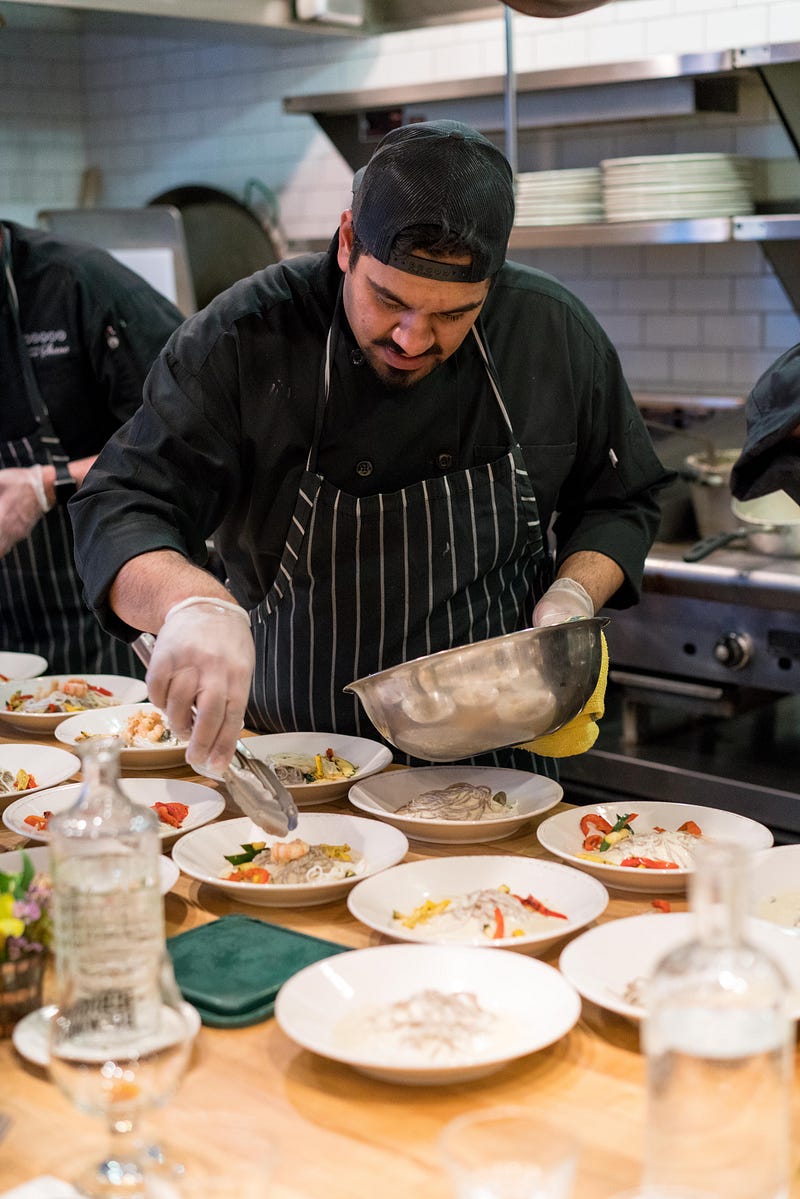
We know restaurants and chain-dining franchises have built their reputations on the way they serve meals to their customers. We’ve also seen the advertisements of cruise ships, well known for the spectacular buffet-style dining promoted aboard.
We can expect marked changes in our dining out experiences, when businesses re-open. No doubt, most of the social distancing practices will remain, while more serving and wait staff may be employed due to the quality changes in the way business is conducted.
Quality practices
Everyone’s method of essential hygiene around food differs. I’ve always found it offensive when someone handles the filling to a sandwich or wrap they make for my consumption. Wearing gloves without understanding the proper protocol, shouldn’t mean you can pat down the slices of tomato on my wrap, or artistically rearrange them because you’re wearing gloves, and then with your gloved hand, brush the hair from your forehead.
If you pick up a wooden-handled bread knife to slice open a roll wearing your gloves and then pick up all the fresh salad items to place on the bread roll still wearing your gloves, you’ve successfully contaminated everything you touched, following your action of putting down the bread knife.
Did you know wooden surfaces are more difficult to clean than non-porous surfaces?
Changing practices for buffet dining
There’ll be a fresh look at buffet dining with less customer self-service.
We’re seeing changes already in restaurants.
For instance, restaurants previously serving buffet-style dining, have adapted to cafeteria-style and family-style dining. Instead of customers serving themselves at the buffet, an attendant serves the food for them. We’re seeing items like desserts being pre-portioned into serves for customers to pick up themselves.
Service staff is more aware now of which surfaces require cleaning more often and attending to it.
Changing generations
Our lives are so different today from past generations.
In generations past, we had a mudroom or utility room, where our clothes and sporting gear were sorted, cleaned, and stored. If there was a bathroom attached, it was quite easy to keep the rest of the house clean.
Our children learned by watching, helping, growing up with an awareness of fresh produce, and the many ways to prepare it for the family.
Frequent handwashing was necessary and encouraged. In some of the older style homes there was a specific sink for handwashing.
Modern trends
Today we have apartments with little in the way of cooking space or appliances in the kitchen, as meals are eaten out, or brought home already prepared ready to eat.
The profile of the occupants may be the working couple with no children or housemates with busy lives who don’t want to cook. If access to dining is easy, then who wouldn’t want to dine out?
Open plan living
We also go to the opposite extreme where the open plan kitchen becomes the center of the home, and everyone pitches in to prepare the meals, serve and share. How do you police the handwashing activities of those helping in these circumstances?
Practices to keep in mind at home
- Don’t use hand towels or dishtowels to wipe the surface of plates before serving, especially the one you tossed over your shoulder to make you look more like an expert chef.
- If you prefer taste testing as you cook, then do so with a clean spoon. It’s best practice not to use the one you’re using to stir the pot.
- Don’t put items on your benchtops where food is prepared if the item has been on the floor or somewhere else that’s considered unclean. For example, standing your stools on the island bench when you wash the floor. Or groceries in carry-bags you’ve transported in the boot of the car, where you’ve also transported your dog, pot plants, fertilizer, sports bags, and sporting items and equipment.
10 Top home hygiene tips to remember and practice
1. Handwashing
Making sure your hands are clean is at the top of the kitchen hygiene rules list. It’s easy for bacteria to transfer, so wash your hands throughout prepping and cooking food. Make sure the whole family knows how to wash their hands properly.
2. Cook food thoroughly
One of the most important food hygiene rules is to ensure your food is cooked. If undercooked, harmful bacteria could lead to food poisoning. Cut into the food to check it’s cooked through, and make sure any reheated food is piping hot.
3. Store food correctly
Another food hygiene rule in the kitchen is safe storage. Make sure you cover leftovers or open food packets with cling film or seal in a plastic container. Don’t put warm food into the fridge and keep your fridge clear of any items that are out of date.
4. Wipe down countertops
Wiping kitchen countertops after every use is one of the easiest (and most essential) basic kitchen hygiene rules. You’ll not only be keeping things clean and tidy, but you’ll also be stopping the spread of bacteria, too.
5. Avoid cross-contamination
If you’ve ever had food poisoning, you’ll understand why avoiding cross-contamination is high on the list of essential kitchen hygiene rules. Use different boards for cutting fish, meat, vegetables, dairy, or bread. You can use different colored boards for different tasks. Never leave edible food next to raw meat. Wash your hands after handling raw meat.
6. Clean your chopping board after use
Bits of food left on a chopping board will soon breed bacteria, so scrubbing down your board at once after use is vital to stop the spread. Quick, easy, and essential, cleaning chopping boards is a basic kitchen hygiene rule.
7. Know your bin basics
Changing your bin is a crucial aspect of kitchen hygiene. Old food in a bin will soon decompose, and bacteria will start to form, so take your rubbish out daily.
8. Cleaning grease
Have you ever wiped a greasy mark, only to find it transferred from your cloth to every other surface in the kitchen? Try using a piece of absorbent kitchen towel instead — it’ll stop the spread of grease and bacteria.
9. Keep the fridge clean
Ensuring your fridge is clean is vital for good reason. Use a paper towel to spot-clean daily between thorough fridge cleaning sessions.
10. Scrub your sink daily
Your sink is in use regularly throughout the day, so it’ll become grimy and covered in bacteria quickly if not kept clean. Give your sink a quick scrub with a scourer and a spritz of kitchen cleaner once a day. Wipe up any pooled water or spillages around the sink with a paper towel.
These simple kitchen hygiene tips will help you avoid the spread of potentially harmful bacteria.


