
How to Reset Your Vagus Nerve
11 scientifically proven methods that boost health & happiness, promote healing, aid relaxation, and create mental clarity.
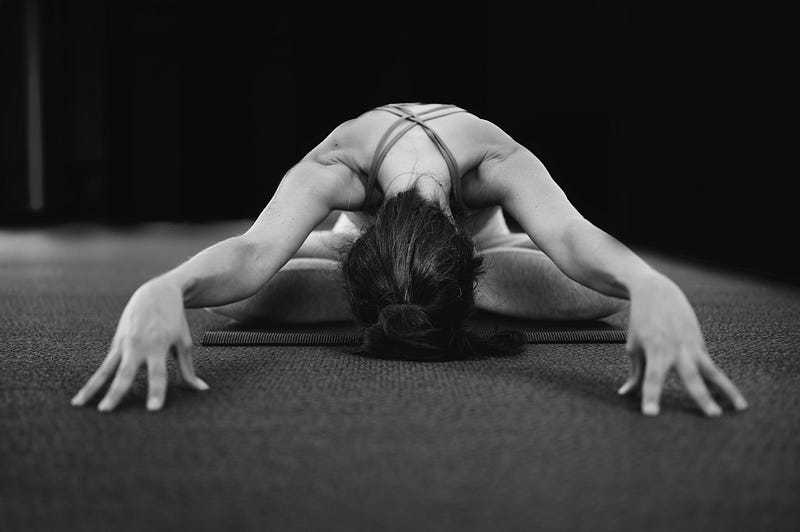
The vagus nerve represents the main component of the parasympathetic nervous system which serves many functions.
It is better known for helping us rest and digest which it does by slowing and stabilising a resting heart rate, slowing and stabilising the breath, promoting digestion, improving recovery and healing times, producing saliva, helping to release endorphins and hormones such as dopamine, oxytocin & serotonin, and boosting the immune, digestive, and cardiovascular systems.
The vagus nerve also delivers information from the gut to the brain, communicates with the diaphragm, sends anti-inflammatory signals to other parts of the body, and can be found behind the tongue, in the throat, neck, heart, lungs, abdomen, and brainstem.
The name “vagus” comes from the Latin term for “wandering.” So, this shows its adventurous nature.
Here are 11 scientifically proven methods that boost health & happiness and reset the vagus never.
1. Stretch
“Yoga stimulates different nerves in your body, especially the vagus nerve that carries information from the brain to most of the body’s major organs, slows everything down and allows self-regulation. It’s the nerve that is associated with the parasympathetic system and emotions like love, joy, and compassion.” — Deepak Chopra
You don’t need to be a yogi or have a strong yoga practice to stretch.
Find your way, listen to your body, and ease yourself into simple postures. This is enough to connect to the body and relax the mind.
If you don’t know where to start or haven’t got access to an in-person yoga class, one of my favourite online teachers is Yoga with Adrienne. She has over 600 videos on Youtube so there’s content for years!
2. Breathe
Because the breath is made of two parts — the inhale and the exhale — and both activate the autonomic nervous system, we can breathe in a particular way that encourages relaxation.
Inhaling activates the sympathetic nervous system (fight or flight) while exhaling activates the parasympathetic nervous system. One breathes stress into the body, the other breathes it out.
So, naturally, the quicker or more intensely we breathe the more stress we experience. The slower or more softly we breathe, on the other hand, the more relaxation we experience.
A simple guideline to follow here is to breathe slow, smooth breaths and breathe less.
Rhythmical breathing is one of my favourites to do just that.
Here’s how to practice it:
1. Breathe in through your nose (smoothly and without force) for 4 seconds
2. Breathe out through your nose or mouth (smoothly and without force) for 4 seconds
3. Leave no pause at the top of the inhale or at the bottom of the exhale
4. Continue up to 5 minutes or 40 breaths
5. Finish by holding your breath in for as long as comfortable
6. Return to normal breathing.
If you find that four seconds is too long, try breathing in for two seconds and out for two seconds instead, or in for three seconds, out for three seconds until your breath naturally relaxes. Then extend your breath once you feel more at ease.
As long as you’re breathing in a consistent rhythm without force, any rhythm is good. Your heart will know what to do next so it will naturally follow your lead and become coherent.
3. Hum/Chant
The muscles in the back of the throat are connected to the vagus nerve so singing, chanting, or humming are perfect for activating it.
Humming also releases a fabulous gas called nitric oxide.
Nitric oxide improves blood circulation and blood flow, reduces inflammation and tension, improves heart health, and lowers blood pressure.
It is also known to have antiviral, antibacterial, anti-inflammatory, antioxidant, and antimicrobial properties which help to kill viruses and bacteria in the nose and throat.
Another fun way to activate the vagus nerve is to gargle some water.
Often, the healthiest ways to heal, generate energy, and elevate our moods are the simplest. They’re also completely free of charge and can be practiced anywhere in the world!
4. Laugh more
The vagus nerve can be activated by laughing because it stimulates the muscles in the throat. It also releases some good old dopamine too so what’s not to like?
So, take time to create some joy and happiness in your life. Maybe that means grabbing a book, listening to a podcast, watching a movie, socialising with some friends, or participating in a laughing yoga class.
Or as Joseph Campbell says: “Follow your bliss” — in whatever ways that means for you.
5. Gag yourself
For real. I’m serious.
When we gag, we activate the muscles in the muscles that are connected to the vagus nerve. Some doctors even use the gag reflex to tell if a patient’s vagus nerve is working optimally.
It doesn’t have to be in a gross way, though. You can quickly gag yourself while you brush your teeth. My girlfriend’s brother does it all the time.
To quote the man himself, this is what he has to say: “I know I’m done brushing my teeth when I gag myself.”
6. Spend time in nature
Spending time in nature naturally relaxes the body and mind. If you can walk around barefoot for a while then even better.
This is known as “earthing” and it’s often associated with flower-power hippies dancing around in fields of daisies.
However, science now backs those hippies up.
7. Jump in some cold water
Cold water exposure can activate something called the diving reflex which instantly activates the vagus nerve.
The diving reflex essentially involves being submerged in cold water and holding the breath. The easiest way to do this is to jump in a cold shower.
A lot of research now shows that within a few minutes of being in cold water, the parasympathetic nervous system activity — which, is responsible for calming the body — significantly increases.
8. Exercise
Exercise raises dopamine levels, increases blood circulation, and deepens the breath. So, naturally, we feel more energised, calm, and well-rested as a result.
This is a result of the parasympathetic nervous system engaging after rest.
There’s some delayed gratification needed here but it’s well worth the wait.
9. Listen to brainwave music
Along with harmonising our brainwave activity, enhancing productivity and mental clarity, and promoting peace and relaxation, brainwave music also taps into the parasympathetic nervous system so the vagus nerve gets stimulated.
It’s as easy as pressing play on a piece of music.
Here’s one of my favourites.
10. Create “soft” eyes
Our eyes, like the breath, often reflect our inner state. Sharp, dilated, focused eyes, for example, reveal a heightened sense of alertness.
Soft, open eyes, on the other hand, reflect a sense of ease and relaxation. So, by creating “soft eyes” the nervous system naturally relaxes as a result.
This practice is great for relieving stress, reducing anxiety, and relaxing the body. It’s a quick and effective way to tap into the parasympathetic nervous system and enter a space of peace and calmness.
It’s one of the ways wild animals can be hunted one minute and graze upon the grass as if nothing happened the next.
Putting it into practice:
· Sit comfortably and allow your body to relax
· Look straight ahead and land your gaze on an object in the distance
· Begin to connect to your peripheral vision while continuing to look straight ahead
· Now, expand your awareness to the spaces up and down without moving your eyes. Then connect your vision to spaces at the side as well.
· Allow your focus to be on ‘all things’ all at once as your eyes begin to ‘soften’
· Stay connected to your breath
· Remain here for as long as it feels good
11. Make love
When we make love, we kiss, moan, and breathe deeper. We also get a good dose of dopamine, oxytocin, and serotonin, and stimulate the vagus nerve.
So, what’s not to like?!
To recap
Here are 11 ways to reset your vagus nerve once again:
- Stretch
- Breathe
- Hum/Chant
- Laugh more
- Gag yourself
- Spend time in nature
- Jump in cold water
- Exercise
- Listen to brainwave music
- Create “soft” eyes
- Make love
If you’ve been inspired by these few words but want to go deeper, check out my favourite breathwork technique below. It combines rhythmical breathing, chanting, and brainwave music. So, it’s a win-win-win :)
Alternatively, sign up for a free online masterclass here.


