
Health | Self-care | Self Improvement
How To Relieve Lower Back Pain:
The Ultimate Guide For Busy People

You are anxious.
Your lower back hurts and you are unsure how to relieve your lower back pain.
You are on edge and confused about what to do next.
You are usually healthy and well, so you are not sure what is causing this searing pain.
You dither between thinking about going to the Doctors to get it checked out or whether to trust it will sort itself out with two days rest and ibuprofen!
However, you are still anxious.
Your colleague suffered from back pain last year.
And after loads of tests, it turned out to be a tumour on her spine, which she is still receiving treatment.
So, your back pain worries you.
Life is stressful for you now.
You are under a lot of pressure at work.
And it makes your heart burn to think what your team will say if you phone in and say your back is hurting, and you need to stay home to rest it!
At home, you are always on the go.
Juggling family time with work commitments.
Looking after your family, chauffeuring your children around to their various after-school activities, doing the shopping and gardening for your elderly parents, you do not have time to be laid up in bed with a bad back!
Right about now, it throws you off balance and you’re in so much discomfort, you just want the pain to go away!
That is why, in this guide, I will:
Describe lower back pain causes
Cover simple and safe low back treatments you can use at home to relieve your back pain — including herniated disc pain.
Provide suggestions about the different lower back pain relief products you can use — including straightforward back pain exercises you can do at home.
Suggest sleeping tips to help relieve back pain while sleeping, and complementary therapies you can try to soothe your pain.
And if by any chance you might be pregnant, this post also covers how to relieve lower back pain during pregnancy!
So, by the end of this guide, you’ll get a better understanding of what might cause your back pain, and the simple strategies you can take now to relieve the pain, so you can get on with your life.
===> A word of caution. Although this article focuses on looking at ways to relieve lower back pain, it is purely for educational purposes and does not offer a medical diagnosis.
If your back pain persists, I encourage you to consult your medical practitioner for a thorough assessment and medical diagnosis.
Lower back pain can negatively affect your life.
I have spent years observing my dad deal with lower back pain so I have first-hand experience of how back pain can impinge on your ability to work, do your favourite activities and do things you enjoy with your family.
And as you can testify, lower back pain is painful; it restricts your range of movement, and if left untreated can ruin your life.
Simple everyday activities which you usually take for granted, such as bending down to put on your socks and shoes, are painful.
Taking shopping out of the car boot or even sitting down on your chair to read emails on your laptop causes your back to flare up and start throbbing.
Everything you do seems to crush your spine — especially sitting on the settee couched over your laptop!
And night-time is worse, as you struggle to find a comfortable spot.
Many of us don’t realise lower back pain is a leading cause of disability and can affect people of any age.
It is one of the most common health problems, especially in industrialised ##countries where over 75% of the population develop lower back pain at least once during their life.
Lower Back Pain Causes
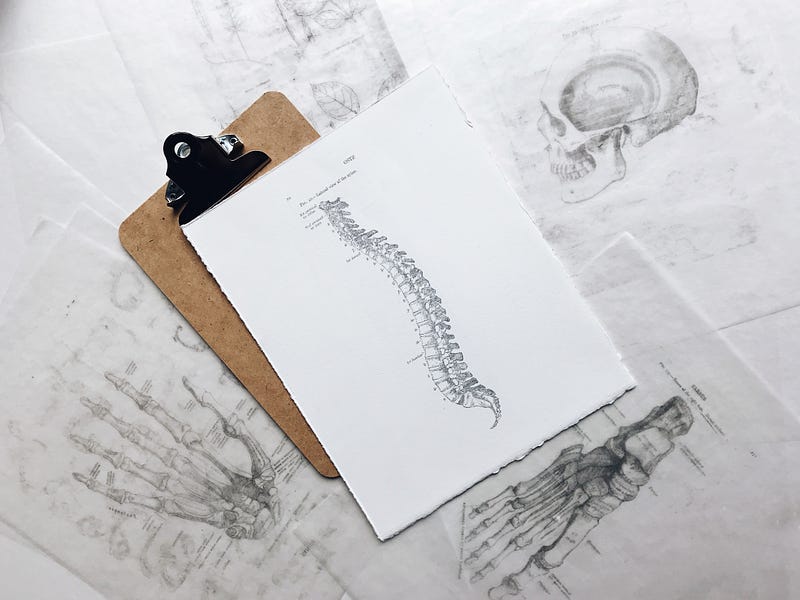
The spine, known as the spinal column comprises 33 irregularly shaped
curved bones, called vertebrae which stack up one on top of each other.
The spinal column has four distinct sections running from your neck to the base of your pelvis.
1. The Cervical Spine Region (Vertebrae C1-C70).
2. The Thoracic Spine Region (Vertebrae T1-T12).
3. The Lumbar Spine Region (Vertebra L1-L5).
4. The Sacrum and the Coccyx/Tail Bone Region fused at the base of the spine.
Lower back pain occurs in the lumbar region of the spine and classified as either:
1. Acute lower back pain is where the pain lasts for less than four weeks.
2. Subacute back pain is where the pain lasts for four to eight weeks.
3. Chronic back pain is pain lasting for over eight weeks.
The lumbar spine bears most of the weight of your upper body and provides a flexible connection between the upper and lower parts of your body.
There are three primary causes of lower back pain
- Mechanical pain known as Axial pain, is caused by muscle strain, a pulled ligament, or injury.
Mechanical pain usually occurs when you make a sudden, sharp movement such as twisting or bending down to pick an object up from the floor, straining muscles from an unexpected fall when exercising, or lifting a bulky object improperly.
Mechanical pain best as either a dull ache or sharp pain.
2. Referred/Structural pain. Structural back pain results from an underlying medical condition, which include
Osteoporosis: As we age, the vertebrae can become brittle and porous, making the bones vulnerable to weakness and breakages.
Arthritis: Osteoarthritis can cause problems with the joints in the hips, lower back, and other parts of the body.
An unusual curvature of the spine: If the spine curves unusually, for example, a C or S-shaped space as in scoliosis, lower back pain can occur which you feel around your hips and thighs.
3. Radicular pain. Radicular pain is often the most painful type of lower back pain.
This pain feels like a sharp searing pain, sometimes accompanied with numbness and weakness down your legs.
Radicular pain is caused by conditions that press on a spinal nerve such as sciatica pain or a slipped, herniated disc.
Sciatica is nerve pain that starts in the lower back and radiates down the buttocks to the thigh and leg on one side.
Most people know someone who has a slipped disc, also known as a herniated or prolapsed disc.
A herniated disk relates to a problem with one of the spongy discs that sit between the 33 vertebrae (bones of the spine) which make up your spinal column.
A spinal disk has a soft, jellylike center (nucleus) covered in a tough, rubbery case known as the annulus. A slipped, herniated disc occurs when some jelly-like substance leaks out through a hole or tear in the annulus.
A herniated disk can occur in any part of the spine, and depending where the herniated disc is, if it presses on nerves it results in pain, weakness or numbness in an arm or leg.
Lower Back Pain Causes in Females
Women are more susceptible to lower back pain than men because the changes in a women’s life cycle-menstruation, pregnancy, childbirth, menopause causes hormonal changes which have a ripple effect on every cell and system in the body, including your lower back.
However, for low back pain in women, the discomfort may also relate to bacterial infection, such as
- Pelvic Inflammatory Disease (PID) PID is essentially an infection of the female reproductive system. Left untreated, it can lead to irreversible damage to the female reproductive system and infertility.
Treatment of this condition depends upon how severe the infection is and may comprise taking antibiotics or it might involve surgery
- Menstruation, lower back pain is one symptom of dysmenorrhea, a term when given to particularly painful periods.
- Osteoporosis, especially in women over 50, where decreased levels of the hormone oestrogen, which helps to protect bone strength, make the bones brittle and susceptible to fracture.
- Pregnancy, it is common for women to suffer from lower back pain when pregnant. The strain of the extra weight on the body can cause chronic discomfort, ranging from the middle to the lower back.

Other causes of lower back pain
Outside of the above mechanical conditions, injuries, and medical diagnosis such as a tumour on the spine, back pain can also result from your daily lifestyle habits, which include:
- Poor posture and lack of movement during the day, is the most common reason for back issues.
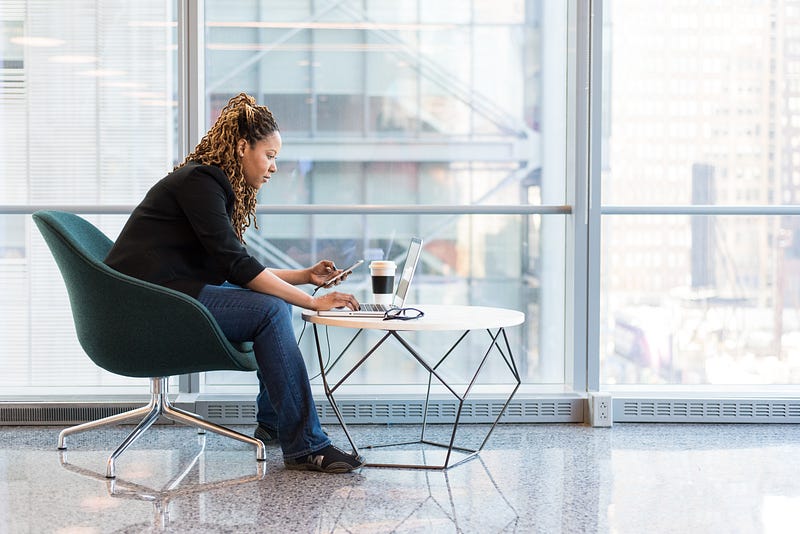
- Spending lengthy periods of time crouched over your desk with limited range of movement or movement breaks during the day.
- Dreadful sleeping habits, sleep disorders, sleeping on a soft mattress or sleeping badly.
- Overstretching to reach an item from a top-shelf.
- Lengthy periods of driving, e.g. bus drivers, long-distance lorry drivers, driving in heavy rush hour traffic which causes mental stress.
- Wearing ill-fitting shoes, especially high heels, causes your body to be structurally misaligned and builds up tension in your body.
Over time, these habits if left unchecked place unnecessary strain on your back muscles and the misalignment can cause lower back pain.
Lower Back Pain Treatment at Home: 4 Ideas That Really Work
- Rest for a day or two. Take a few days to rest and reduce your usual load on your back, especially if your usual job involves sitting down for lengthy periods of time, moving bulky furniture or a long commute.
The best way to rest on your back is lying down either on your back with your back supported by placing a firm pillow under your knees.
Or if you prefer to rest on your side in the foetal position, a soft pillow between your knees helps to keep your spine aligned in its natural curved position.
Whatever position you use, make sure you feel comfortable, and support your neck with a small soft cushion or towel rolled up under your neck.
Even if your lower back pain is still sore after two days’ rest, it is best to get up and engage in light daily activities to stimulate your circulation and prevent your muscles and joints from stiffening up, thus increasing your risk of straining your back.
2. Ice Therapy. Ice therapy reduces inflammation, which is usually a culprit in any back pain.
Placing an ice-pack on the affected area acts as a local anaesthetic by slowing down nerve impulses, which keep the nerves from spasming and causing pain.
To prevent ice-burn, wrap your ice pack (a packet of frozen vegetables is fine) in a lightweight towel or pillowcase and place it on your back.
Keep the ice pack in place for around five to ten minutes and repeat every hour for 48 hours.
For best effect, use an ice pack as soon as possible after your injury, sprain or strain your back.
3. Heat therapy. Heat therapy is another useful treatment you can use at home to relieve lower back pain.
Heat helps to improve blood circulation and releases endorphins, which eases the sensation of pain.
To use heat therapy, apply a hot water bottle or heat wrap to the site of pain; and a warm bath or a warm shower when the pain feels too much also gives you a sense of release and ease.
4. Gentle stretches. You can also get relief from back pain by doing lower back pain exercises, for example, yoga stretches, or Pilates exercises you can do at home. Gentle stretches help to ease tension in your back, improve the health of muscles and joints, and enhance the distribution of healing nutrients through blood circulation and increase the flexibility of the spine.
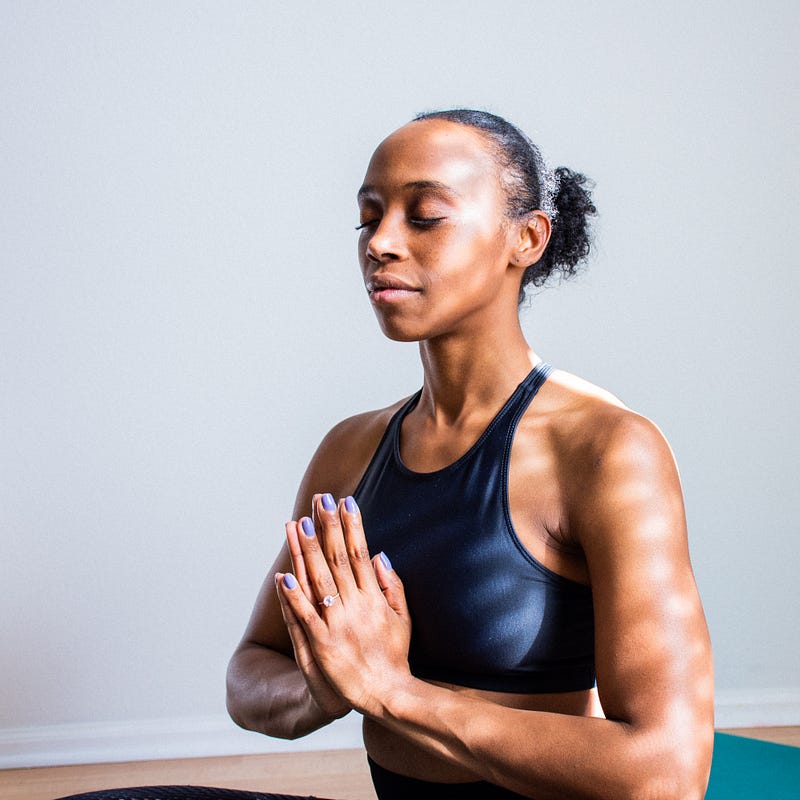
Lower back pain exercises help to release the buildup of tension and stress in your body, increase the mobility of your spine and improve your posture.
Watch this video — Releasing tension in lower back, which is a short practice you can do at home, laying on your bed or exercise mat to relieve lower back pain.
And to reduce the risk of reoccurring back pain, here is a simple video of how to make your bed with good posture (to prevent hunchback)
Three Lower Back Pain Relief Products
Lower back pain relief products include over-the-counter back pain products include tablets known as non-steroidal anti-inflammatory medications (NSAID), pain relief gels and herbal creams, nutritional supplements.
1. Popular NSAID include aspirin, paracetamol, and ibuprofen.
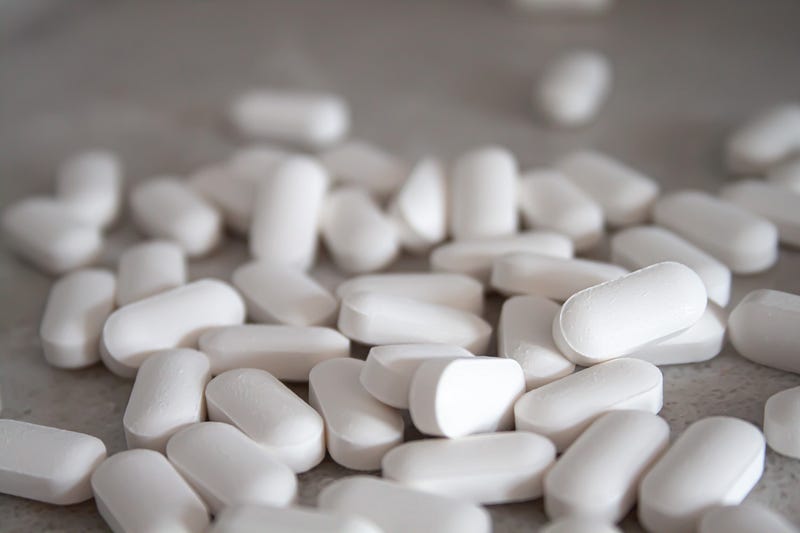
NSAID gives immediate relief and helps to reduce pain, swelling and inflammation around the sore muscles and spinal discs.
You take NSAID orally and for safety, they advise you to follow the guidelines on the label and to contact your doctor if the pain persists.
2. Pain relief gels and herbal rubs provide temporary relief from lower back pain.
Pain relief gel and herbal rub products include various ingredients, such as methyl salicylate, menthol, comfrey root, camphor, tiger balm, arnica, provide either a cold sensation or heat to the body when massaged into your back.
The cold and warmth sensation block pain signals from traveling to your brain, and the act of massaging the product into the skin helps to increase blood flow, which relaxes and soothes muscles.
3. Supplements. The main nutritional supplements, Vitamin B, Vitamin C, Vitamin D, Vitamin E and minerals calcium and magnesium, that help with lower back pain, reduce inflammation.
They also fortify bones, improve muscle, and nerve function, and overall boost your immune system.
Your Doctor can prescribe vitamin booster pills or injections if they assess you as deficient in these areas.
Supplements do not provide immediate relief from pain and we need further study to assess their effectiveness in targeting back pain relief.
They are better suited as part of a long-term strategy for back health to boost your overall health and wellbeing.
Here are three preventative/remedial products you can try at home or work to relieve your lower back pain:
1. Posture-boosters cushions:
Posture booster cushions are often ergonomic designed, a wedge-shaped cushion that you can put on your desk chair.
The wedge shape tilts your pelvis and helps your hips to be higher than your knees, which helps reduce lower back pain and realigning the spine for better posture.
2. Sitting balls you can use instead of sitting on a chair.
Watch this video to find out the pros and cons of using a sitting ball instead of a chair to help relieve lower back pain.
3. Heating pads placed behind your back or wherever feels stiff.
A heating pad, for example, a hot water bottle, helps to manage back pain by providing a localised application of heat to a part of the body that feels pain.
The concentrated level of heat causes the blood vessels in that area to dilate, which increases the blood flood to the area.
In this article, the authors give an informative overview of the best heating pads on the market you can use to help relieve back pain.
My dad swears by heat pads and regularly uses one to help ease his back.
===> QUICK Back Pain Relief TIP
Place two tennis balls and stick the two tennis balls (they do not have to be new) in the end of the sock and bound the ends.

Sandwich the tennis balls between your back and a wall or headboard and rub them against the sore areas.
Or you can also lie down on the floor with the tennis balls beneath you and roll your knots out that way
How to Relieve Lower Back Pain Without Over the Counter Drugs
If you prefer not to use medicine or over-the-counter tablets for back pain relief, complementary therapies are an appealing alternative.
Many people turn to complementary and alternative medicine (CAM) to help relieve lower back pain, for example, Cranial Sacral Therapy, Yoga Therapy, or Acupunture.
For temporary relief from acute pain, complementary therapies are pleasant options to relieve lower back pain.
However, more research is needed to confirm the long-term benefits of complementary therapies and alternative medicines.
And if you enjoy using a therapist, it may spark your interest to make complementary therapies part of your regular wellness routine to help rebalance and strengthen your body.
===> Quick Tip. When considering complementary or alternative therapies or herbal options, make sure you choose a therapist who is registered with a governing body, is certified and has appropriate public liability insurance.
It is always a sensible idea to use a therapist who has experience in working with people who have lower back pain and have been recommended.
Where your back pain is chronic, and you have explored the options above, and the pain persists, your doctor may suggest a course of corticosteroid injections to calm the pain.
Cortisone shots or epidural injections can calm inflamed joints and tissues but do not speed healing or prevent further relapses.
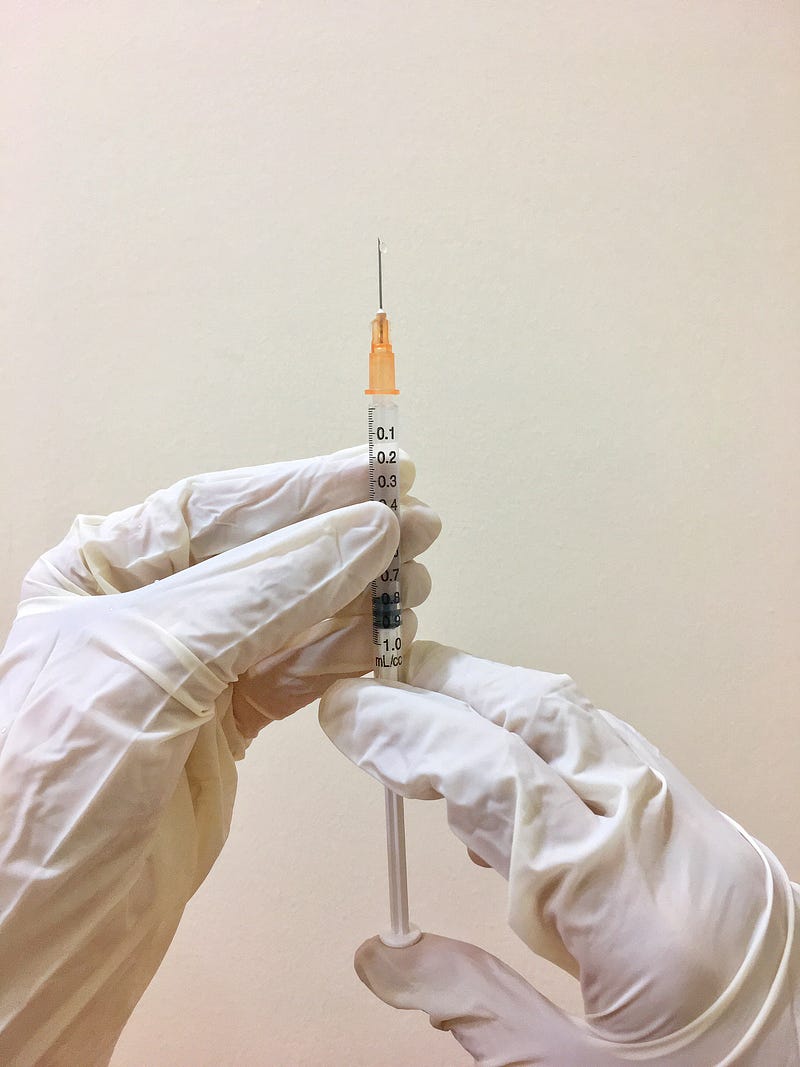
Injections target the area around the spinal cord where nerve roots travel around the body and used commonly to ease sciatica nerve pain.
Most people find this a very painful process, and we need further research to confirm the long-term benefits of this course of action.
===>Watch this video for an overview of the benefits, and risks associated with steroid injections for acute lower back pain.
One of the negative effects of lower back pain is the impact it has on your sleep.Most people with lower back pain find it difficult to get a good night’s sleep because they find it hard to find a pain-free position.
So, in the next section, let us look at some simple things you can do at home to relieve lower back pain while sleeping.
How To Relieve Lower Back Pain While Sleeping
Getting a good night’s sleep and waking up pain-free is a back pain sufferer’s dream.
However, when you have lower back pain, you might be afraid to relax and find a comfortable position in case you trigger your pain.
The key thing to remember is to keep your hips supported, head, neck and back resting and in a neutral position to reduce the risk of increasing the tension in the back.
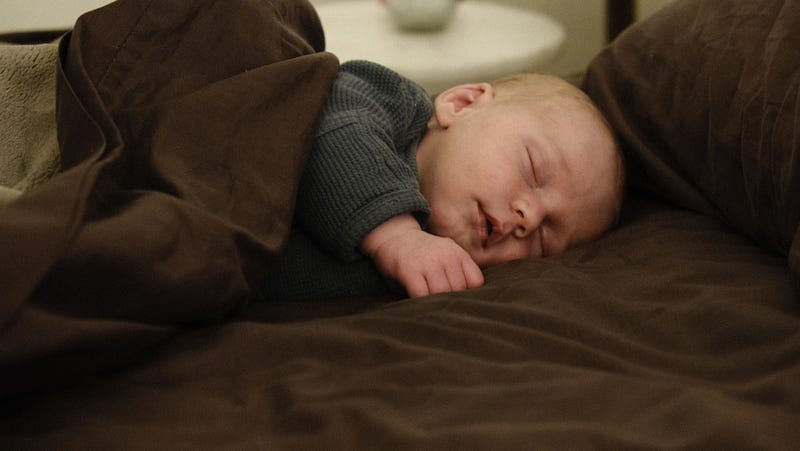
Here are five Back Relieving Sleep Tips to support you relieve lower back pain while sleeping.
Sleep Tip #1: Make sure whatever position you are in, the head, neck and back are aligned by placing a pillow under your head and neck when you lie down.
Sleep Tip #2: Sleep on your back with a firm pillow under your knees.
This position eases the pressure on your lower back as your body weight supported by your mattress.
Sleep Tip #3: Sleep on your side in the foetal position helps to keep your spine aligned, lengthened, and supported.
Lying in the foetal position on your left side avoids pressure on your internal organs and allows full breathing.
Sleep Tip #4: Alternatively, you can sleep on your side with one leg tucked up, you can also use a firm pillow nestled between your legs to keep your hips, pelvis and spine aligned.
Sleep Tip #5: If you still feel uncomfortable and fearful of lying down in your bed, then sleep on your stomach and place a small flat pillow under your hips.
Most important is you feel comfortable and your back and hips and neck are supported and aligned.
Once you get a comfortable night’s sleep and wake up rested, it helps to build up your resilience as you relieve your lower back pain.
Lower back pain affects every area of your life, especially your ability to focus on work and get things done.
Your family depends on you to look after them and you can’t afford the time to be off work, so it is essential you find quick tips and techniques to relieve your lower back pain, so you feel in control and confident to get on with your life.
In this guide we have explored different back pain relief options-from simple DIY lower back pain exercises you can do at home for deep relief to steroid injections to reduce the pain, if your pain persists.
As always, consult your medical doctor for an accurate assessment and proper diagnosis of your lower back pain before trying out the suggestions listed here.
And let me know what was your favourite tip in helping you get a better understanding of the causes and types of back pain, and the options open to help you know how to relieve lower back pain?
And, if you want more self-care and wellness practices to improve your mental health, I invite you to get my Free 7-Part Video Mini-Course to help you Relax & De-stress Thank you.