
Women’s Health | Pain Relief
How to Relieve Lower Back Pain
The Ultimate Guide to Feeling Better Faster in 2022

You’re in pain.
You’re suffering.
You’d ride a magical unicorn to the end of the rainbow if it helped you figure out how to relieve your lower back pain.
Everyone has an opinion on what you should do, but none of it actually works as a long-term fix for your specific pain.
Do you want to know why?
Pain management is not a one size fits all game.
Just one approach is not likely to work long-term because you actually need to be using multiple approaches.
You need to identify the cause, find a way to deal with the pain in the short term, and then work to fix, or manage, the root cause of the pain for any long-term relief.
Today let’s walk through this process and talk about some of the options you can use to find relief no matter if your lower back pain is acute or chronic or from an injury, pregnancy, or disease.

This article is meant for educational purposes only and is not medical advice. Nothing in this post is meant to substitute for professional medical advice, diagnosis, or treatment. Always seek the advice of a qualified health professional with any questions you may have about your personal health.
Lower Back Pain Causes: 10 Reasons You Are Living With Pain
There can be many causes of lower back pain from an injury to disease to your shoes. Read through these top ten reasons to see if any of them could be contributing to your pain.
Acute Injury — One of the main causes of pain is an acute, or immediate, injury. This pain comes on suddenly from doing something that is too strenuous or some kind of accident and has typically happened in the last 3 months. This type of pain must be addressed medically as soon as possible to evaluate the severity of the injury before moving on to any of the ideas in this article.
Chronic Injury — This type of pain has persisted for more than 3 months and is typically from a previous injury or accident. This can be very difficult to deal with because it has lasted so long. After being examined by a medical professional, some of the ideas in this article could be helpful.
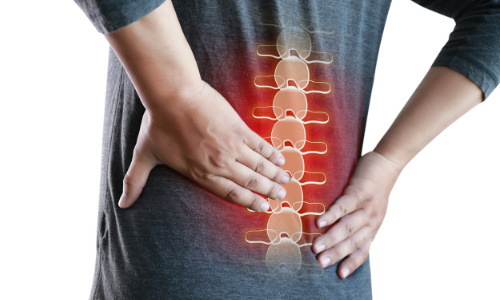
Medical Condition or Disease — There are short medical conditions such as pregnancy that can cause lower back pain, but there are also some diseases that can trigger pain. Conditions such as arthritis, fibromyalgia, osteoporosis, sciatica, scoliosis, and ankylosing spondylitis just to name a few. This is why it is imperative to have an accurate diagnosis prior to trying any at-home treatments. You need to know what you are dealing with so that you can choose the right combination of self-care.
Poor Posture — Just the simple habit of sitting incorrectly or standing/walking with poor posture can trigger back pain…which is why your mom always told you to stand up straight!
Improper Sleeping Position — Sleeping on your stomach or back without the proper support from your mattress or pillows can cause lower back pain.
Sedentary Lifestyle — Ever heard “use it or lose it?” Well, that applies to muscles too. Lack of use causes muscles to atrophy and triggers pain.
Your Job — A job where you have to lift heavy objects can be one of the top reasons for lower back pain.
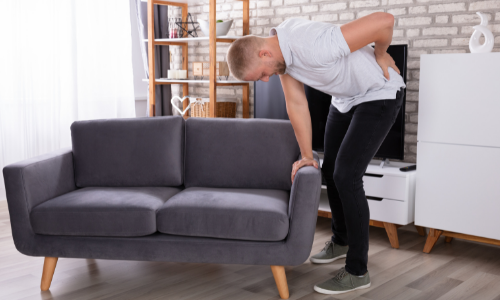
Repetitive Motion — This type of pain usually stems from a sports injury.
Your Shoes — Your feet are the foundation of your spine and without proper foot alignment, you will have lower back pain.
Your Furniture — Your bed, desk, couch, etc. could be triggering pain because it is not supporting your alignment correctly.
It is important to look at all these areas when assessing the cause of your pain.
It is extremely beneficial to have a medical professional involved in this assessment as well. They can do x-rays, MRIs, and other physical assessments as well as injections and surgery if needed.
It is key that you discover the root cause so that you can be sure that any at-home treatments you try do not extend your pain.

How to Relieve Lower Back Pain Fast in 3 Easy Steps
You feel like you’ve tried everything, but nothing works. A combination of activity, over-the-counter or prescription products/medications, and even supplements is key to helping find relief.
Stay Active
It may be counterintuitive, but one of the biggest recommendations for relieving lower back pain is to stay active. The muscles need to be used and stretched properly so they do not tense up and cause more pain.
Stretches such as knee-to-chest, trunk rotation, pelvic tilt, and a hamstring stretch can be very helpful to keep the muscles in prime condition and reduce pain.
Lower Back Pain Relief Products
There are many over-the-counter products that can be used to help reduce pain in the lower back such as alternating ice and heat, over-the-counter pain medications and anti-inflammatories, top pain creams, and heat patches can all be found at your local drugstore.
Supplements
There are certain supplements such as tart cherry, turmeric, and green tea that can be used as anti-inflammatories.
Also, supplements such as vitamin C, D3, B6, Calcium, and Magnesium can be used to promote overall health.
Once you know what is causing your pain, it can be beneficial to choose a combination of products to find relief.
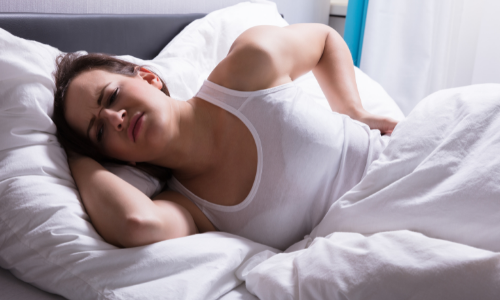
4 Ways to Relieve Lower Back Pain While Sleeping That Will Make You Feel Like a Whole New Person
One of the biggest complaints that people in pain have is that they do nott sleep well.
Lack of sleep can cause many health issues, but when dealing with an injury sleep is critical to healing.
So let’s talk about some of the top questions people have about sleep.
What Supplements Should I Take for Sleep?
Once again, there are supplements that can be used short-term to help you sleep. Things such as valerian, melatonin, and l-theanine can encourage the body, and mind, to calm down enough to trigger sleep.
How Do I Know if My Bed is Causing Back Pain?
Do you wake up with pain? Does your back feel better on vacation when you are away from your normal bed? Do you toss and turn all night long trying to get comfortable? Is your mattress old, saggy, too soft, too hard?
There are many reasons your mattress could be the culprit when looking at your lower back pain.
The average mattress should be replaced every 6–8 years. It should also be rotated (like your car tires) once or twice a year. Most people aren’t doing this.
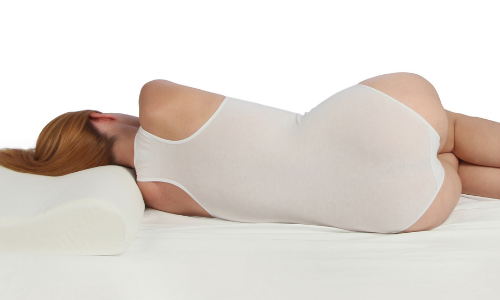
Does My Pillow Affect My Back?
The short answer is yes. A strain in your neck can cause you to overcompensate and trigger low back pain.
You will want to find a pillow that supports your neck properly for your specific sleeping position as well.
What Sleep Position Relieves Lower Back Pain?
Most doctors agree that the best sleeping position for lower back pain is on your side with your knees bent — possibly even with a pillow between your knees for extra support.

5 Types of Lower Back Pain Exercises to Avoid & What to Do Instead
Continuing to exercise is extremely important for lower back pain relief, but there are certain exercises that may make the pain worse and should be avoided.
Crunches — Crunches place too much strain on your lower back and may contribute to disc injury.
High Impact Exercises — High impact exercises such as burpees and jumping jacks can also contribute to compression of the spine and impact discs.
Running — Many people do not maintain proper form during running which can contribute to lower back pain or repetitive strain or injury. Knee, ankle and foot injuries occur often while running and can throw off your gate which will affect the muscles of your spine.
Touching Toes — Depending on the cause of your lower back pain, touching your toes can overstretch your hamstrings, aggravate sciatica and place stress on your spine and discs.
Leg Lifts — If having a weak core is contributing to your pain, then lifting both legs at the same time can place undue stress on those core muscles.
It is important to keep your weight at an appropriate level for your body to help with pain so low impact exercises such as biking, swimming and walking can be extremely beneficial.
This video will give you some exercises that are specifically designed for the lower back.
Why Yoga Stretches for Lower Back Pain are the Bee’s Knees
Yoga is the perfect exercise for those with lower back pain.
It is gentle and can be customized easily to fit your needs.
Yoga poses such as cat-cow, seated forward fold, supported bridge, cobra, and child’s pose are easy to do anywhere.
The video below can give you more ideas of specific yoga stretches for low back pain.
5 Alternative Therapies for Lower Back Pain That Can Help You Feel Better
Many people immediately think of over-the-counter medications for help when they have lower back pain, but there are many alternative therapy practitioners who work wonders in combination with typical medical care for pain.
Chiropractic
The entire focus of a chiropractor is the alignment of the spine. This alignment helps nerves not be compressed and function properly.
A 2018 study found that those who received chiropractic treatment for lower back pain reported: less pain, improved function, and needed less pain medication.
Massage Therapy
Many times lower back pain is from a muscle strain.
Massage therapy can help to calm the muscle that is having pain as well as the muscles surrounding it.
Many times where we feel pain is not actually where the pain is coming from. A massage therapist can find the actual “trigger point”, or tight muscle, that may be referring pain to where you are feeling it.
Acupuncture
Acupuncture can be an amazing way to relieve lower back pain without any of the side effects from over-the-counter or prescription medication.
Although acupuncture is an ancient practice, modern medicine is just beginning to study it. Acupuncture has been shown to provide short-term relief to lower back pain.
Physical Therapy
Most people with lower back pain end up doing some physical therapy at some point whether it is for acute or chronic pain.
As noted above, maintaining activity and stretching is vital to improving lower back pain. A physical therapist can show you the correct exercises to help facilitate healing for your specific injury.
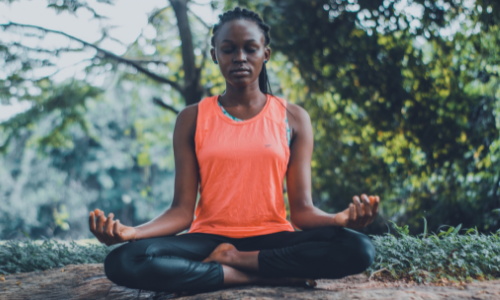
Meditation
You may be thinking, “Meditation? Really?”
In fact, studies have shown that mediation has been beneficial for lower back pain and may even be more beneficial than pain medication.
Meditation can help you control stress and anxiety and calm the central nervous system, therefore, reducing pain sensation.
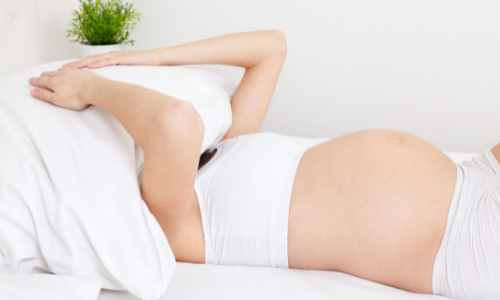
How to Relieve Lower Back Pain During Pregnancy: Simple Exercises You Can Do Anywhere
Many of the above stretches can be done while pregnant, but not all.
It’s important to check with your doctor before starting an exercise routine. This video below shares some exercises specifically for pregnant women designed by a doctor that can help you know where to start.
So, How Do I Relieve My Lower Back Pain? Answer: By Combining Therapies
Can you imagine what your life would be like if you were out of pain?
You could do whatever you wanted without worrying about it causing pain.
You could exercise to help build muscle and protect your back instead of coddling it.
You could sleep through the night and wake up feeling rested, and human, again.
Your next step is to figure out what is causing the pain.
Do you need to seek out a medical professional for an evaluation?
This is usually the best course of action to make sure that nothing you are doing to “help” is actually hurting more.
Once you know exactly what you’re dealing with, it’s time to choose the stretches and pain relief measures that you feel will work for you in the short term.
The final step would be to create a plan to get help correcting the root cause (be it surgery, physical therapy, chiropractic care, massage, acupuncture, etc.) or use these therapies to help manage the ongoing pain if correction is not an option for you.
Figuring out how to relieve lower back pain is not an easy fix, but with a combination of at-home and professional therapies, you can begin to feel better quickly.


