avatarDr. Erlijn van Genuchten

Free AI web copilot to create summaries, insights and extended knowledge, download it at here

4275

Abstract

or more efficiently, I save energy. This is how I do so:</p><ol><li>Using smaller glasses to use less space in the dishwasher</li><li>Reusing breakfast utensils instead of fresh ones each time</li><li>Sharing glass with a partner to reduce dishes in the dishwasher</li><li>Reusing cups during the day to reduce washing-up</li><li>Using the smallest container possible to save space in the dishwasher</li><li>Letting dishes dry naturally instead of using a dishwasher dryer</li><li>Using the energy-saving setting of the dishwasher</li></ol><figure id="7ab8"><img src="https://cdn-images-1.readmedium.com/v2/resize:fit:800/1*pmZUcZ6rJhyezOeZSYzF-w.jpeg"><figcaption>The energy-saving setting of my dishwasher (idea #673 in my 365 Sustainable Decisions Challenge; © Erlijn van Genuchten)</figcaption></figure><h2 id="2027">Oven</h2><p id="4db3">Another device I use is the oven, usually to make pizza. I save electricity by using the heat as efficiently as possible. This is how I do this:</p><ol><li>Putting pizza in oven without preheating</li><li>Letting leftover warmth from oven heat kitchen (in winter)</li><li>Using remaining heat from the oven by turning the oven off a few minutes earlier</li><li>Keeping leftover pizza warm in oven after lunch for dinner instead of heating up again</li><li>Using smaller oven for smaller meal (as I have a small and larger oven)</li></ol><h2 id="4c3a">Cooker</h2><p id="d4df">As eating healthily is important for me, I cook every day. Just like the oven, I can also use my cooker as efficiently as possible. This is how I do so:</p><ol><li>Using the same pan to cook two parts of the same meal</li><li>Cooking for several days at once instead of separately</li><li>Boiling pasta in thermos flask instead of pan</li><li>Eating unprocessed instead of processed food to avoid cooking</li><li>Making sure I don’t burn my food</li><li>Making sure pan is completely on the cooker</li><li>Using lid so that heat remains in the pot</li><li>Turning heat down when water is boiling</li><li>Boiling several eggs at once</li><li>Cooking with high pressure pot</li><li>Cooking potatoes in slices to reduce cooking time</li></ol><figure id="ae02"><img src="https://cdn-images-1.readmedium.com/v2/resize:fit:800/1*zaCGeV3i8JJo43ciE5ursQ.jpeg"><figcaption>I slice my potatoes now as you can so on the right, so they have to cook shorter (idea #270 in my 365 Sustainable Decisions Challenge; © Erlijn van Genuchten)</figcaption></figure><h2 id="6109">Microwave</h2><p id="62f5">I prefer not to use the microwave at all. When I do, I want to use it as short as possible:</p><ol><li>Heating up as short as possible so that it doesn’t get too hot and has to cool down again</li><li>Heating up in pot in which I boiled vegetables instead of microwave</li><li>Eating leftovers cold instead of heating it up</li><li>Leaving the middle of the plate empty to heat up food quicker in microwave</li></ol><h2 id="d3c2">Kettle</h2><p id="4e99">As I love to drink tea, I use my kettle daily. This is how I boil water as efficiently as possible:</p><ol><li>Boiling right amount of water instead of too much</li><li>Heating up water for tea below 100°C / 212°F</li><li>Making a pot of tea for the day instead of several cups throughout the day</li></ol><h2 id="9787">Washing machine and drier</h2><p id="91f5">Washing machines and especially driers use a lot of electricity. This is how I reduce this as much as possible:</p><ol><li>Filling washing machine instead of leaving it half empty</li><li>Reducing temperature and washing time</li><li>Wearing t-shirts multiple times to reduce washing</li><li>Cleaning carpets in snow</li><li>Drying clothes on a laundry rack instead of using drier</li></ol><figure id="5edc"><img src="https://cdn-images-1.readmedium.com/v2/resize:fit:800/1*OsvJt1NaiJWiGQ_FU5uPAg.png"><figcaption>Here, I’m drying my clothes on a laundry rack (idea #15 in my 365 Sustainable Decisions Challenge; © Erlijn van Genuchten)</figcaption></figure><h2 id="e014">Heating and air-conditioning</h2><p id="4291">Heating and cooling in my house is another great way to reduce energy usage. This is how I do so:</p><ol><li>Letting air out of heater so that it heats more efficiently</li><li>Closing door to keep heat in the room</li><li>Using extra bl

Options

anket instead of turning heating on at night</li><li>Switching off heating whilst airing the room</li><li>Using tea cozy instead of keeping tea warm with tea light</li><li>Opening window completely for a short time instead of a little for a long time when airing room</li><li>Leaving heat lamps off during showering</li><li>Using hot water bottle to warm up instead of showering</li><li>Wearing warm pullover instead of turning heating on</li><li>Using smart thermostat to control heating</li><li>Insulating tubes to hot water reservoir to keep water hot</li><li>Closing shutters to keep heat in (winter) or out (summer)</li><li>Wearing wet t-shirt to cool down instead of using fan</li><li>Opening window instead of using air conditioning</li><li>Opening window instead of using ventilation for fresh air</li><li>Sticking alufoil behind radiator to reflect heat and save energy</li></ol><figure id="1333"><img src="https://cdn-images-1.readmedium.com/v2/resize:fit:800/1*bVB62k4GlWGSn2e0L29WAQ.jpeg"><figcaption>Here you can see that put aluminum foil behind my heating (idea #325 in my 365 Sustainable Decisions Challenge; © Erlijn van Genuchten)</figcaption></figure><h2 id="3e61">Lights</h2><p id="117a">As I’m always working from home, I use lights most of the day. This is how I reduce their electricity usage as much as possible:</p><ol><li>Switching off light when there is daylight</li><li>Using LED-lights instead of for example halogen lights</li><li>Switching off lights when leaving room</li><li>Turning 90 degrees on sofa to be able to use sunlight for reading instead of electrical light</li><li>Using motion sensor to turn light on and off automatically</li><li>Switching off lights that were left on when leaving the room last</li><li>Labeling light switches so see when light outside is off</li><li>Riding bike with dynamo instead of lamp with batteries</li><li>Cleaning stairwell during the day using daylight</li></ol><h2 id="043f">Car</h2><p id="5154">Although I don’t own a car, I do occasionally use carsharing. I have found several ways to reduce the amount of electricity (or petrol) I need. This is how:</p><ol><li>Switching off engine at standstill</li><li>Walking home instead of using taxi or being picked up</li><li>Driving a smaller rather than larger car</li><li>Accelerating slowly when driving off</li><li>Increasing air pressure to reduce friction</li><li>Taking as little stuff in car as possible</li><li>Taking foot from accelerator pedal instead of breaking</li><li>Driving at constant speed</li><li>Using public transport instead of using car</li><li>Reducing speed on motorway</li><li>Shopping by bike instead of by car</li><li>Traveling to work by (e-)bike instead of car</li></ol><h2 id="250c">Shower and tap</h2><p id="f177">Although the shower and the tap are not really devices, I have found many ways to reduce the amount of hot water I need, which also reduced expenses. This is how:</p><ol><li>Having shower instead of taking bath</li><li>Turning off shower when soaping my hair</li><li>Having cold(er) shower</li><li>Not fully opening tap whilst showering</li><li>Washing hands with cold water</li></ol><h2 id="29ea">Other devices</h2><p id="dc73">And finally, some things I do for other devices:</p><ol><li><b>Boiler</b>: Switching off boiler when no hot water is needed</li><li><b>Coffee machin</b>e: Switching off coffee machine when coffee is finished</li><li><b>Escalator</b>: Walking up and down stairs instead of using escalator</li><li><b>Hairdryer</b>: Letting hair dry naturally instead of using hairdryer</li><li><b>Iron</b>: Only ironing what really needs ironing</li><li><b>Lawnmower</b>: Using manual lawnmower instead of electric one</li><li><b>Leaf blower</b>: Raking leaves instead of blowing them away</li><li><b>Shredder</b>: Shredding as few pages as possible</li><li><b>Toaster</b>: Defrosting bread on heating or naturally instead of using toaster</li><li><b>Vacuum-cleaner</b>: Using broom instead of vacuum-cleaner</li></ol><figure id="af03"><img src="https://cdn-images-1.readmedium.com/v2/resize:fit:800/1*uyCMz0kQgfIkTjxhvVvGCQ.jpeg"><figcaption>I only iron what really needs ironing (idea #252 in my 365 Sustainable Decisions Challenge; © Erlijn van Genuchten)</figcaption></figure></article></body>

How To Reduce The Impact Of Increasing Energy Prices

For your inspiration: Over 100 easy ways I save money by using my devices more energy efficiently

Energy prices have recently increased a lot (credit: Becky Stares on Shutterstock)

With current energy prices reaching all-time highs, our energy bills will be a lot higher than expected. Where I live, it will be at least 25% more. Apart from environmental reasons, this is a good reason to cut down energy usage.

In the last few years, since August 2019, I have been doing a 365 Sustainable Decisions Challenge with the goal of making my daily life more environmentally friendly, including cutting down my energy usage. My changes were usually relatively small, but adding them all up makes a big difference. Here are more than 100 things I now do to reduce my energy usage and cut down my expenses, categorized per (electronic) device:

General ideas

Some of my principles apply to all electronic devices. These are:

  1. Switching off unused devices
  2. Using energy efficient devices as indicated by energy label
  3. Pulling out the plug when charging is finished
  4. Switching device off instead of leaving it on standby
  5. Switching off mains when going on holiday

Computer

Most important device is my laptop. As I use it many hours a day, it gives me a lot of opportunities to save electricity:

  1. Switching off external computer screen when leaving the room
  2. Closing unused tabs in browser and processes to reduce CPU and energy usage
  3. Prevent autostart of unnecessary processes to reduce CPU and energy usage
  4. Unplugging internet router at night and when away
  5. Canceling email notifications that I don’t read anyway
  6. Removing old emails and files before doing a backup
  7. Doing an incremental instead of full backup
  8. Switching off laptop screen during drawing on a tablet

Smartphone

Another device I use every day is my smartphone. This is what I do to save energy on my phone:

  1. Switching off unused functionalities (Bluetooth, WiFi, GPS, hotspot)
  2. Using flight mode when I’m asleep
  3. Closing apps that I don’t use
  4. Snoozing alarm instead of letting phone vibrate for a few minutes
  5. Dimming brightness of the screen
  6. Setting screen timeout to one minute instead of five minutes
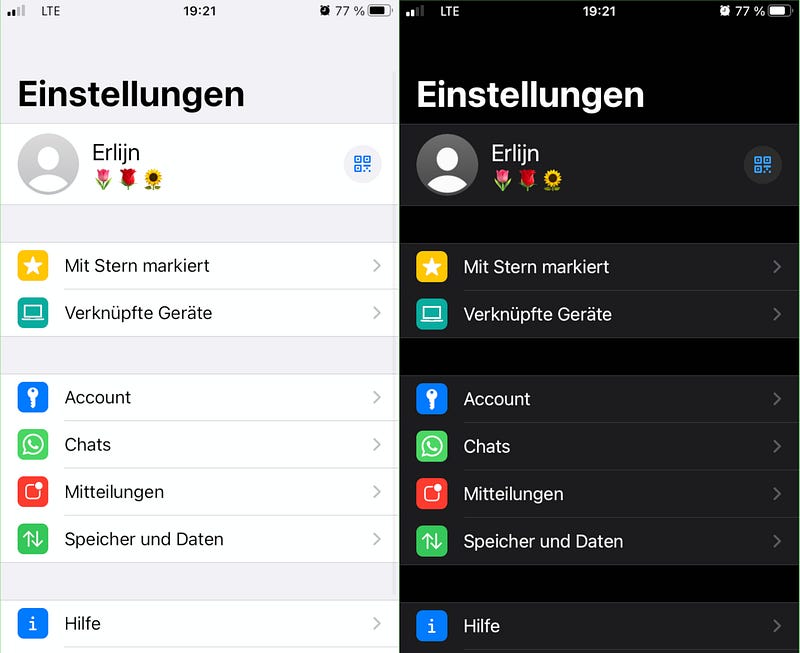
  7. Using dark screen mode at night
Light versus dark mode (idea #672 in my 365 Sustainable Decisions Challenge; © Erlijn van Genuchten)

TV

Although I don’t own a TV, I know it is an important device for many others. This is what I do when I watch TV in a hotel:

  1. Switching TV off when no one is watching or listening
  2. Listening to the radio instead of the TV when I don’t watch

Fridge

The most important device in my kitchen is my fridge. It uses less energy when I make sure that warm air is kept out, and cool air in. This is how I do so:

  1. Letting food cool down outside of the fridge
  2. Filling vegetable tray outside of the fridge
  3. Putting products back in the fridge as soon as possible
  4. Cleaning shelves from the fridge in the sink to keep the fridge closed
  5. Cooling beer in stream instead of the fridge
  6. Turning down fridge when leaving for more than a week
  7. Closing fridge when not putting something in or out

Dishwasher

Another important device in my kitchen is the dishwasher. When I let it do its job less often or more efficiently, I save energy. This is how I do so:

  1. Using smaller glasses to use less space in the dishwasher
  2. Reusing breakfast utensils instead of fresh ones each time
  3. Sharing glass with a partner to reduce dishes in the dishwasher
  4. Reusing cups during the day to reduce washing-up
  5. Using the smallest container possible to save space in the dishwasher
  6. Letting dishes dry naturally instead of using a dishwasher dryer
  7. Using the energy-saving setting of the dishwasher
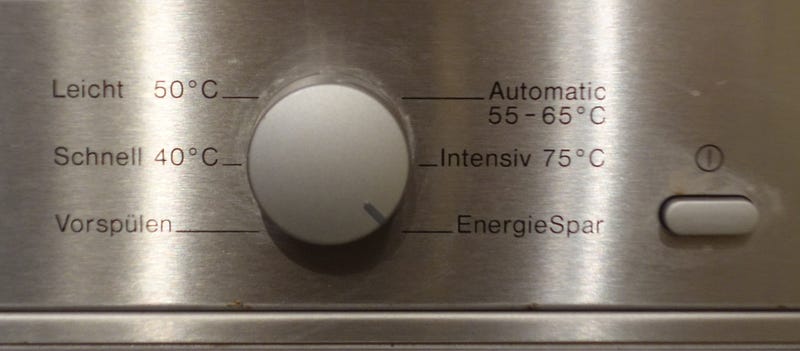
The energy-saving setting of my dishwasher (idea #673 in my 365 Sustainable Decisions Challenge; © Erlijn van Genuchten)

Oven

Another device I use is the oven, usually to make pizza. I save electricity by using the heat as efficiently as possible. This is how I do this:

  1. Putting pizza in oven without preheating
  2. Letting leftover warmth from oven heat kitchen (in winter)
  3. Using remaining heat from the oven by turning the oven off a few minutes earlier
  4. Keeping leftover pizza warm in oven after lunch for dinner instead of heating up again
  5. Using smaller oven for smaller meal (as I have a small and larger oven)

Cooker

As eating healthily is important for me, I cook every day. Just like the oven, I can also use my cooker as efficiently as possible. This is how I do so:

  1. Using the same pan to cook two parts of the same meal
  2. Cooking for several days at once instead of separately
  3. Boiling pasta in thermos flask instead of pan
  4. Eating unprocessed instead of processed food to avoid cooking
  5. Making sure I don’t burn my food
  6. Making sure pan is completely on the cooker
  7. Using lid so that heat remains in the pot
  8. Turning heat down when water is boiling
  9. Boiling several eggs at once
  10. Cooking with high pressure pot
  11. Cooking potatoes in slices to reduce cooking time
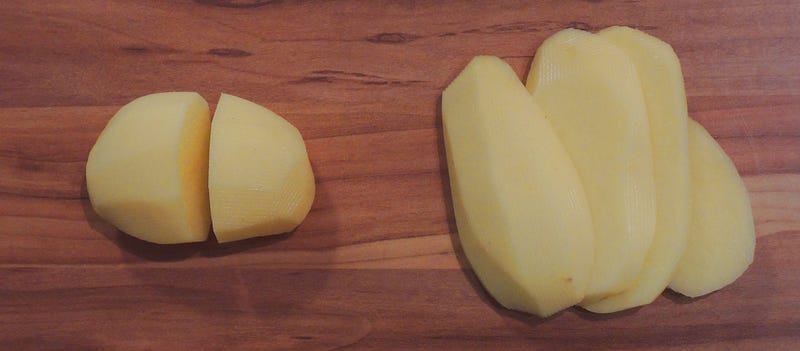
I slice my potatoes now as you can so on the right, so they have to cook shorter (idea #270 in my 365 Sustainable Decisions Challenge; © Erlijn van Genuchten)

Microwave

I prefer not to use the microwave at all. When I do, I want to use it as short as possible:

  1. Heating up as short as possible so that it doesn’t get too hot and has to cool down again
  2. Heating up in pot in which I boiled vegetables instead of microwave
  3. Eating leftovers cold instead of heating it up
  4. Leaving the middle of the plate empty to heat up food quicker in microwave

Kettle

As I love to drink tea, I use my kettle daily. This is how I boil water as efficiently as possible:

  1. Boiling right amount of water instead of too much
  2. Heating up water for tea below 100°C / 212°F
  3. Making a pot of tea for the day instead of several cups throughout the day

Washing machine and drier

Washing machines and especially driers use a lot of electricity. This is how I reduce this as much as possible:

  1. Filling washing machine instead of leaving it half empty
  2. Reducing temperature and washing time
  3. Wearing t-shirts multiple times to reduce washing
  4. Cleaning carpets in snow
  5. Drying clothes on a laundry rack instead of using drier
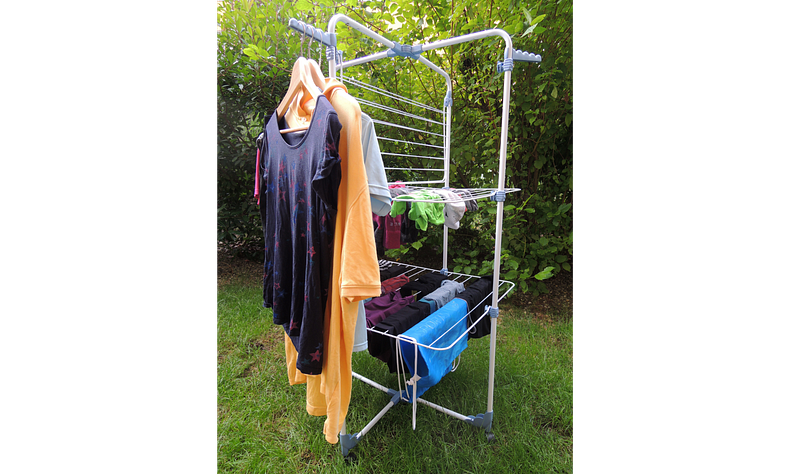
Here, I’m drying my clothes on a laundry rack (idea #15 in my 365 Sustainable Decisions Challenge; © Erlijn van Genuchten)

Heating and air-conditioning

Heating and cooling in my house is another great way to reduce energy usage. This is how I do so:

  1. Letting air out of heater so that it heats more efficiently
  2. Closing door to keep heat in the room
  3. Using extra blanket instead of turning heating on at night
  4. Switching off heating whilst airing the room
  5. Using tea cozy instead of keeping tea warm with tea light
  6. Opening window completely for a short time instead of a little for a long time when airing room
  7. Leaving heat lamps off during showering
  8. Using hot water bottle to warm up instead of showering
  9. Wearing warm pullover instead of turning heating on
  10. Using smart thermostat to control heating
  11. Insulating tubes to hot water reservoir to keep water hot
  12. Closing shutters to keep heat in (winter) or out (summer)
  13. Wearing wet t-shirt to cool down instead of using fan
  14. Opening window instead of using air conditioning
  15. Opening window instead of using ventilation for fresh air
  16. Sticking alufoil behind radiator to reflect heat and save energy
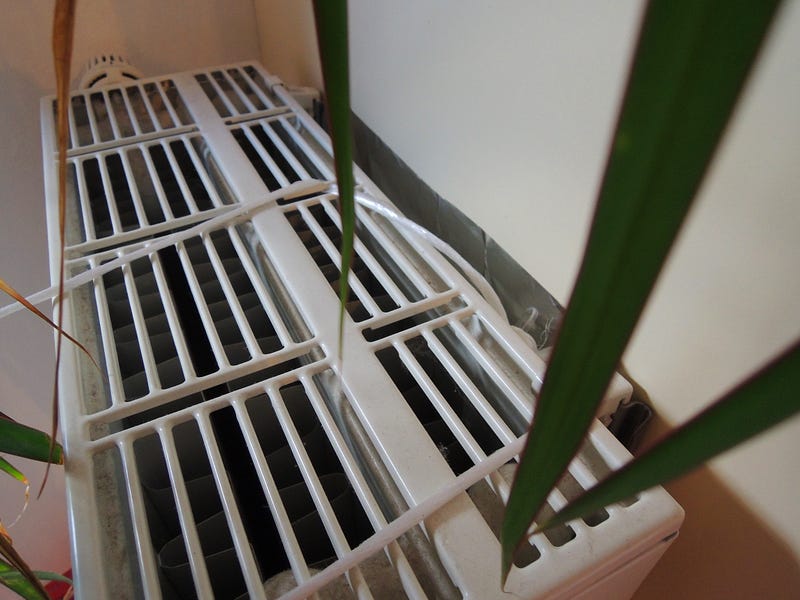
Here you can see that put aluminum foil behind my heating (idea #325 in my 365 Sustainable Decisions Challenge; © Erlijn van Genuchten)

Lights

As I’m always working from home, I use lights most of the day. This is how I reduce their electricity usage as much as possible:

  1. Switching off light when there is daylight
  2. Using LED-lights instead of for example halogen lights
  3. Switching off lights when leaving room
  4. Turning 90 degrees on sofa to be able to use sunlight for reading instead of electrical light
  5. Using motion sensor to turn light on and off automatically
  6. Switching off lights that were left on when leaving the room last
  7. Labeling light switches so see when light outside is off
  8. Riding bike with dynamo instead of lamp with batteries
  9. Cleaning stairwell during the day using daylight

Car

Although I don’t own a car, I do occasionally use carsharing. I have found several ways to reduce the amount of electricity (or petrol) I need. This is how:

  1. Switching off engine at standstill
  2. Walking home instead of using taxi or being picked up
  3. Driving a smaller rather than larger car
  4. Accelerating slowly when driving off
  5. Increasing air pressure to reduce friction
  6. Taking as little stuff in car as possible
  7. Taking foot from accelerator pedal instead of breaking
  8. Driving at constant speed
  9. Using public transport instead of using car
  10. Reducing speed on motorway
  11. Shopping by bike instead of by car
  12. Traveling to work by (e-)bike instead of car

Shower and tap

Although the shower and the tap are not really devices, I have found many ways to reduce the amount of hot water I need, which also reduced expenses. This is how:

  1. Having shower instead of taking bath
  2. Turning off shower when soaping my hair
  3. Having cold(er) shower
  4. Not fully opening tap whilst showering
  5. Washing hands with cold water

Other devices

And finally, some things I do for other devices:

  1. Boiler: Switching off boiler when no hot water is needed
  2. Coffee machine: Switching off coffee machine when coffee is finished
  3. Escalator: Walking up and down stairs instead of using escalator
  4. Hairdryer: Letting hair dry naturally instead of using hairdryer
  5. Iron: Only ironing what really needs ironing
  6. Lawnmower: Using manual lawnmower instead of electric one
  7. Leaf blower: Raking leaves instead of blowing them away
  8. Shredder: Shredding as few pages as possible
  9. Toaster: Defrosting bread on heating or naturally instead of using toaster
  10. Vacuum-cleaner: Using broom instead of vacuum-cleaner
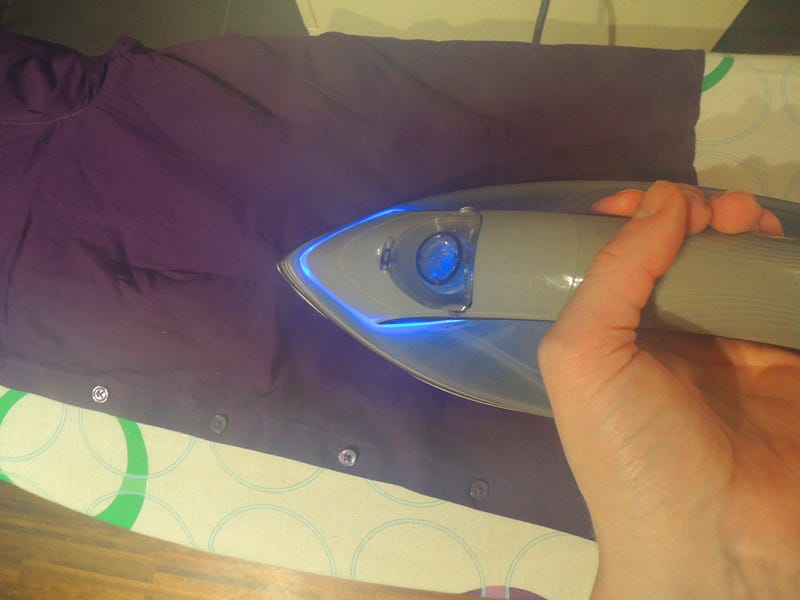
I only iron what really needs ironing (idea #252 in my 365 Sustainable Decisions Challenge; © Erlijn van Genuchten)
Energy Efficiency
Cost Reduction
Current Affairs
Climate Change
Environment
Recommended from ReadMedium