avatar🥰Lanu Pitan🥰

Free AI web copilot to create summaries, insights and extended knowledge, download it at here

3969

Abstract

lors, and no axes by default, streamlining the process of plotting vector data. If needed, you can easily customize the appearance using gspatial_plot, Geopandas, or Matplotlib parameters.</p><div id="7f83"><pre>gsp<span class="hljs-selector-class">.shapeplot</span>(usa, figsize=(<span class="hljs-number">15</span>, <span class="hljs-number">15</span>))</pre></div><figure id="5a4f"><img src="https://cdn-images-1.readmedium.com/v2/resize:fit:800/1*hgepISp4blKLRyoMFCcqAg.png"><figcaption></figcaption></figure><p id="970d">You also have the option to adjust the parameters according to your needs. For instance, let’s incorporate a title into the visualization:</p><div id="b7f0"><pre>gsp.shapeplot( usa, title=<span class="hljs-string">"USA MAP"</span>, title_kwds={<span class="hljs-string">"fontsize"</span>: 25, <span class="hljs-string">"fontname"</span>: <span class="hljs-string">"sans-serif"</span>, <span class="hljs-string">"fontweight"</span>: 3}, )</pre></div><figure id="4438"><img src="https://cdn-images-1.readmedium.com/v2/resize:fit:800/1*mIWUUXOP3u1uiZXQs_N2Lg.png"><figcaption></figcaption></figure><p id="1dc8"><b>Here’s the explanation of the shapeplot function’s parameters:</b></p><p id="7d22">• data (GeoDataFrame): GeoDataFrame used as the data source for the map. • title (str): Title displayed on the map. Default is None. • title_kwds (dict): Keyword arguments for configuring title appearance using matplotlib.pyplot.title. Default is an empty dictionary. • figsize (tuple): Dimensions of the figure. Default is (15, 15). • facecolor (str): Background color of the figure. Default is “white”. • edgecolor (str): Color of the map’s edges. Default is “black”. • linewidth (float): Line width for shapes. Default is 0.5. • color (str): Color of the shape. Default is “#F1F3F4”. • annot (bool): Toggle annotations on/off. Default is False. • annot_column (str/GeoDataFrame column): Source column for annotations. Default is None. • annot_align (str): Text alignment for annotations. Default is “center”. • annot_kwds (dict): Keyword arguments for customizing annotations. Default is an empty dictionary. • ax (matplotlib axis): Existing axis for plotting, if needed. Default is None. • axis_on (bool): Toggle axis visibility. Default is False. • **geopandas_plot_kwds: Additional keyword arguments for Geopandas plot customization.</p><p id="5a62">Returns: Matplotlib axis object (ax) representing the map.</p><p id="39a4">This function enables straightforward GeoDataFrame shape plotting with customizable options for appearance and annotations, while allowing flexibility in using existing axes for plotting. The function returns a matplotlib axis object representing the generated map.</p><h1 id="7308">pointplot</h1><p id="e010">Point plot is designed specifically for visualizing point data. A key distinction between point plot and shapeplot lies in the ability to utilize a base vector layer of shapes. This base layer allows points to be plotted on top, enabling a layered representation.</p><div id="62be"><pre>usa_points = usa.representative_point() gsp.pointplot(usa_points, <span class="hljs-keyword">base</span>=usa)</pre></div><figure id="e5d7"><img src="https://cdn-images-1.readmedium.com/v2/resize:fit:800/1*ZOiYi_T2DL9CU9Kx7-KpGA.png"><figcaption></figcaption></figure><p id="6b86">Alternatively, you have the option to plot the polygons themselves instead of just their boundaries in the base layer.</p><div id="aac0"><pre>gsp.pointplot(usa_points, <span class="hljs-keyword">base</span>=usa, base_boundary=False)</pre></div><figure id="3412"><img src="https://cdn-images-1.readmedium.com/v2/resize:fit:800/1*_Sz_IGkazfobhvTpV3Y8Ag.png"><figcaption></figcaption></figure><p id="8f2e">Points can be plotted independently, without the need for a base layer.</p><div id="30aa"><pre>gsp<span class="hljs-selector-class">.pointplot</span>(usa_points)</pre></div><figure id="d8ed"><img src="https://cdn

Options

-images-1.readmedium.com/v2/resize:fit:800/1*zFOL9eUsmS-5S67MeufNcQ.png"><figcaption></figcaption></figure><p id="5c42">Matplotlib axis objects offer the ability to merge and combine multiple plots.</p><div id="4753"><pre>ax = gsp.shapeplot(usa, figsize=(<span class="hljs-number">15</span>, <span class="hljs-number">15</span>)) gsp.pointplot(usa_points, ax=ax)</pre></div><figure id="f05f"><img src="https://cdn-images-1.readmedium.com/v2/resize:fit:800/1*_Sz_IGkazfobhvTpV3Y8Ag.png"><figcaption></figcaption></figure><p id="b9e0">It’s also possible to tailor the appearance of the base layer according to your preferences.</p><div id="3dfa"><pre>gsp.pointplot( usa_points, base=usa, basecolor=<span class="hljs-string">"#7aebff"</span>, base_boundary=<span class="hljs-literal">False</span>, title=<span class="hljs-string">"USA Points"</span>, title_kwds={<span class="hljs-string">"fontsize"</span>: <span class="hljs-number">25</span>, <span class="hljs-string">"fontname"</span>: <span class="hljs-string">"sans-serif"</span>, <span class="hljs-string">"fontweight"</span>: <span class="hljs-number">3</span>}, )</pre></div><figure id="ce5a"><img src="https://cdn-images-1.readmedium.com/v2/resize:fit:800/1*AiPv5roDBIrvCc92oIvZ4g.png"><figcaption></figcaption></figure><p id="3d19"><b>Here’s the breakdown of the pointplot function’s parameters:</b></p><p id="a875">• data (GeoDataFrame): The GeoDataFrame used for plotting the map. • base (GeoDataFrame): Base GeoDataFrame on top of which the data will be plotted. Defaults to None. • title (str): Title of the map. Defaults to None. • title_kwds (dict): Keyword arguments for configuring the appearance of the title using matplotlib.pyplot.title. Defaults to an empty dictionary. • figsize (tuple): Size of the figure. Defaults to (15, 15). • color (str): Color of the point. Defaults to “#ffb536”. • edgecolor (str): Color of the map’s edges. Defaults to “black”. • basecolor (str): Color of the base data. Defaults to “#F1F3F4”. • baseboundarycolor (str): Boundary color of the base data. Defaults to “black”. • base_boundary (bool): Toggle visibility of base data boundaries. Defaults to True. • boundary_linewidth (float): Linewidth of the base data boundaries. Defaults to 0.5. • linewidth (float): Width of lines for shapes. Defaults to 0.5. • annot (bool): If True, annotations are generated. Defaults to False. • annot_column (str/GeoDataFrame column): If annot is True, column should be passed as the source for annotation. Defaults to None. • annot_align (str): Text alignment for annotations. Defaults to “center”. • annot_kwds (dict): Keyword arguments for annotation customization. Defaults to an empty dictionary. • ax (matplotlib axis): Existing axis for plotting. Defaults to None. • axis_on (bool): Toggle axis visibility. Defaults to False. • facecolor (str): Figure’s face color. Defaults to “white”. • **geopandas_plot_kwds: Additional Geopandas plot keyword arguments.</p><p id="fd44">Returns: Matplotlib axis object (ax).</p><h1 id="44de">Tips for Polished Maps</h1><p id="46bb"><b>Harmonious Color Choices:</b> Experiment with color palettes to create maps that are visually pleasing and easy to understand. Choose colors that enhance the readability of your map.</p><p id="6be4"><b>Precise Annotations:</b> Annotations provide context to your maps. Customize annotation alignment and appearance to guide viewers through your spatial narrative seamlessly.</p><p id="b235"><b>Seamless Matplotlib Integration:</b> Leverage the integration with Matplotlib to fine-tune your maps’ aesthetics, titles, and labels for a polished final product.</p><h1 id="071e">Conclusion</h1><p id="3df6">In this tutorial, we’ve covered the essentials of crafting geospatial maps using the gspatial_plot library. With gspatial_plot, the process of geospatial mapping becomes more manageable and easy. See you in the next tutorial— happy mapping!</p></article></body>

How To Reduce Advanced Glycation End Products (AGEs)

AGEs (sometimes called mycotoxins) are harmful to the body and are associated with increased cardiovascular diseases, inflammation and diabetes incidences.
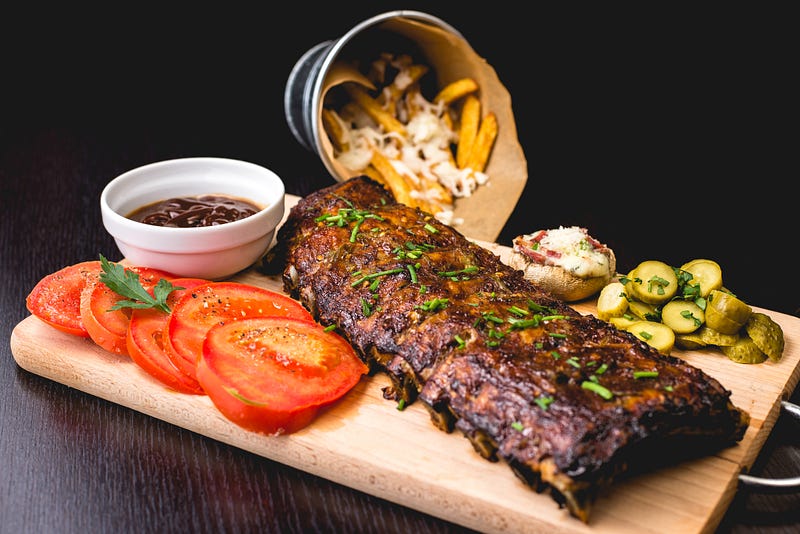
Photo by Alexandru-Bogdan Ghita on Unsplash

What Is Advanced Glycation End Products (AGEs)?

Advanced Glycation End Products (AGEs) are organic molecules formed when some protein (especially from meat or meat products) that have been cooked in very high temperatures,(over 300 degrees) combined with sugar or fat in the bloodstream. The process is known as glycation, and it can result in oxidant stress and dysfunction in cells.

AGEs can also form in some other foods that are grilled, fried, baked or toasted. I have heard some jibes about toast bread not being good, but I really do not pay serious attention to it.

A recent study shows that when certain foods are cooked at this excessively high temperature, chemical changes occur that damage our cells. This is true for all foods, fats, carbohydrates, and proteins. There is a danger in eating over-cooked foods. You can reduce the level of AGEs by cutting down on grilled, fried, broiled or microwaved foods.

What Happens When AGEs Accumulate In The Body?

Naturally, the body's defence mechanism eliminates AGEs, but when they are too much, they can find a way to escape into some vital body tissues causing oxidative stress (an imbalance between antioxidant and free radicals) and inflammation.

AGEs accumulate progressively, in the skin, cornea, collagen, brain, nervous system, arteries, joints and other vital organs. They are resistant to normal protein metabolism. However, in some cases, the muscle cells and neurons are capable of blocking their pathway

The study paper on Molecular and Transitional Medicine reported that AGEs are the main cause of many degenerative diseases, among others are diabetes, cardiovascular illness, Alzheimer's, atherosclerosis and chronic kidney failure. It also accelerates cellular ageing.

It was also discovered that people with a higher level of AGEs also are at risk of high blood sugar. The effect of AGEs is easily noticed on the skin as the skin loses its suppleness, firmness and radiance. This is because sugar eats into elastin and collagen in the body.

Examples Of Foods That Can Result In AGEs

AGEs are usually from meat or meat products, (that are high in fat) and other foods that have undergone high-heat cooking. Other examples that were taken from normal diets of some random samples based in the USA are analysed by The American Dietician Association here:

Fats:

Almonds (Blanched & roasted), avocado, butter, chestnuts (raw & roasted), margarine, cream cheese, mayonnaise, peanut butter, olive, pumpkin seeds, soybean seeds, walnuts, etc.

Liquid fats examples are — various vegetable oils, salad creams, etc.

Carbohydrates

Bread, biscuits, cereals, pancakes, pasta, popcorn, rice, legumes, grains, coconuts, baked apples, raisins, carrots, celery, grilled vegetables etc.

Proteins

Bacon, meat, burger, corn beef hash, lamb, veal, fish, etc.

AGE’s And Osteoarthritis

The fact that some AGEs escape into the body cells, causes havoc and limits the optimal function of those cells. It has been proved that AGEs bind with some receptors to alter cellular signalling and gene expression and activate inflammatory pathways.

AGEs accumulate in joints and other skeletal tissues giving rise to mobility problems. Since the loss of bone minerals and bone mass is the main cause of bone health, AGEs contribute to the malfunction of the tissue cells in the joint area.

Ways To Reduce AGEs (Dietary Intervention)

Cooking Method Matters

Research indicates that a low cooking method on a stove tends to eliminate AGEs as to cooking in dry heat (air fryers, grill, barbeque and ovens). This means in essence, steaming, stewing, poaching, and boiling are healthier ways of cooking.

This is because dry cooking generates five times more AGEs than wet stove cooking. Moreover, the steam does build up flavour making the food tastier and tender. It is also important to cook for a short period.

If you need to grill or oven-cook, then use acid-based marinades that contain, vinegar, lemons or other citrus juices. This is because the acidity removes the AGE level. The colour of browning or charring indicates that AGEs are present.

Reduce Eating Food With High AGEs

Normally, reducing eating (or eliminating) foods with the tendency of high AGEs must be the first step for anyone in this regard. Foods in these categories, as above, are:

Tips for Lowering AGE Consumption

Foods High in AGEs • Sugary items such as candy, cookies, cakes, soda, and pastries • Processed foods, including packaged meats and cheese • High-fat (especially red) meats • Fats, including butter, margarine, and oil • Fried foods

Foods Low in AGEs • Fruits and vegetables • Seafood • Whole grains • Low-fat bread • Pasta • Vegetarian burgers

Cooking Methods • Use a slow cooker • Cook foods in water by boiling, steaming, or poaching • Marinate foods in acidic or citrus-based sauces

Healthful Lifestyle Changes • Get the recommended seven to nine hours of sleep per night • Exercise 150 minutes per week • Treat preexisting conditions such as obesity and high blood pressure

Source: AGE Foundation

Eat More Natural Foods

This is to ensure you eat foods in their natural state, if possible. Most edible natural foods are fruits, nuts, herbs and vegetables, legumes, and grains. This is because these foods in their natural state contain phenolic acids which may inhibit the formation of AGEs. Typical fruits are pomegranates and berries. ECGC from green tea is also found to be effective.

Natural fruits and vegetables are also high in antioxidants and phytonutrients that help fight off free radicals. These free radicals are easy receptors the certain proteins that cause the formation of AGEs.

Reduce Sugar Consumption

Refined sugar and sugar products are the major cause of the high blood sugar level in the blood. So, therefore, the elimination of refined sugar foods in your diet will go a long way to ensure your blood sugar level is normal, and no free one to form a receptor to glycation. Sugar alternatives are also not ideal.

Reducing blood sugar levels involves living an active life of regular exercise. Drinking adequate water also helps flush out toxins and excess sugar in the system before they get to the blood. The body needs to be kept hydrated.

Ensure Adequate Sleep.

This might have nothing to do with food, but it is during sleep that the body repair system goes to work. Your cell renewal and repair can take place, thus supporting the body to eliminate AGEs. Seven to nine hours of sleep is ideal.

In conclusion, we are what we eat. It is important to take care of what we eat for overall optimum nutrition.

Food
Food Preparation Tips
Wellness
Lifestyle
Health
Recommended from ReadMedium