
How to Recognize White Supremacy, and Why It Is So Hard to Help White Friends Face It
Is It Important to Call In Rather Than Call Out When Working for Change?

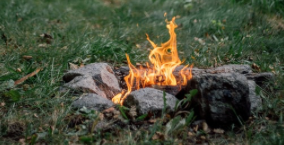
An old friend came by for a backyard fire last week — actually an ex-lover. We sorted out how the distance between us will work after the now customary an air hug, and because he’s super chill, we fell right back into comfortable chatter about our jobs, our homes, our kids, despite years apart.
So, I start the fire while he pours the wine he brought. Job updates come with whining from both of us. Home updates are a mixed bag, as they always need fixing but hold lots of promise in the real estate market. To my dread, the bubble of liberalism around us becomes another guest. This guest points out that neither of us worries that walking out the door might mean losing our lives because of our skin color. This quest is silent but present.
With the fire burning and the first glass of wine almost down, I hear my friend’s voice warm-up with that parenting pride, you know the kind, right? Its warmth pours out as he speaks of his recent college graduate daughter, who he says is very committed to social justice work. He doesn’t mention any organizations she volunteers with, and I don’t ask because I know that even if she is doing radical activism, he likely wouldn’t know about it.
“Her passion inspires me, you know, but I’m not sure what to do really, beyond reading and learning the people’s history,” he says, and I nod and wait. “Especially when so many black people are speaking up against some of the radical actions and demands.” Oh no, not this again, I think, remembering we have recently fallen into a disagreement on FB about SROs.
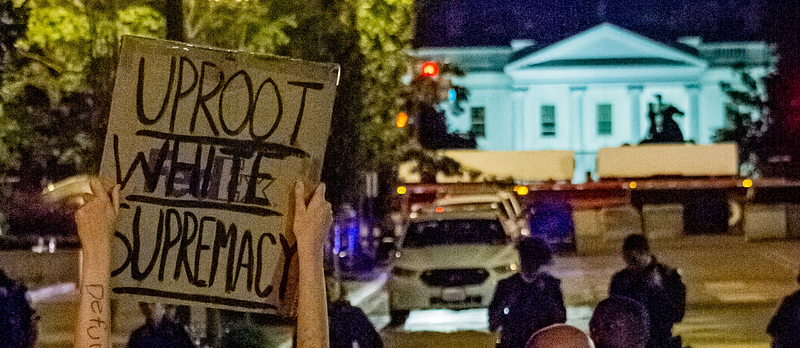
Here it is, the subconscious white supremacy we live in rearing up, like another guest. My friend has no idea that what he’s saying has its roots in white supremacy: he’s discomforted and blames others for his discomfort.
I’m glad I’ve said nothing so far because I know from past attempts to offer new perspectives around what it means to be white in America that I only have one chance. I can only say one thing, one time before he, like most people, will shut down. I move slowly. I have been perceived as a liberal because my convictions and actions aren’t leftist enough, yet I know my friend will think of me as radicalized if I share all that I know.
He said he’s been reading, so I imagine he’s at least considered the concept and consequences of white supremacy in America. What has he been reading? I know this phrase triggers white fragility instantly. I know most people shut down at the mention. I’ll tread lightly, acknowledge the discomfort he shared, and make one push in the same direction. Challenge the right to comfort characteristic of white supremacy. I push my wine glass forward, asking wordlessly for a refill.
“You’ve been reading and you found conflicting information. I feel your hesitation on what to do next. We know that doing nothing means we are part of the problem, so my question is, what are you willing to risk, to part of the change?” I’ve asked myself this since 2014, and my answer has changed to match my changing awareness and capacity to risk bursting my safe bubble. “By reading and sitting with conflicting information you’re risking your intellectual and emotional comfort, which is a first step in being part of the change. What else can you do?”
He shifts his body, avoids my eyes.“I’ve been working in public schools my whole life, isn’t that enough?” Aha, he is willing to risk his sense of righteousness. He is a sensitive man, kind and supportive. I am blunt. Intimidating. Or so some say. I try to stay contained.
“I remember your FB post about school resource officers, and I remember my response, that from your position of power your feelings about SRO’s don’t align with the lived experiences of people that interact with them and have no power. Like your students. They have no power when compared to SROs. I know you understand the difference. To be part of the change you’d have to accept that when you find yourself in a position of power, it is your responsibility to empathize and uplift and center the lived experiences of people that don’t have the same power you do. If not, you’re power hoarding.”
Damn. I promised myself to go easy, and here I am, pointing to another white supremacy characteristic. The first silent guest gets more substantial, and the second guest deflates as I push against my liberal limits.
“Anyway, we don’t have to solve this today, but if you want to talk more, we can. Otherwise, would you tell me about your last hiking trip?”
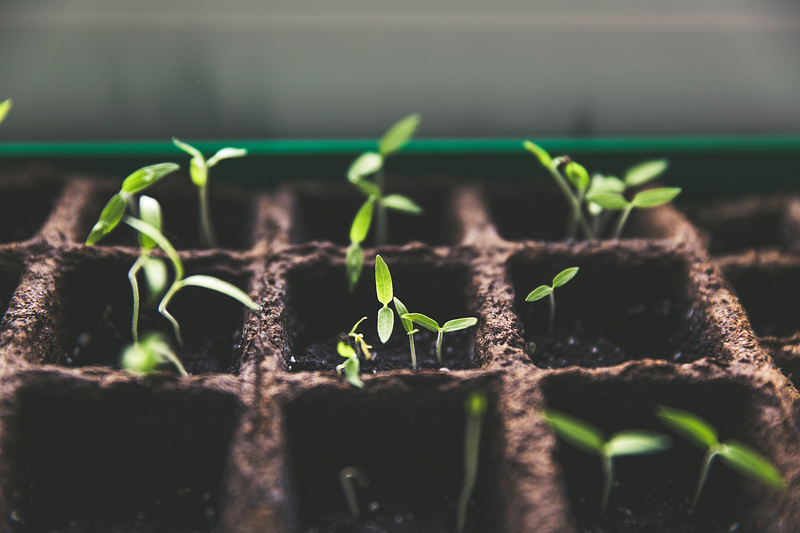
He starts to smile, and I half-listen to his hiking stories. Inside I visualize sprinkling dirt over the seed of change I hope I just sawed. I see a watering can tilting and gentle streams of water helping it settle in. I visualize no adverse conditions such as frost, and I see roots sprouting, and I promise myself to water again soon. I see my friend is telling his story to the fire, and after I pour us the last drops from the bottle, I raise my glass. He meets my eyes.
“To change.”


