
How to Recognize and Prevent Immigration Bias in Your School
By Alina Popatia and Dr. Benjamin Drury
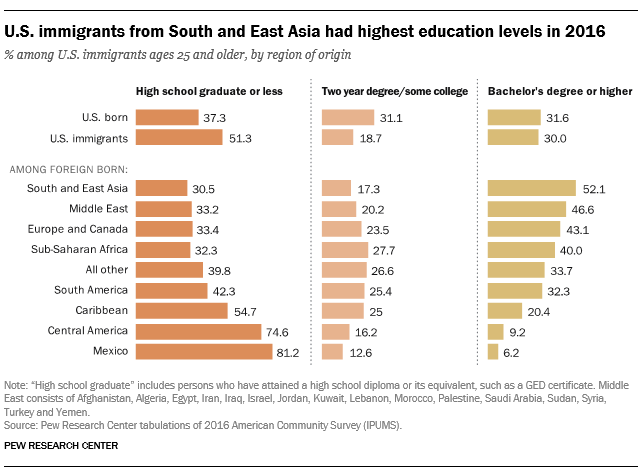
Hiding a student’s race or culture is a product of preexisting biases within society. The biases suggest that students of different races or cultures are specifically inclined towards a certain future. This notion has been present in America since its inception as a developing nation, where immigrants specifically were seen solely as members of the workforce. Unfortunately, this ideology has not changed, and new teachers are often instructed to “produce” the “workers” our nation needs, forcing their attention away from developing a student’s identity and instead, creating a factory that produces the next generation of the working class. Urban schools with more diverse student bodies are particularly susceptible to these practices. As a result, students from marginalized communities face obstacles that limit their educational and professional opportunities.
Immigration biases within society have excluded students from higher education, as their race and ethnicity are used against them to hide their identity and predetermine their course of success. The problem with these biases is that they assume that students from certain backgrounds are less capable of succeeding academically or professionally than their peers from different backgrounds. This is not only untrue but also incredibly damaging. These biases have a significant impact on student outcomes and limit their potential. Not only does race/cultural identity affect the educational opportunity of an individual, but gender identity does as well. People have been fighting for equal rights for all genders, including the opportunity to equal education, for as long as race has been a prevalent issue in society. The effects of harboring gender-based biases are like those produced by race-based biases, but they are exclusionary based on biological identity.
In many ways, these biases have created a self-fulfilling prophecy. When a student is told that they are less capable or have fewer opportunities because of their race or gender, they may begin to believe it themselves. They may internalize these biases and stop striving for excellence, believing that it is futile. This can lead to lower grades, lower test scores, and a lack of motivation to pursue higher education or professional goals. Immigration biases stem from racial stereotypes which are intended to limit the diversity of perspectives and experiences in American society, which is problematic for progress. If we exclude individuals from certain backgrounds from the educational and professional opportunities they deserve, we are depriving ourselves of the unique perspectives and experiences that they bring to the table. Diversity of thought and community is essential for progress and innovation in any field, and if we limit it, we are limiting ourselves as a society.
There are a few methods to combat these biases that we have found particularly effective. One way is to raise awareness of racial biases among all members of the academic community and actively work to overcome them. Teachers and school administrators can make a conscious effort to recognize and challenge their own biases, creating a more inclusive and supportive learning environment for all students. This includes celebrating and valuing diversity in all its forms, including race, ethnicity, gender, and sexuality. Students from diverse backgrounds should be encouraged to explore their identities and cultures in the classroom and be given the opportunity to learn about others’ identities and cultures as well. Another way to combat these biases is to provide students with resources and support systems that help them overcome obstacles related to their race, ethnicity, or gender. This can include mentorship programs, tutoring, and scholarships specifically designed for students from underrepresented communities. By providing these resources, we can level the playing field and give all students an equal opportunity to succeed.
Biases of any kind limit student outcomes and are problematic for the progress of American society in general. We must be aware of these biases and actively work to overcome them by celebrating diversity and providing resources and support systems for students from underrepresented communities. By doing so, we can create a more inclusive and supportive learning environment that values and uplifts all students, regardless of their background.