
How to Read to Reflect and Think to Write
Reading with purpose nurtures the writer’s mind

Within the wide expanse of literature, the interdependent connection between reading and writing is an undeniable reality.
Avid readers often become influential writers, and this connection is not a coincidence. Reading serves as the lifeblood that nourishes the cognitive domain, providing the essential nutrients for the blossoming of original thoughts and eloquent expressions.
Pondering the significance of this dynamic process, I aim to share insights on reading with intention, fostering reflection and cultivating the ability to write with depth and resonance.
In a rush? Get a concise 144-word summary right here.
The mind as a fertile garden

Think of the mind as a fertile patch of land, where books are the seeds that bring forth a bountiful harvest.
Reading is the act of watering and nurturing these seeds, allowing them to germinate and grow into vibrant, diverse foliage.
However, this process demands active participation.
To read with the purpose of reflection and thinking, one must actively immerse themselves in the text, seeking deeper meaning.
Approach reading as a conversation rather than a monologue

The first step in this journey is to approach reading as a conversation rather than a monologue.
Just as a stimulating conversation involves active listening, reading thoughtfully requires active engagement.
Allow your mind to engage in a lively conversation with the author as you navigate through the pages of a book.
Pose questions, challenge assumptions, and seek connections between the text and your own experiences.
Through a dialogical approach, reading evolves into a lively interchange of thoughts, blending the author’s ideas with your own reflections to generate novel viewpoints.
Reading is like a Literary Dance

In my experience, I often perceive this process as a rhythmic waltz.
The words on the page are the choreography, guiding the reader through intricate movements of emotion, intellect, and imagination.
As you immerse yourself in this literary dance, pay attention to the rhythm and nuances of language.
Just as a skilled dancer feels the music in their bones, a discerning reader feels the cadence and melody of words.
Developing this sensitivity to language not only deepens your appreciation of literature but also empowers you to skillfully and elegantly craft your own writing.
Consider a book as a portal to another world

Metaphors, those powerful linguistic devices that bridge the tangible and the abstract, can be invaluable tools in the reading-to-reflect-and-think process.
Imagine a book as a doorway to an alternate reality, an exploration of uncharted territories of the mind and heart.
Each chapter, a milestone in this expedition, reveals landscapes of ideas waiting to be explored.
Guided by the author, a reader — the metaphorical traveler navigates through adversity, revels in success, and acquires knowledge that can be channeled into fresh ideas for writing.
The act of reading as a sculptor shaping clay
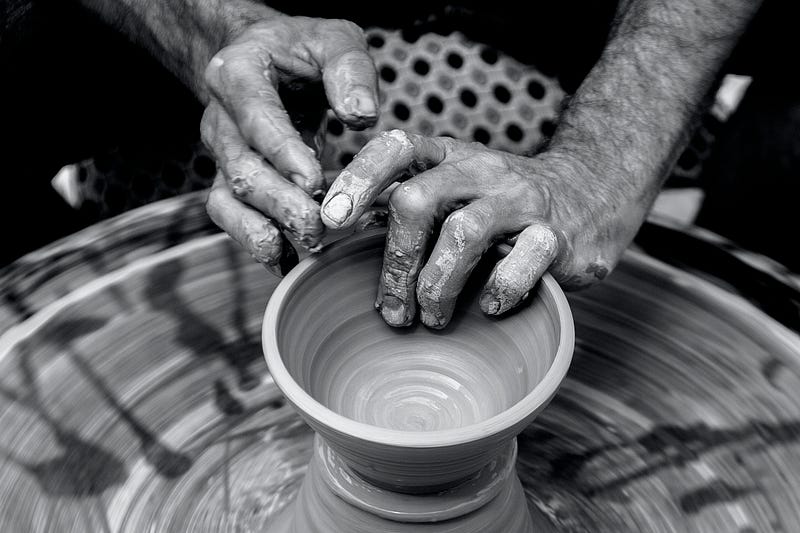
Analogies play a crucial role in this literary alchemy.
Picture the act of reading as a sculptor shaping clay. The text is the raw material, and your mind is the artisan molding it into a meaningful form. By drawing parallels between different concepts, analogies illuminate the hidden connections that lie beneath the surface of words.
Mastering this analytical skill not only broadens your understanding of the material but also polishes your ability to make insightful comparisons in your own writing.
Reading unveils layers of your intellectual and emotional self

To read with the intention of reflection and thinking is to embark on a journey of self-discovery.
The words of authors become mirrors, reflecting facets of your own consciousness.
In this reflective process, consider each book as a mirror with a unique tint, altering the way you perceive the world.
Just as looking into a mirror reveals aspects of your physical self you may not have noticed before, reading unveils layers of your intellectual and emotional self, expanding your capacity for introspection and self-awareness.
Literature has the power to stir emotions

As you explore the literary terrain, be mindful of the emotional resonance each book elicits in you.
Literature has the power to stir emotions, whether it be the gentle ripples of a poignant moment or the thunderous waves of a climactic scene.
Use this deep emotional connection as a catalyst for self-reflection.
Like an artist who draws from their emotional palette to create stirring masterpieces, a writer can enhance their work with authenticity and substance by harnessing the emotions cultivated through reading.
Panoramic view of the human story equips writers with the ability to craft narratives
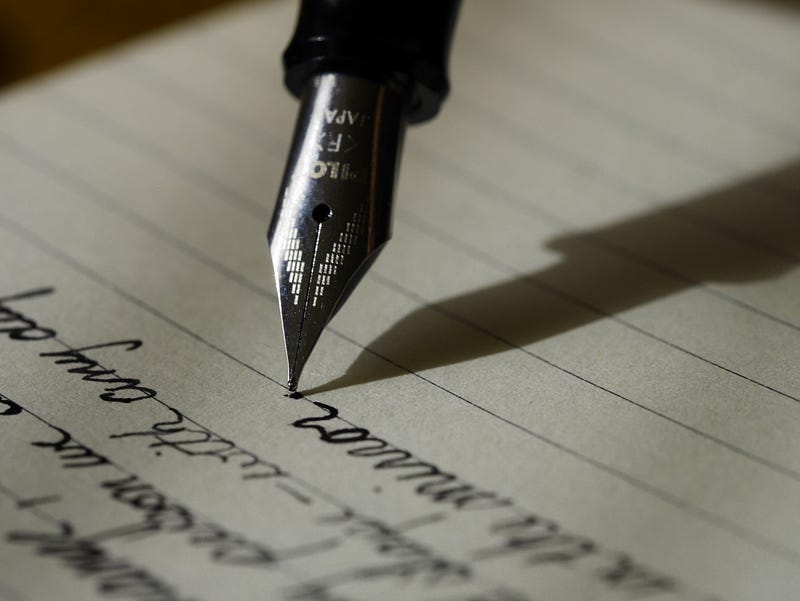
In the vast library of human experience, each book is a unique chapter, contributing to the collective narrative of our existence.
Much like a historian connecting different threads, an astute reader blends together diverse storylines from books to create a coherent narrative.
By offering a panoramic view of the human story, writers gain the power to weave narratives that connect with universal themes, regardless of time or culture.
Thoughts become like molten metal in the crucible of reflection, flowing and fusing to form the alloy of new and unique ideas.
Through reading, a writer encounters diverse influences that act as the crucible for forging their unique voice.
Embrace the eclecticism of your literary diet, for it is the fusion of varied perspectives that gives rise to the symphony of your own creative expression.
How to crack the nut

The art of reading to reflect and think demands an engaged and deliberate mindset.
Approach books as mentors, engage in a dance of words, sculpt your understanding with metaphors and analogies, and let the emotional resonance of literature deepen your self-awareness.
I encourage you to embark on this literary journey with a genuine curiosity and a willingness to explore new ideas.
Let the books you read be the seeds that blossom into the vibrant garden of your mind, and may your reflections and thoughts flourish into the eloquent prose that defines your unique, writerly voice.


