
How to Read Like a Writer
This story is behind Medium’s membership paywall, which means the writer earns through our Partner Program. To become a Medium member, click here.
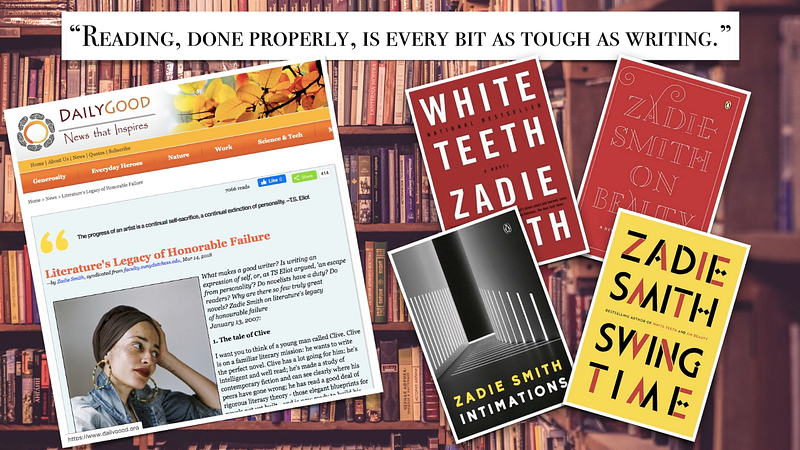
“Reading, done properly, is every bit as tough as writing.” Author Zadie Smith said this in an interview with Daily Good, and it changed my perspective on reading forever. She calls reading a skill and an art, using the vivid analogy of an “amateur musician placing her sheet music on the stand and preparing to play”:
“She must use her own, hard-won, skills to play this piece of music. The greater the skill, the greater the gift she gives the composer and the composer gives her.”
With reading, the reward is equal to the effort you put into it. After years spent expecting books to connect with me, I finally flipped the script and tried instead to find ways to connect with books. Even if I don’t enjoy a particular book, I can respect what it’s trying to achieve and learn from that perspective.
As writers, it’s wonderful to read stories that speak to our experiences, but we must also venture beyond our comfort zones. A varied and challenging reading diet will do wonders for the health of our writing, giving us new literary tools to use and perspectives to explore.
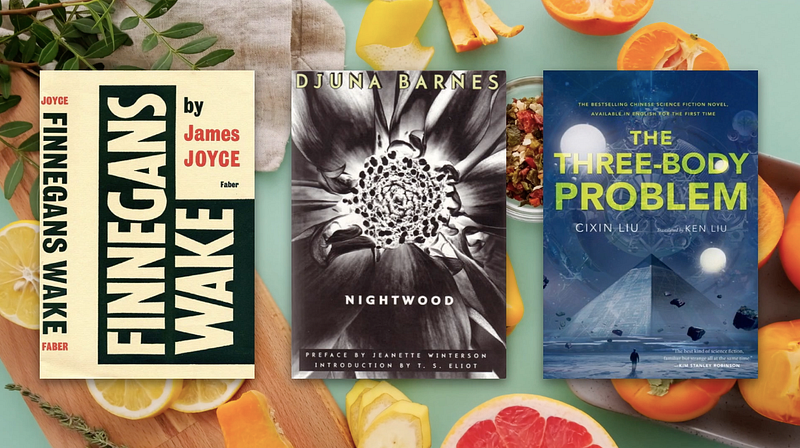
Zadie Smith gave me a good ol’ smack in the face about the importance of staying open-minded:
“Readers fail when they allow themselves to believe the old mantra that fiction is the thing you relate to and writers the amenable people you seek out when you want to have your own version of the world confirmed and reinforced. That is certainly one of the many things fiction can do, but it’s a conjurer’s trick within a far deeper magic. To become better readers and writers we have to ask of each other a little bit more.”
Reading like a writer means reading to learn, not just reading to be entertained — and you’ll find, over time, that reading to learn becomes its own form of entertainment. It’s the difference between admiring the façade of a house and examining the blueprints. Rather than simply observing and experiencing, you’re analyzing how a story was constructed, as Mike Bunn explains in his essay “How to Read Like a Writer”:
“The goal as you read like a writer is to locate what you believe are the most important writerly choices represented in the text — choices as large as the overall structure or as small as a single word used only once — to consider the effect of those choices on potential readers (including yourself).”
To uncover an author’s choices within a text, you can try out these seven strategies for “active reading” and see what works best for you.
1. Ask meaningful questions.
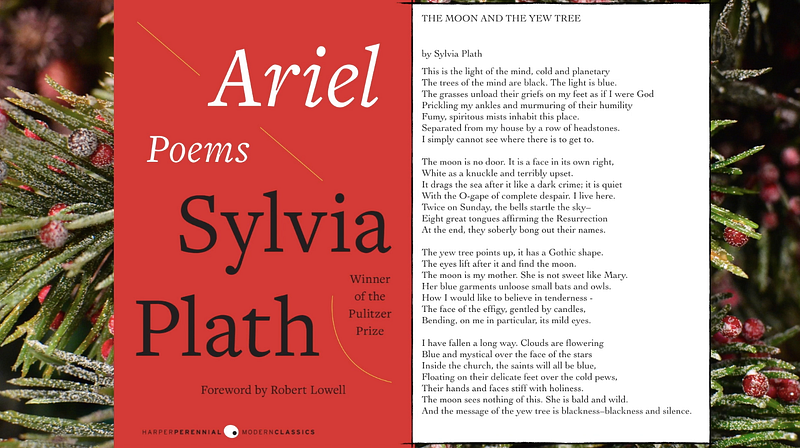
Say you’re reading Sylvia Plath’s poem “The Moon and the Yew Tree.”
You might ask yourself:
- What are my favorite lines, and how do they make me feel?
- How does Plath set the stage with her opening line?
- Since Plath says the moon is her mother, what does the tone suggest about their relationship?
- What metaphor might I use to describe my own mother?
You can write these questions down and rank them in terms of which will lead to a deeper understanding of the text or yourself. This is part of practicing your question-making skills until you’re asking better questions. It’s a skill you can revisit with each new work and genre.
Asking meaningful questions is a way of cultivating your own curiosity. Oftentimes, the more we analyze a text, the more we appreciate what the writer was trying to accomplish.
2. Articulate your opinions — and use evidence.
As a young nerd, I created a “book stick” to measure a story’s qualities. I’d write a one-sentence summary of what the book was about and what I liked and didn’t like on a broad scale. Then I’d spend a few sentences rating each metric: writing style, plot, characters, originality, intellectual value, and my personal enjoyment.

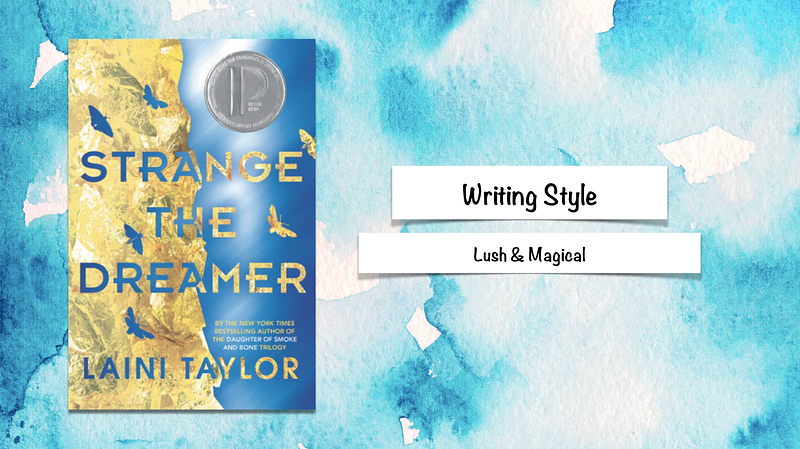
With writing style, I’d slap on an adjective like “concise” or “wordy.” Did I have to dissect each sentence to understand its meaning, and was that a good or a bad thing?
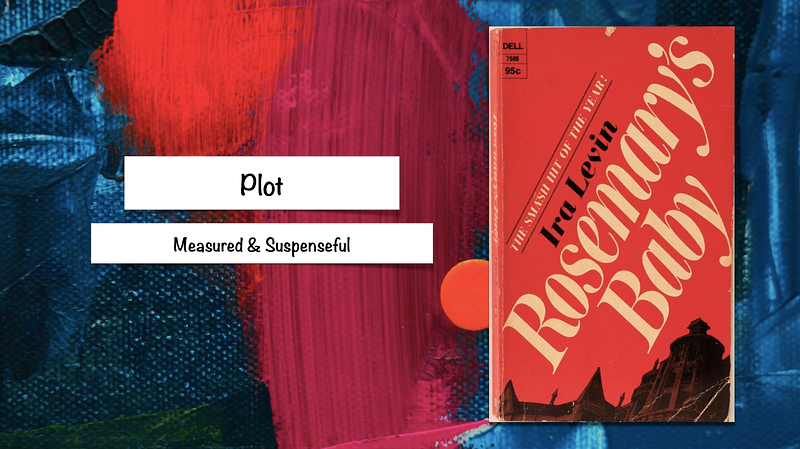
I’d do the same for the plot: slow versus fast paced, boring versus riveting.
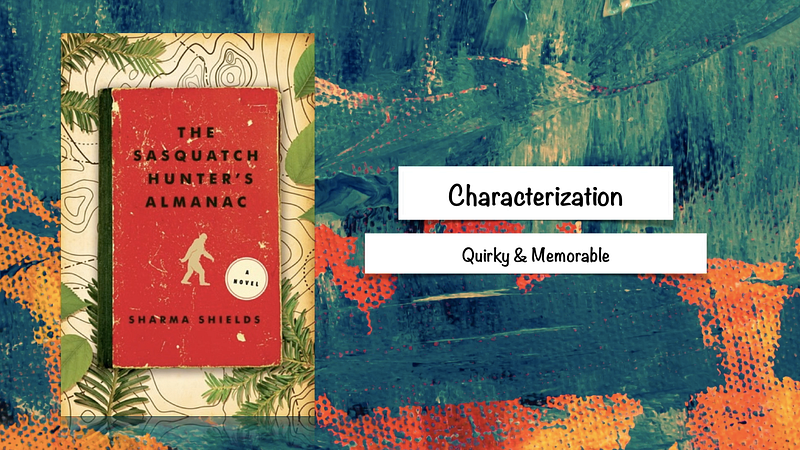
I’d question how attached I felt to the characters and if they felt three-dimensional, real, dynamic. Or, if the author intended for them to be caricatures, what effect that had on my reading experience.
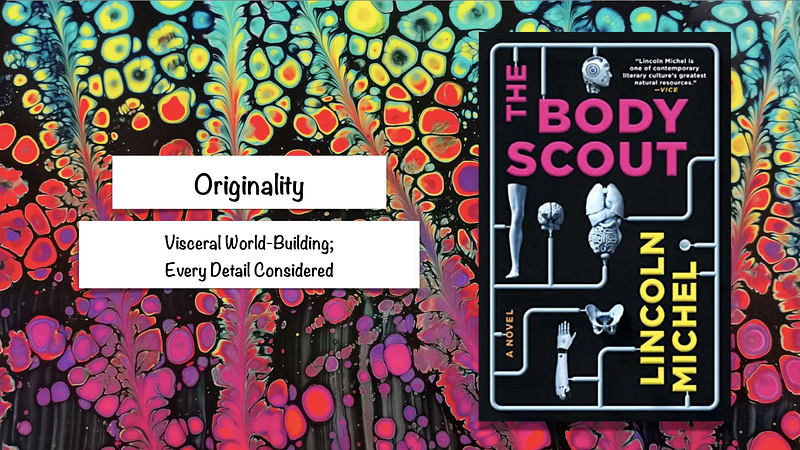
For originality, I’d consider how predictable the plot and dialogue were, or if the world-building felt too unbelievable. I’d spotlight elements I hadn’t encountered in other stories before.
Intellectual value involved one simple question: “Does it stimulate thought?” That depends more on me than on the book itself, and not all books need to be insightful.
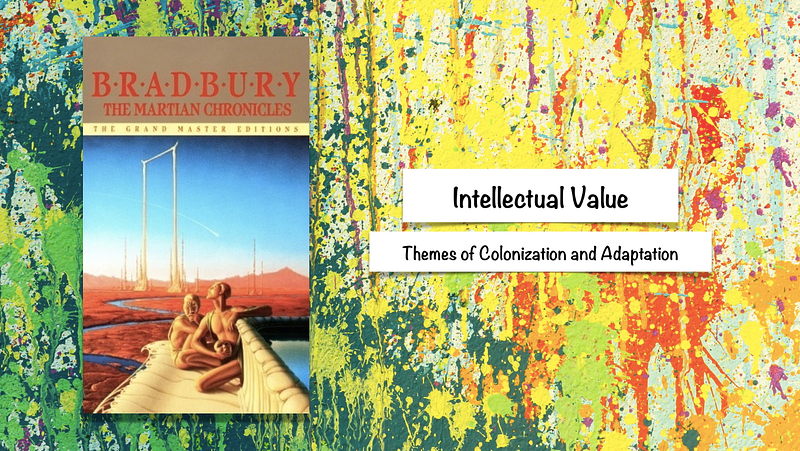
But even if I despised everything else about a book, if it made me reflect more deeply on myself or the world around me, there’s value in that. You can respect a book without liking it.
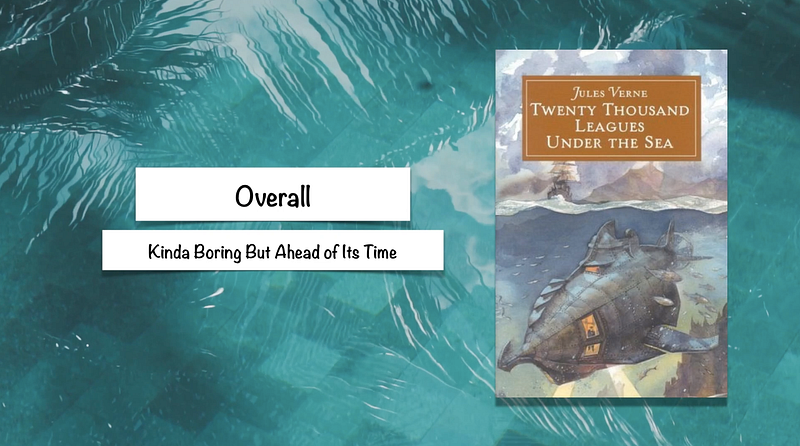
Then I’d dig into my personal enjoyment: Did I not want to put the book down? Would I read it again? How did I feel after I finished it? Satisfied, relieved, unsettled?
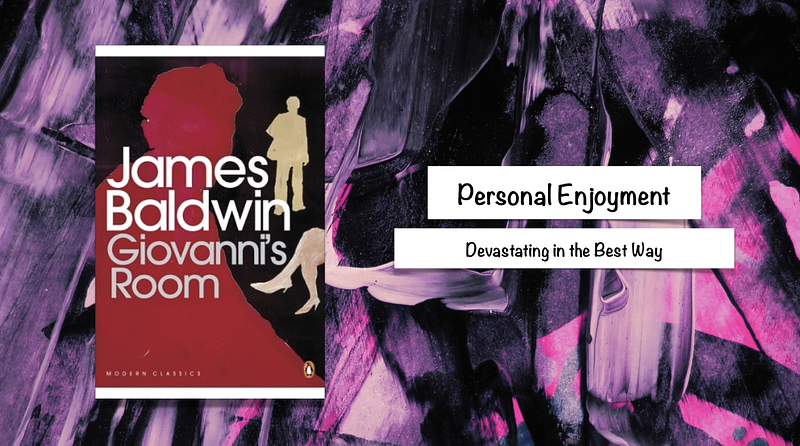
Finally, I’d throw in a quote or two from the book to support my gut reactions. Writing down your opinions forces you to go beyond a simple “thumbs up” or “thumbs down” metric and dig into how the book made you feel a certain way.
You can apply this approach in book clubs as well. Hearing other perspectives on a book can reveal layers you might not have noticed on your own. If I give a book one star or five stars, I often read book reviews with the opposite rating. Understanding the opinions we disagree with can provide a fuller picture of the story and what the author was trying to achieve.
3. Annotate or keep a reading log.
Annotation is a way of directly interacting with the text while you’re reading rather than after the fact — usually by writing your reactions in the margins, taking notes, or underlining important quotes. The point is to capture what makes the text emotionally relevant to you by connecting unfamiliar ideas with familiar ones, whether from inside or outside the text.
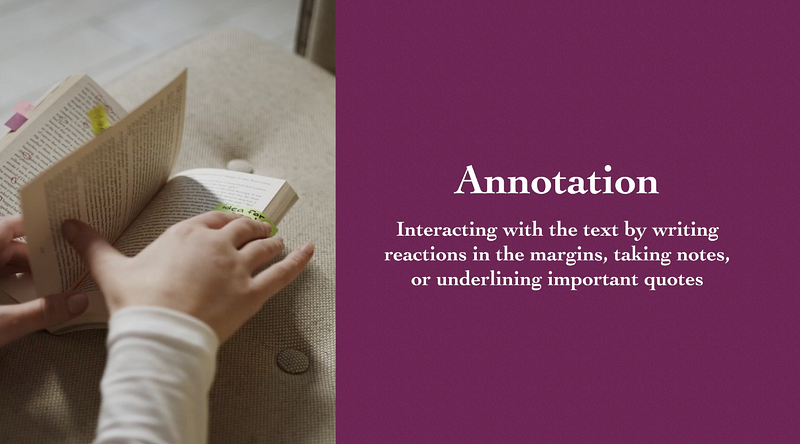
While reading one of my least favorite books — Heart of Darkness by Joseph Conrad — I wrote sarcastic comments in the margins.
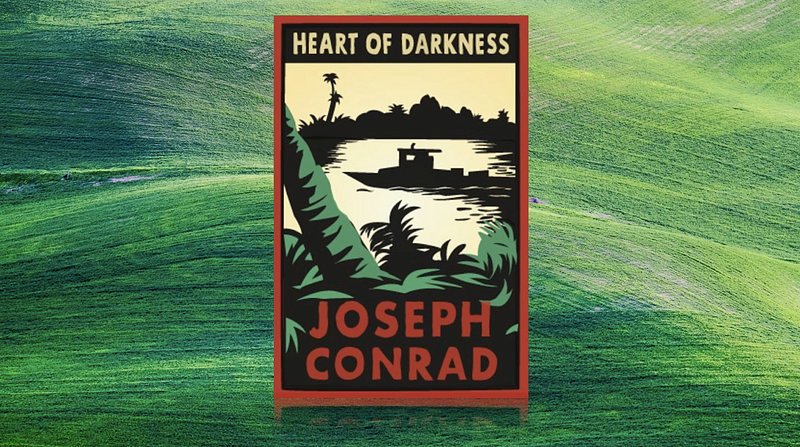
The story centers on an ivory transporter named Marlow who recounts his journey along the Congo River to three men aboard a British ship, and I wrote “I can’t believe no one else has said anything yet; they’re probably all asleep.”
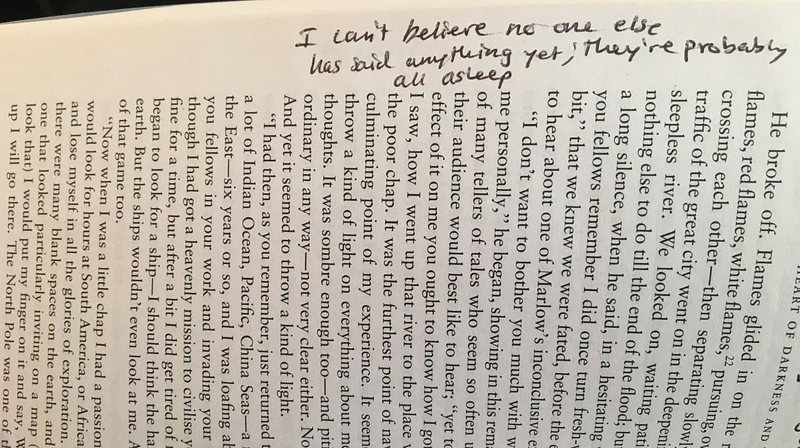
I wondered how anyone could listen to someone tell a story that long. Then I realized that it might be a difference in social conventions, given that Heart of Darkness was published in 1899, when oral storytelling was a larger part of people’s lives.
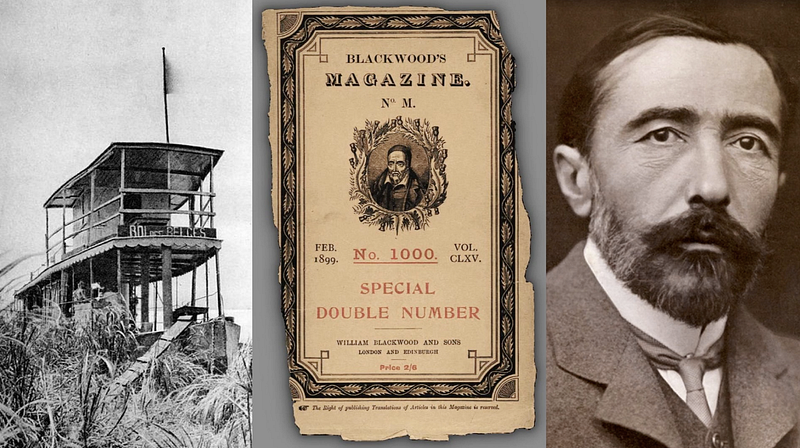
Because of that simple annotation, I mentally called attention to the narrative frame Conrad was using. I understood that part of the purpose of having Marlow recount his tale to an unnamed narrator was to add realism and make the story feel like it actually happened.
Whenever you open a new book, that experience doesn’t exist in a vacuum. You bring with it all of the stories you’ve consumed before, your own philosophy of the world, and your knowledge base or assumptions. Annotation can bring those connections to light. It can also be a way to engage with the text on a line level — to really pay attention to the patterns authors use in constructing a layered and meaningful story.
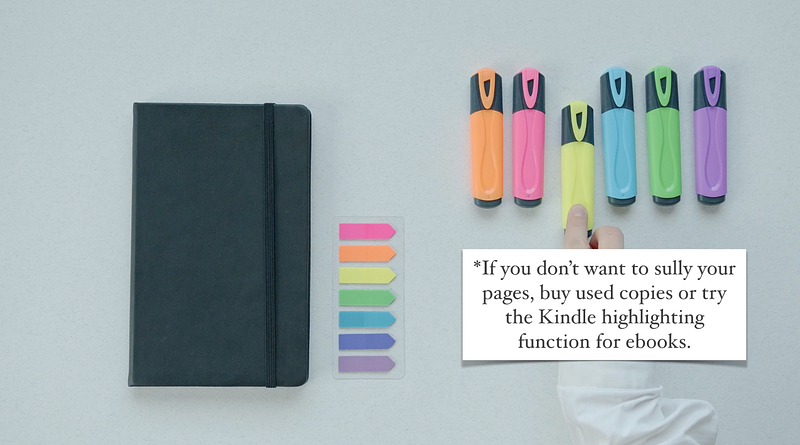
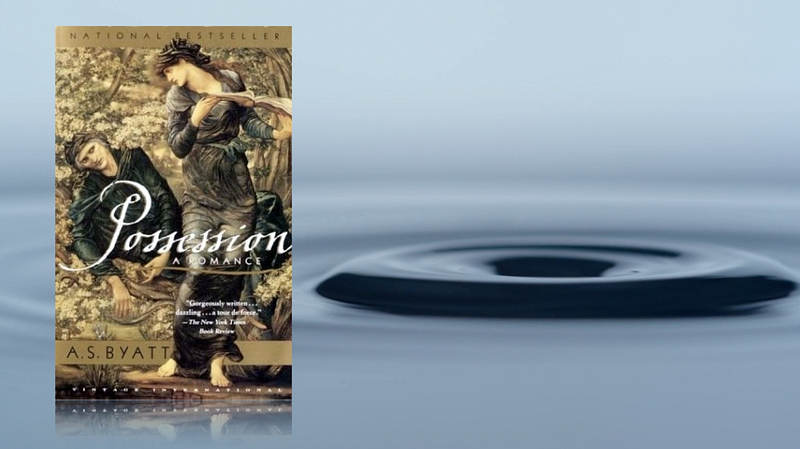
You can use highlighters to color code different story elements. With Possession by A. S. Byatt, I used a blue highlighter for all references to water. Waterfalls, seashores, a legend of a woman with a fish’s tail — water was everywhere, and it was often paired with the idea of female desire. Those motifs — repeated symbols — invite the reader to examine them more closely and see what they might mean in the larger context of the novel.
If you prefer a looser structure, keep a freeform reading log of your thoughts every few chapters. At the end, look back at your notes and see how your emotions have shifted, or determine if your predictions for future chapters had good payoffs or not.
In the past, I’ve run into the problem of not fully remembering what happened in the books I read, but keeping a reading log is one way to fully absorb the text.
4. Create something inspired by what you read.
Having just shared that bananas Type-A book dissection, I want to make a caveat: it is possible to kill your enjoyment of storytelling if you go headlong into every book with a surgical knife. A lot of “former” bookworms I know had their love of reading beaten out of them by English teachers who insisted teens BS their way through essays about the symbolism of curtain colors in nineteenth-century novels. You have to be genuinely interested in the genre or topic if you’re going to study it.
That’s why I find it’s best to read most books casually and just experience the story. Afterward, I can figure out how I want to engage with it on a deeper level. Don’t turn reading into work!
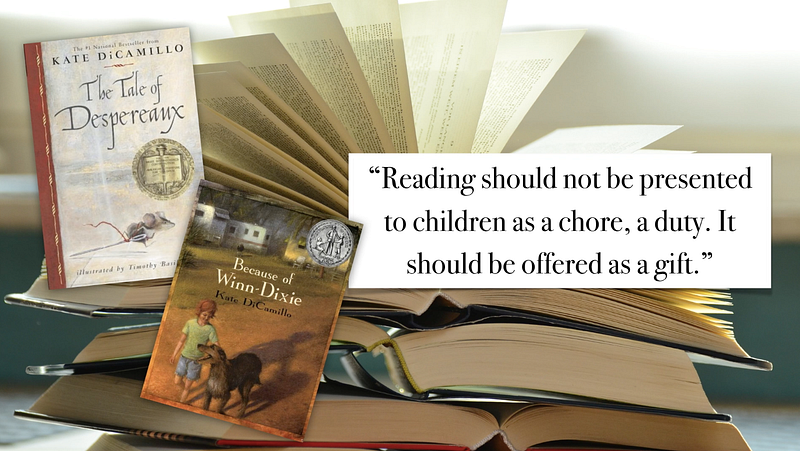
As children’s author Kate DiCamillo says, “Reading should not be presented to children as a chore, a duty. It should be offered as a gift.” Do the same for your adult self, and don’t let over-analysis kill your love of reading.
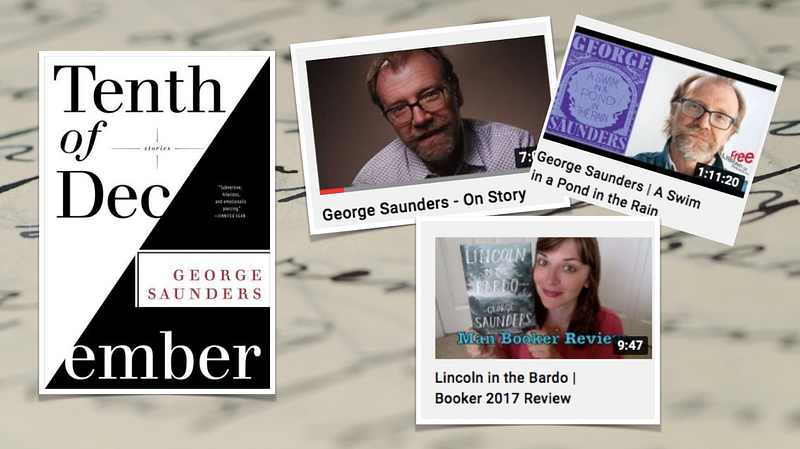
Find a way to engage with the book that is fun to you. Watch YouTube book reviews or interviews with the author.
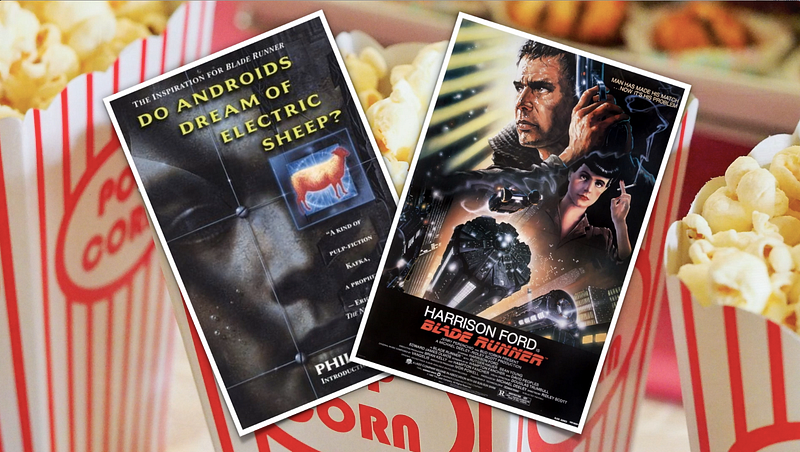
Create artwork inspired by the book. Write a short story or poem.
After reading, watch the movie adaptation, and note the changes they made.
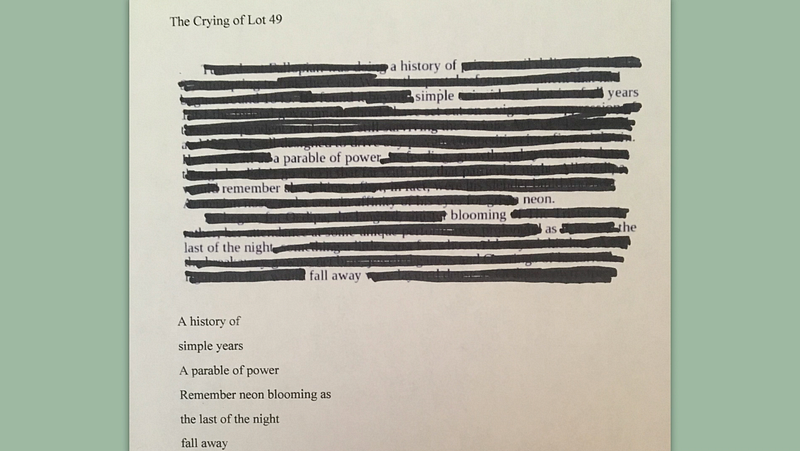
I’m not a big Thomas Pynchon fan, but I developed an added fondness for his work after photocopying a page from The Crying of Lot 49, whipping out a Sharpie, and creating an erasure poem from his prose. Even that simple act made me pay more attention to what those sentences meant and how he was playing with language.
For me, the personal essay is often the perfect outlet for my thoughts. After reading The Library Book by Susan Orlean, I wrote an essay on book burning and the magic of libraries, and Carmen Maria Machado’s memoir In the Dream House inspired my piece on queer antiheroes in fiction.
Reading is a form of communication that invites you to participate and interact with the ideas on the page — build from them, challenge them, subvert them. Create new art from the art you consume and continue the conversation.
5. Target specific writing skills you want to improve.
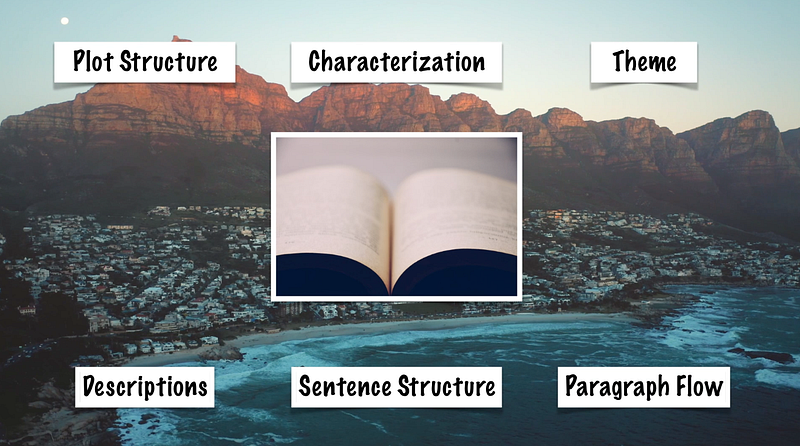
This type of strategic reading can involve higher order or lower order concerns. Plot structure, characterization, and theme are higher order concerns — the big-picture aspects that require you to look at the book as a whole. Lower order concerns are at the sentence level — descriptions, sentence structure, the flow between paragraphs. Narrow your focus to one of those elements.
Perhaps you’re looking for advice on writing action sequences or world-building without infodumping. Maybe you want to learn to write realistic-sounding dialogue or more captivating setting descriptions. Choose an author you admire and study how they do it.
Say you really want to get a hang of story structure. After you finish an enjoyable book you want to emulate, skim through each chapter and summarize what happened in one sentence, then reread your summary from beginning to end.
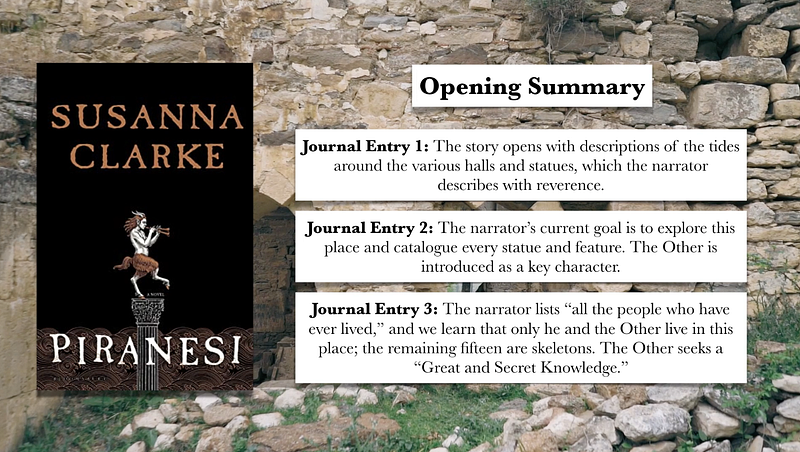
- What do you notice about the purpose of each scene?
- What character choices were most important or most memorable?
- How did the focus of the story transform over time, and what were those turning points?
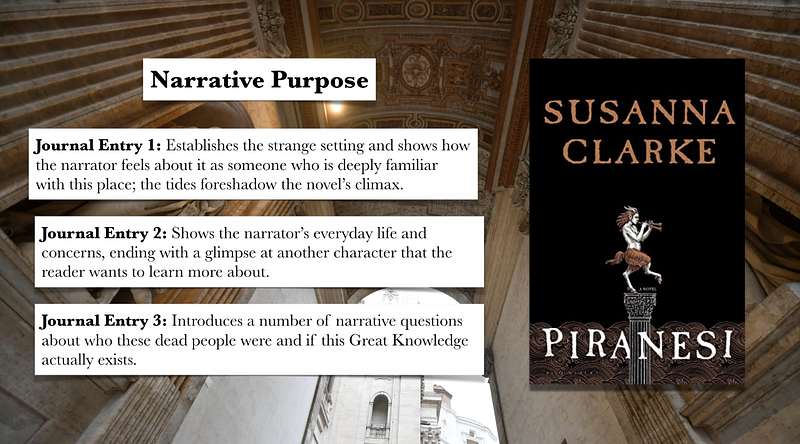
If you’re studying a book at the prose level, choose a few passages that stand out to you and read them aloud. Memorize them, if you want.
- Why does the passage call out to you?
- What narrative tools — word choice, repetition, sentence structure — is the author using to make you feel that way?
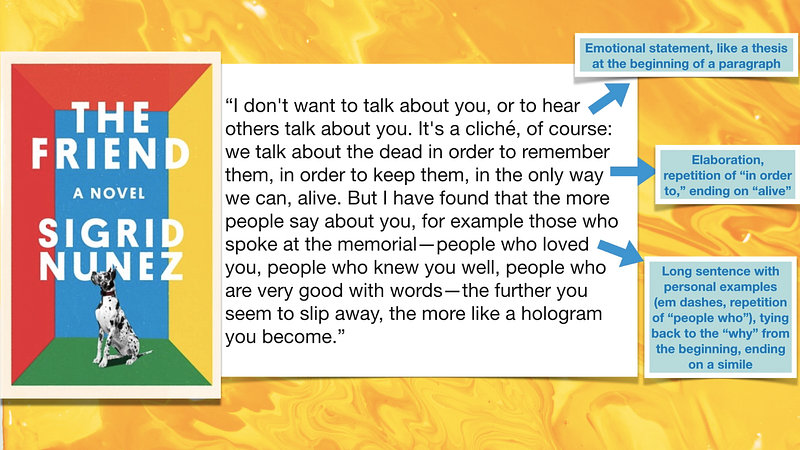
My YouTube videos and these Medium articles are essentially me targeting a specific skill I want to learn. For instance, in my piece on “Writing Fiction with Emotion,” I examined books that were praised for their emotional impact on the reader and asked myself, “How can I replicate that effect as a writer?”
Put that learned skill into practice during your next writing session and focus on that single area.
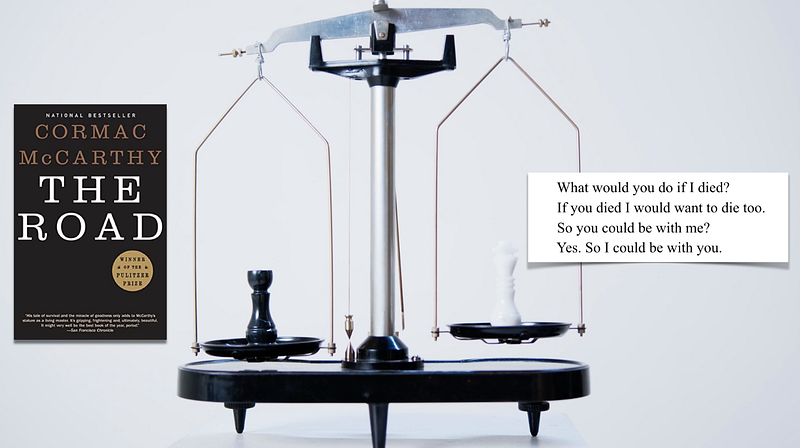
Also weigh the advantages and disadvantages of whatever technique you’re targeting. If you like how Cormac McCarthy leaves out quotation marks in dialogue, think about the pros and cons of that approach. Look at the decisions other authors have made, and see how you can make similar choices in your own writing.
6. Examine the larger context.
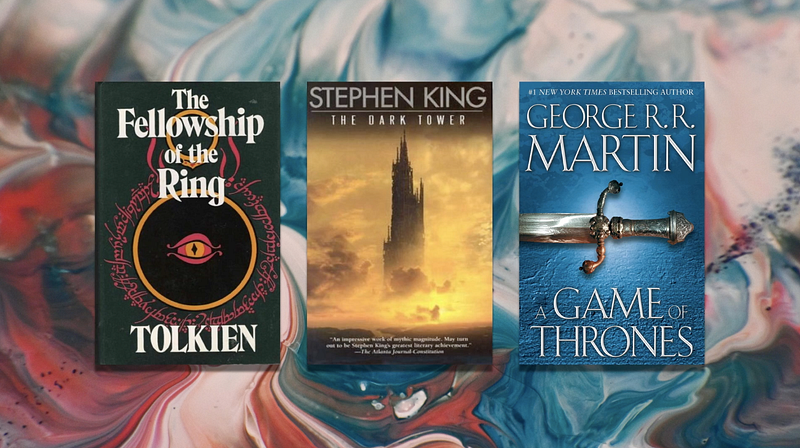
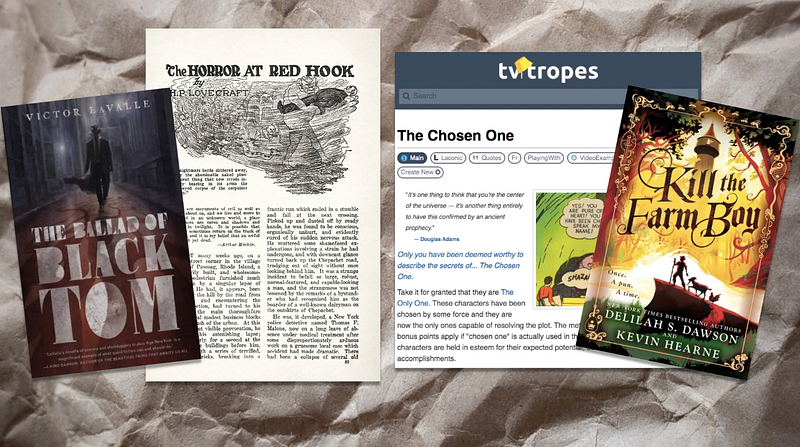
Writers are inevitably influenced by the stories that came before. The Lord of the Rings has been affectionately called Beowulf fan fiction, since Tolkien specialized in Old English and medieval literature as a professor. Lord of the Rings has influenced countless contemporary authors, from Stephen King to George R. R. Martin, who themselves will go on to inspire future generations of writers.
In his book How to Read Literature Like a Professor, Thomas C. Foster talks about how “there’s no such thing as a wholly original work of literature” because writers are always borrowing from or responding to older texts, whether that be Shakespeare, the Bible, fairy tales, or myths.
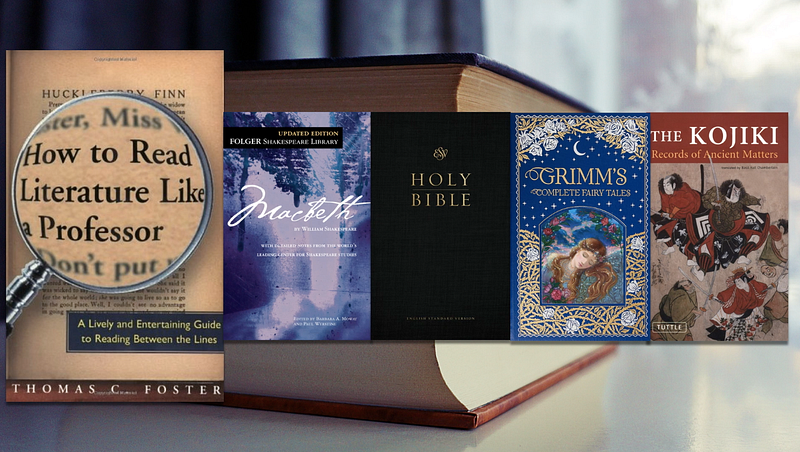
Professor Foster explains:
“This dialogue between old texts and new is always going on at one level or another. Critics speak of this dialogue as intertextuality, the ongoing interaction between poems or stories. This intertextual dialogue deepens and enriches the reading experience, bringing multiple layers of meaning to the text, some of which readers may not even consciously notice. The more we become aware of the possibility that our text is speaking to other texts, the more similarities and correspondences we begin to notice, and the more alive the text becomes.”
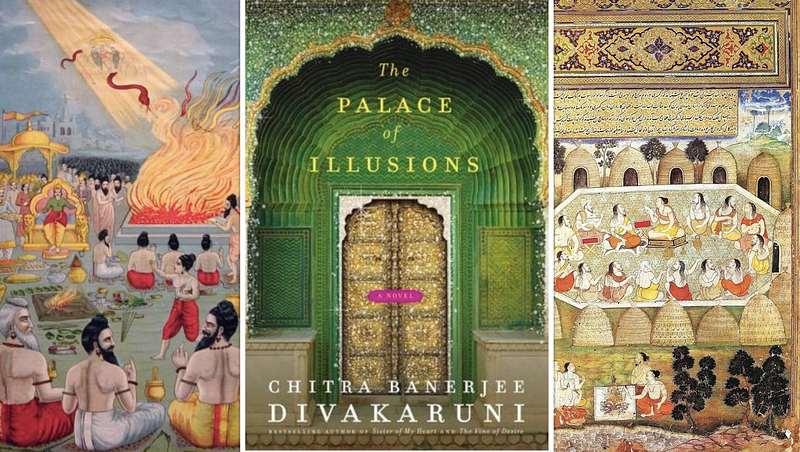
Some stories are clear retellings or reimaginings, like how The Palace of Illusions by Chitra Banerjee Divakaruni reimagines the Mahabharata, an ancient Indian epic.
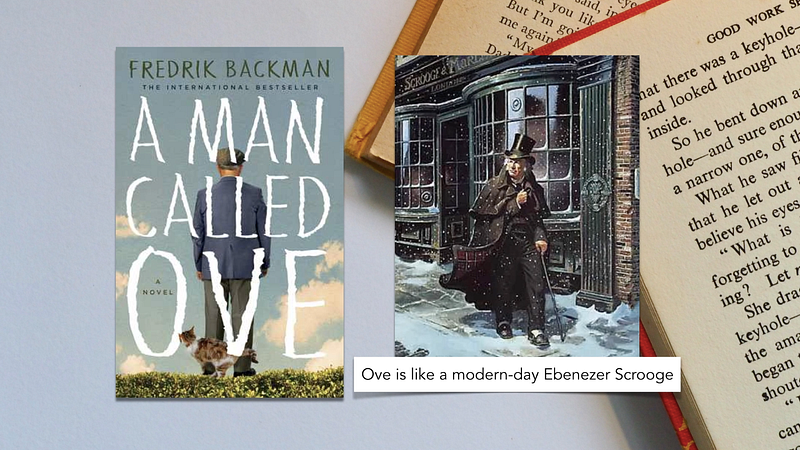
Others only borrow a single character, setting, or detail, like how Fredrik Backman’s A Man Called Ove features a protagonist who feels like a modern-day Ebenezer Scrooge.
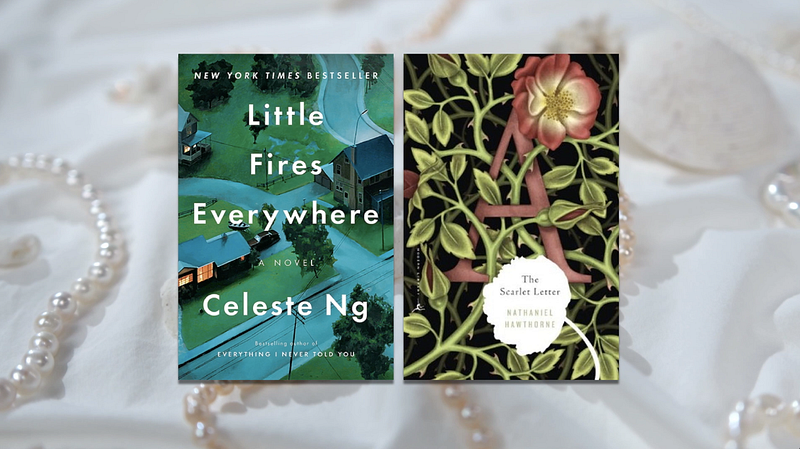
In her 2017 novel Little Fires Everywhere, Celeste Ng alludes to Nathaniel Hawthorne’s 1850 classic The Scarlet Letter by naming key characters “Pearl” and “Hawthorne.” This is a deliberate choice that lets her compare and contrast how she’s exploring themes of motherhood with how Hawthorne did in his novel.
When reading like a writer, look at the larger literary context of the work. Professor Foster lists common symbols across literature, from how spring symbolizes youth and rebirth to rain being a cleansing force. There’s a universal grammar of figurative imagery across literature. Knowing genre conventions can also help you recognize those patterns and how the writer is experimenting with shared ideas.
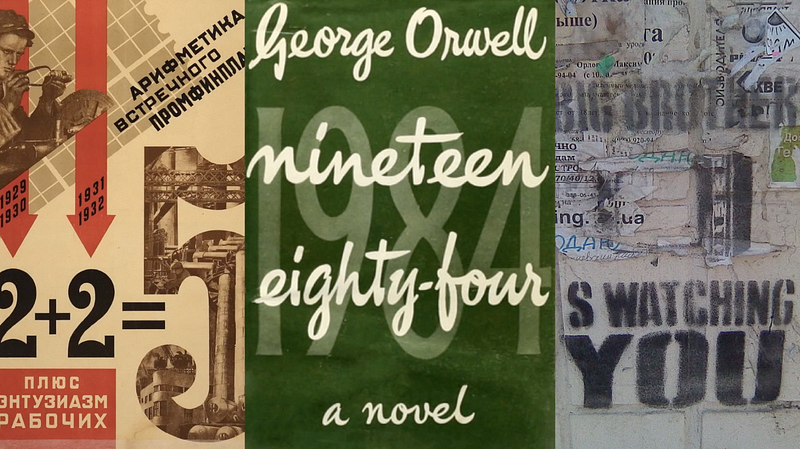
You can also consider the social, historical, or geopolitical context in which the art was created. George Orwell’s 1984, which was published in 1949, was written in direct response to the totalitarian rule of Stalinist Russia. The intended audience and purpose of the text can factor into your interpretation.
Drawing those literary connections can provide ways for you to add intertextual layers in your own stories.
7. Reread.
If you’ve already read a book once, the next time you can focus less on what happens in the story and more on the writing itself. It’s just like rewatching a movie — you catch new details and foreshadowing that escaped your notice the first time around.
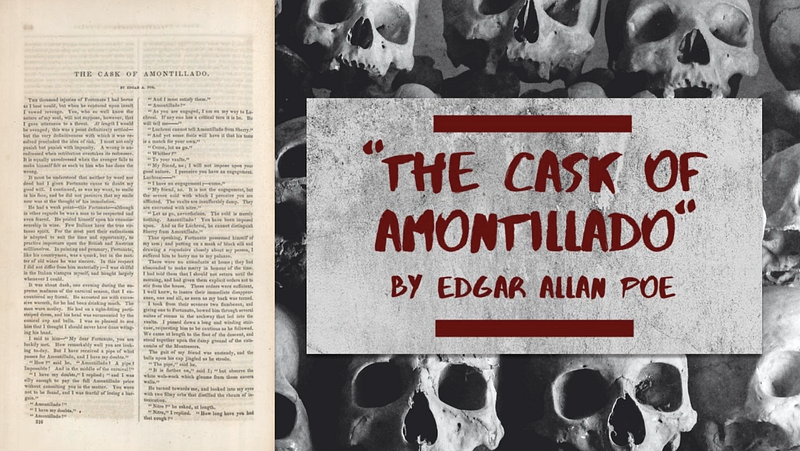
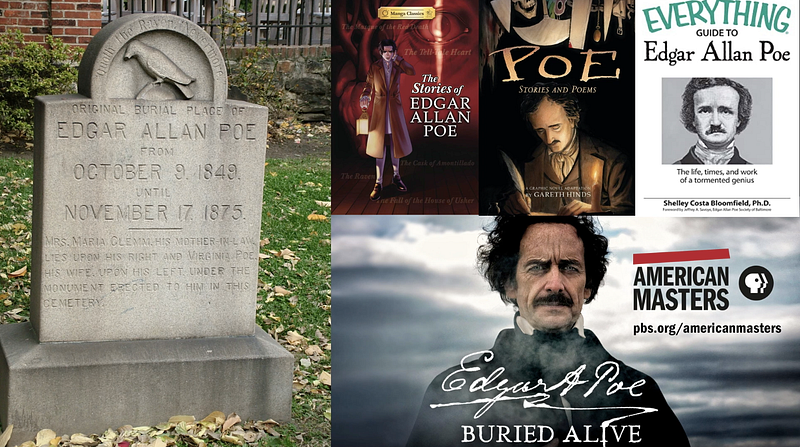
For my video analysis of Edgar Allan Poe’s “The Cask of Amontillado,” I must’ve read that friggin’ story a dozen times. Poe isn’t my favorite author, and it’s not my favorite short story. Even so, I tried to engage deeply with the text.
- I read about what was going on in Poe’s life when he wrote it.
- I consumed different graphic novel adaptations to see what they added or left out.
- I watched a documentary about Poe’s tragic life.
- I contacted a Poe scholar and asked her to read my analysis to check what I might’ve missed.
- Then I read the story aloud to record it for the video, trying out different inflections and tones.
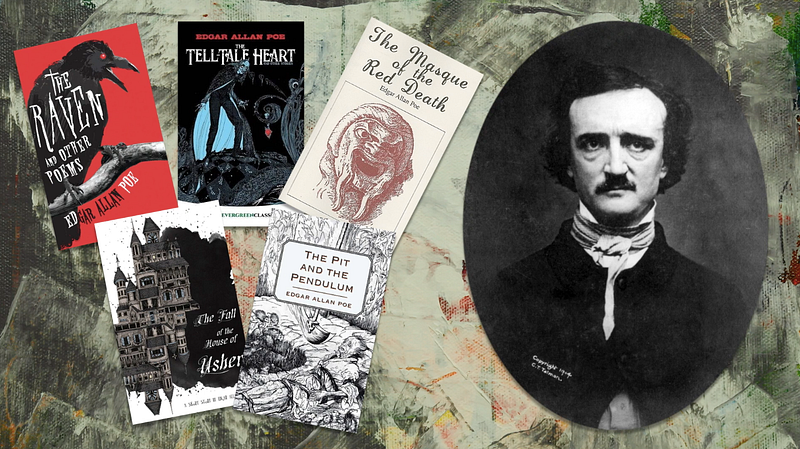
“The Cask of Amontillado” is one of the deepest dives I’ve done for a story, thanks to rereading. During each read, I tried to view the story through a different craft lens: plot structure, dialogue, foreshadowing.
Rereading lets you get past your initial reactions to analyze why the story works or doesn’t work. I recommend consuming the short story, poem, essay, or book in a different format than when you first read it, or read the text aloud to yourself. It’s an opportunity to discover craft choices you might not have noticed before.
Comparison Is the Thief of Joy
As you marvel at the words of amazing authors, remember that comparison is the thief of joy. I constantly hear writers bemoan the fact that their prose isn’t as lyrical, insightful, or literary as that of their favorite authors. The characters are so well drawn and the plots so cleverly woven — how can they ever aspire to that? They look at their writing and see cubic zirconium, while the books they read are diamonds.
The harsh reality is that, while we can improve our craft, oftentimes our natural “voice” is what we’re stuck with, and that’s not always the same as the storytelling skill we wish we had.
Francine Prose gives helpful advice for fighting this type of envy in Reading Like a Writer:
“To be truthful, some writers stop you dead in your tracks by making you see your own work in the most unflattering light . . .
The only remedy to this I have found is to read a writer whose work is entirely different from another, though not necessarily more like your own — a difference that will remind you of how many rooms there are in the house of art.”
Also know that the authors you love have likely spent years honing their craft and have their own insecurities. One of the most inspiring quotes about writing I’ve ever read comes from Ira Glass, the host of This American Life, where he talks about that gap between the writers we are and the writers we aspire to be:
“Nobody tells people who are beginners — and I really wish somebody had told this to me — is that all of us who do creative work, we get into it . . . and we get into it because we have good taste. But it’s like there’s a gap that for the first couple years that you’re making stuff, what you’re making isn’t so good. Okay, it’s not that great. It’s trying to be good, it has ambition to be good, but it’s not quite that good.
But your taste, the thing that got you into the game, your taste is still killer. And your taste is good enough that you can tell that what you’re making is kind of a disappointment to you, you know what I mean?
A lot of people never get past that phase. A lot of people at that point, they quit. And the thing I would say to you with all my heart is that most everybody I know who does interesting, creative work, they went through a phase of years where they had really good taste, they could tell what they were making wasn’t as good as they wanted it to be — they knew it fell short. It didn’t have this special thing that we wanted it to have.
And the thing I would say to you is everybody goes through that, and for you to go through it — if you’re going through it right now, if you’re just getting out of that phase — you gotta know it’s totally normal. And the most important possible thing you could do is do a lot of work. Do a huge volume of work. Put yourself on a deadline so that every week or every month, you know you’re gonna finish one story. Because it’s only by actually going through a volume of work that you’re actually going to catch up and close that gap. And the work you’re making will be as good as your ambitions.
I took longer to figure out how to do this than anybody I’ve ever met . . . It takes a while. It’s gonna take you a while. It’s normal to take a while, and you just have to fight your way through that.”
What book do you want to read like a writer? Tell me why it’s worth a deep dive in the comments.
Whatever you do, keep writing.
This post was adapted from a video on my YouTube channel Quotidian Writer. You can watch the full video below!
If you liked this post, treat me to a cup of coffee on Ko-fi.
Read my list of published and forthcoming works here.
Follow me on Twitter for writing updates!


