
How to protect your blood-brain barrier? 🧠
Tips to protect your health with a functioning blood-brain barrier
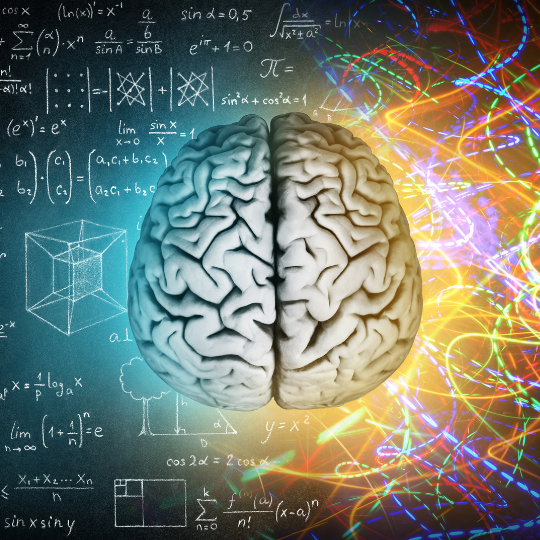
The blood-brain barrier prevents toxins and pathogens from entering the brain from the blood. If this barrier does not function properly, the body becomes susceptible to diseases such as Alzheimer’s and multiple sclerosis. However, there are natural means and measures you can take to protect your blood-brain barrier.
The tasks of the blood-brain barrier
The blood-brain barrier (BBB) is a barrier between the blood and the brain. It is permeable to nutrients so that the brain is supplied with everything it needs. The blood-brain barrier is impermeable to most harmful substances and pathogens — it therefore serves to protect the brain. However, the BBB cannot protect against all harmful substances: Drugs such as cocaine and ecstasy get you high because they can pass through the blood-brain barrier. In doing so, they cause long-term damage. How the blood-brain barrier works
How exactly does the blood-brain barrier work? It consists of the following components that cooperate with each other — if one component fails, it no longer functions properly:
👉🏼 Endothelial cells: The brain is criss-crossed by a network of blood vessels. So-called endothelial cells line the blood vessel walls from the inside and control which substances are allowed to enter the nervous tissue of the brain and which are not. The endothelial cells are so close together that they can seal the small spaces between the cells (“tight junctions”) if necessary. The cell layer consisting of the endothelial cells standing together is called the endothelium.
👉🏼 Basement membrane: The endothelium is surrounded by a membrane which, in simple terms, holds everything in place. It also communicates with the surrounding cells and in this way is also involved in deciding which substances enter the brain and which do not.
👉🏼 Pericytes: The pericytes are embedded in the basement membrane. These cells communicate with the endothelial cells, but their tasks have not yet been clearly researched. They are probably involved in maintaining the blood-brain barrier.
👉🏼 Astrocytes: Astrocytes are located around the basement membrane. Among other things, these cells help the endothelium to defend the blood-brain barrier and contribute to the supply of the nerve cells. They send out messenger substances that make the endothelium more or less permeable.
These substances damage the blood-brain barrier
The blood-brain barrier is not only permeable to substances that benefit the brain. Some substances, such as alcohol, nicotine and cocaine, consist of particles that are also small enough to pass through the blood-brain barrier. They not only cause damage to the brain, but can also impair the blood-brain barrier, so that it suddenly becomes permeable to many other substances that are toxic to the brain.
The well-known cold hands after smoking, for example, indicate circulatory disorders of the small vessels, which can also have a negative effect on the blood-brain barrier.
Researchers believe that the damage to the blood-brain barrier caused by drugs such as ecstasy and cocaine can persist even years after the drug has been taken. This is particularly tragic when drugs are consumed at a young age. Many young people lay the foundations for later illnesses. In addition, the consumption of nicotine, alcohol, other drugs and many other harmful substances always leads to oxidative stress, which can also damage the blood-brain barrier.
Oxidative stress damages the blood-brain barrier 😡
Oxidative stress can occur anywhere in the body and can have a wide variety of causes: Mental stress, too little sleep, overexertion of the body, nicotine, alcohol, drugs, etc. If oxidative stress occurs in the brain, individual components of the blood-brain barrier (e.g. pericytes and astrocytes), which are central to the functioning of the BBB, are damaged.

Cell phone radiation damages the blood-brain barrier
Electromagnetic radiation, such as that emitted by cell phones, WLAN devices, microwaves and light, surrounds us around the clock. Chinese researchers found that the blood-brain barrier of rats became more permeable when exposed to 900 megahertz over a period of one month. For comparison: the frequency spectrum of mobile telephony, Wifi/WLAN and microwaves ranges from 300 megahertz to 3 gigahertz. There have not yet been any studies on humans.
Artificial additives: glutamate, aspartame and citric acid
Additives in food are also suspected of causing damage to the brain — officially they are considered harmless. The flavor enhancer glutamate
Glutamate produced naturally in the brain is a neurotransmitter that fulfills important functions for memory. Artificially produced glutamate, on the other hand, is used as a flavor enhancer in food. It is contained in spice mixtures and all kinds of ready meals.
According to current research, the glutamate produced in the brain can be transported into the bloodstream via the blood-brain barrier. Conversely, glutamate from the bloodstream (i.e. glutamate that is ingested with food) should not be able to cross the BBB.
However, not all researchers agree with this finding: Michael Hermanussen, a pediatrician and professor at the Christian Albrechts University in Kiel, writes that even if the blood-brain barrier is intact, there is a risk of glutamate from food entering the brain. He explains:
“We know from animal experiments that if glutamate is offered to animals in certain quantities via food or injected under the skin, then the substance enters the blood serum. And if certain serum levels are exceeded, the glutamate also enters the brain. Obviously there are “leaks” in the blood-brain barrier.
This discussion is important because glutamate is suspected of being involved in neurodegenerative diseases such as Alzheimer’s, Parkinson’s and multiple sclerosis. However, it has not been conclusively clarified whether the flavor enhancer glutamate, the naturally formed glutamate or both are responsible.
The sweetener aspartame
Aspartame is a synthetically produced sweetener that is used in the food industry. It is found, for example, in desserts, jams, sauces and sweet drinks.
A review from 2017, published in the journal Nutrition Reviews, summarized the findings of numerous studies on aspartame. It showed that aspartame leads to oxidative stress in the brain and damages the blood-brain barrier — and not only in high quantities, but also in quantities that are actually considered safe (less than 40 mg per kg body weight). However, the studies have so far only been carried out on animals.
The food additive citric acid 🍋
Citric acid is added to various finished products, drinks and sweets as a preservative and acidifier. It is found, for example, in jelly babies, lemonade, jam and canned fruit, but also in processed cheese.
Citric acid has the property of binding metals to itself. As it can pass the blood-brain barrier, it enters the brain together with the bound metals, such as calcium, magnesium, potassium, but also aluminum. The combination of aluminum with citric acid is called aluminum citrate and is harmful to health.

Aluminum passes through the blood-brain barrier
Aluminum enters the brain even without citric acid. However, studies show that citric acid also promotes the absorption of aluminum. This means that the absorption of aluminum into the brain is increased when foods containing citric acid are consumed. The aluminum citrate is deposited there.
Aluminum is also broken down again, but much more slowly than it is absorbed. With increasing age, more and more aluminum is deposited in the brain, where it can lead to cognitive dysfunction. Aluminum is also suspected of playing a role in neurodegenerative diseases (e.g. dementia, Alzheimer’s) and autoimmune diseases (e.g. multiple sclerosis). However, we explain here ( Aluminum elimination ) what can be done to prevent aluminum from accumulating in the body, e.g. avoid cookware from which aluminum could dissolve.)
Viruses and bacteria damage the blood-brain barrier
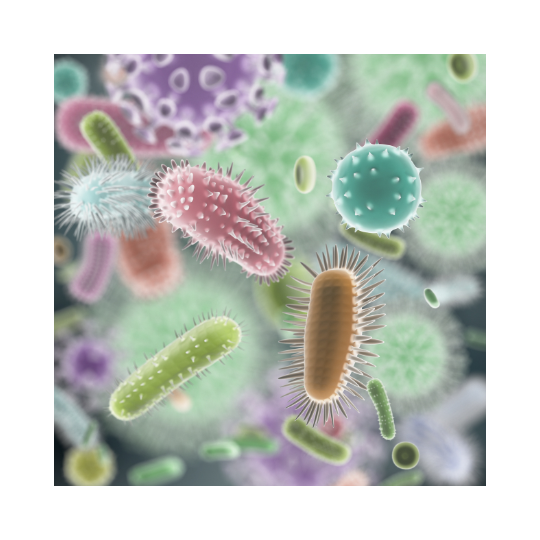
Some bacteria and viruses are able to cross the blood-brain barrier. To do this, they attach themselves to substances that are present in the brain and use them to enter the brain — similar to a Trojan horse.
Bacteria that are known to pass through the BBB include pneumococci. In the case of pneumococci, it is assumed that they produce a toxin that causes the endothelial cells to die. In the brain, they can lead to meningitis.
Viruses that are known to cross the blood-brain barrier include the mumps virus and the herpes simplex virus. Both can trigger an inflammation of the brain (encephalitis).
Not all viruses and bacteria that travel through our bodies enter the brain. However, if the immune system is weakened, it sometimes cannot prevent pathogens from spreading in the body. In the worst case, they then make their way through the blood-brain barrier.
Inflammation in the brain damages the blood-brain barrier
If a pathogen gets through the blood-brain barrier, it can trigger inflammation in the brain. The brain’s own immune cells, the microglia, are responsible for this. The microglia keep the inflammation going until the pathogen has been rendered harmless. This is a natural defense mechanism.
However, such inflammation can also damage the blood-brain barrier and other sensitive parts of the brain by leading to the death of nerve cells. Research assumes that a damaged blood-brain barrier contributes to the development of autoimmune diseases.
Diseases damage the blood-brain barrier
Diseases can also lead to inflammation in the brain. In multiple sclerosis, epilepsy and Alzheimer’s disease, inflammatory episodes occur repeatedly. With each inflammatory episode, the blood-brain barrier becomes more permeable. This leads to a vicious circle in which the diseases progress further and further and the blood-brain barrier becomes weaker and weaker. Eventually, bacteria and viruses have an easy time of it.
A stroke or traumatic brain injury can also cause the blood-brain barrier to become permeable, for example by damaging or temporarily closing the blood vessels. Other diseases associated with a permeable blood-brain barrier are Parkinson’s disease and diabetes.
Research assumes that diabetes damages the barrier effect of the blood-brain barrier. Excessive blood sugar levels are thought to make the BBB more permeable and increase the risk of secondary diseases. The transport of glucose and insulin across the blood-brain barrier is thought to be linked to this. However, the exact mechanisms have not yet been sufficiently researched.
In many cases, researchers are also not sure whether diseases are caused by a disturbed blood-brain barrier in the first place, or whether they themselves are the cause of damage to the BBB. It is assumed that both factors play a role.
The blood-brain barrier is an obstacle to medication 💊
The blood-brain barrier is normally so effective that it even makes drug treatment of many neurological diseases more difficult. This is because foreign substances are treated like toxins and are repelled by the blood-brain barrier. For example, the barrier causes problems in the treatment of brain tumors, Alzheimer’s and Parkinson’s — diseases in which the drugs are primarily intended to act in the brain.
Parkinson’s disease, for example, is treated with dopamine. As dopamine cannot pass through the BBB, precursors of dopamine are used. The precursors pass through the BBB and are only converted to dopamine in the brain. Other ways in which science attempts to circumvent the blood-brain barrier are as follows:
For example, by transporting the active drug ingredients through the BBB with the help of other substances that serve as transporters in this process, the development of active ingredients with certain properties that can pass through the barrier more easily (e.g. fat solubility, small molecule size, etc.) opening the barrier using ultrasound or bypassing the blood-brain barrier by injecting the drug directly into the brain.
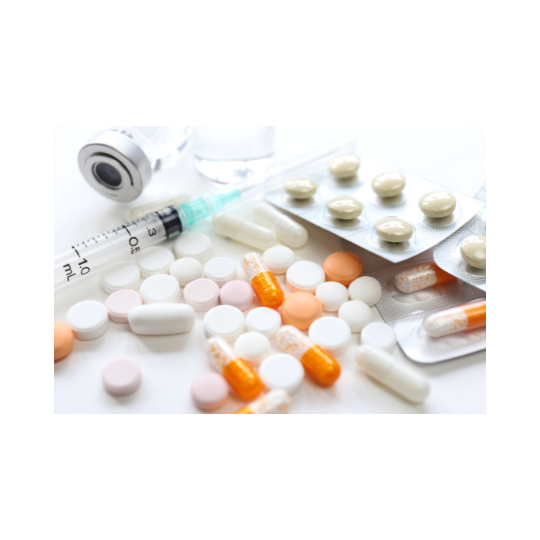
However, overcoming the barrier is still far from being sufficiently researched and will probably occupy scientists for many years to come.
The blood-brain barrier in babies and small children 🤰
It is often stated that the blood-brain barrier is not yet fully developed in newborns and infants. This is also the assumption of many pediatricians and neurologists. However, if you look for studies that prove this, you will hardly find any.
Quite the opposite: the authors of a research paper from 2012 uncover a number of false conclusions that are said to have led to this assumption. The researchers are of the opinion that the blood-brain barrier of infants and young children is by no means “leaky” or “immature”. A review from 2018 comes to the same conclusion: the blood-brain barrier in infants and young children is not immature, it says, but the brain is fundamentally more sensitive to toxins and harmful substances during its development.
It is therefore a fact that many questions about the development of the blood-brain barrier are still unanswered, e.g. when (in which phase of pregnancy) the blood-brain barrier is fully formed in the unborn baby. This is important in order to understand how, for example, taking medication during pregnancy affects the baby.
How to protect your blood-brain barrier?
Once the blood-brain barrier is damaged, it can no longer regulate itself sufficiently. Researchers are already looking for ways to “repair” the blood-brain barrier. However, it will be some time before this is possible. However, with a healthy lifestyle you can already do a lot to protect the blood-brain barrier from damage.
1. omega-3 fatty acids protect the blood-brain barrier
Omega-3 fatty acids are very important for the nervous system and many brain functions. Researchers at Harvard Medical School have discovered that omega-3 fatty acids maintain the blood-brain barrier. In order for them to perform this function, the omega-3 fatty acids must be present in the correct ratio to the omega-6 fatty acids . We have described in detail under the previous link how you can ensure an optimal supply of omega-3 fatty acids and in what ratio you should consume omega-6 fatty acids.
2. consume sufficient minerals
Minerals are essential for optimal brain function: they are involved in the transmission of stimuli in the nervous system and protect nerve cells from dying. Magnesium also makes the blood-brain barrier less permeable. According to an American review, magnesium deficiency plays a role in the development of Alzheimer’s, strokes, epilepsy and Parkinson’s disease.
Further information on mineral deficiency can be found under the previous link. There you will find a useful overview of the minerals, learn more about how a deficiency is detected and how you can do a blood test at home.
3. have a vitamin B12 deficiency checked
Vitamin B12 protects the nervous system and helps with the regeneration of nerve cells. A vitamin B12 deficiency is also closely linked to Alzheimer’s disease. The disease is in turn associated with a reduced function of the blood-brain barrier, as we have described above.
Vitamin B12 deficiency affects far more people than you might think. However, the other B vitamins also perform important functions in the brain and should not be ignored. Therefore, have your vitamin balance checked and adjust your diet if necessary.
4. caffeine protects the blood-brain barrier ☕️
The blood-brain barrier normally becomes more permeable in Alzheimer’s and Parkinson’s disease. Studies show that regular consumption of caffeine can protect against Alzheimer’s and Parkinson’s by maintaining the blood-brain barrier.
Just one cup of coffee a day was enough to prevent Alzheimer’s — in the case of Parkinson’s, the protective effect only occurred with 5 cups a day. Whether so much coffee is healthy for other parts of the body is another question.
5. these phytochemicals protect the brain
The following phytochemicals can cross the blood-brain barrier and have a positive effect on the brain. Examples of foods in which the substances are found are given in brackets. They can also be taken in higher doses via food supplements.
Sulforaphane ( broccoli ): Can prevent disorders of the blood-brain barrier and is said to help against cancer and arthritis. Sulforaphane can also reduce the permeability of the BBB after a traumatic brain injury. Curcumin ( turmeric ): Protects nerve cells and helps reverse the damage that alcohol abuse leaves on the brain. Astaxanthin (algae): Astaxanthin protects the brain’s nerve cells and is considered one of nature’s most powerful antioxidants. Alpha lipoic acid (spinach, broccoli): Slows the progression of Alzheimer’s disease and protects the brain’s nerve cells. Lutein and zeaxanthin (spinach, kale): Lutein and zeaxanthin are both said to be good for memory.
Of course, there are many other phytochemicals that can cross the blood-brain barrier but have not yet been studied by scientists.
6. eat a healthy and balanced diet 🍎 🥬
Researchers have found that an unhealthy diet is harmful to the brain: it reduces thinking performance and increases inflammatory processes. In particular, you should avoid highly processed industrial foods and reduce the following inflammation-promoting foods:
❌ Ready meals, ready-made sauces, etc. ❌ Sugary foods, such as sweets ❌ Products made from wheat flour ❌ Dairy products ❌ Meat (especially sausage) ❌ Alcohol
Cytokines play an important role in inflammation — they are produced in the body. Some of these cytokines cause or increase inflammation, others reduce or stop inflammation. It is assumed that an unhealthy diet promotes the formation of pro-inflammatory substances in the body. Cytokines are able to cross the blood-brain barrier and trigger inflammation in the brain.
Instead, you should include anti-inflammatory foods in your diet. You can find out how to do this at the previous link. You can also use the search function on our website to find numerous articles on healthy eating.
7. gut health influences the blood-brain barrier
A healthy diet is also the be-all and end-all for healthy intestinal flora. A well-known saying goes: “Health begins in the gut.” And so does the health of the brain. The gut and brain are in close contact with each other via the so-called gut-brain axis. For example, they communicate via nerves and hormones.
In recent years, more and more researchers have discovered that a disturbed gut flora plays a role in the development of Alzheimer’s, Parkinson’s and depression, among others. Bacteria from the intestinal flora are said to be able to influence the blood-brain barrier and thus the course of diseases. However, research in this area is still in its infancy
However, it is already clear that a healthy intestinal flora can prevent and help treat diseases through its close connection with the immune system — even if these affect the brain. You can find detailed instructions on how to build up your intestinal flora at the previous link.
8. get enough sleep
A study on mice showed that the functioning of the blood-brain barrier was significantly impaired after just 6 days in which the mice only slept for between 4 and 7 hours. Of course, this cannot be transferred one-to-one to humans — after all, most types of mice normally sleep for half of the day and therefore have a greater need for sleep than humans. However, the study suggests that too little sleep in humans could also damage the functioning of the blood-brain barrier.
The American Academy of Sleep Medicine recommends that healthy adults get at least 7 hours of sleep. On the other hand, only adolescents, sick people or people recovering from a previous lack of sleep should regularly sleep more than 9 hours.
The above-mentioned study also showed that lost sleep can be made up for: after the 6 days, the mice were allowed to sleep for a whole day. During this time, the permeability of the blood-brain barrier returned to its normal level.
9. ketogenic diet protects the blood-brain barrier from inflammation
The blood-brain barrier plays a major role in the ketogenic diet. People on a ketogenic diet eat only a few carbohydrates. This puts the body into a special state: instead of glucose from carbohydrates, the body now uses its fat reserves.
Normally, glucose serves as an energy supplier for the brain. It is channeled through the blood-brain barrier and then utilized in the brain. With the ketogenic diet, however, the brain is naturally supplied with energy despite the lower glucose intake. When fat is broken down, so-called ketones are produced in the body. Ketones can also pass through the BBB and serve the brain as a substitute energy source for glucose.
According to one study, the ketogenic diet reduces inflammatory processes in the brain. The researchers suspect that the lower glucose intake is the reason for this. However, the exact connection is not yet clear. In any case, it reduces inflammation in the brain, which can of course also affect the BBB. The ketogenic diet is already being used successfully for epilepsy.
10. avoid stress
Stress can trigger inflammation in the brain and exacerbate existing inflammation. Such inflammation, as mentioned above, is closely linked to blood-brain barrier disorders. For example, researchers found that stress makes the blood-brain barrier more permeable.
Of course, avoiding stress is easier said than done. You can find a few tips on how to deal better with stress at the previous link.
11. do sport 🚴🏿♂️
Regular physical activity stimulates the formation of new nerve cells at the blood-brain barrier — even in old age. Sport is therefore not only good for your muscles and joints, but also for your brain. It has long been assumed that dead nerve cells in the adult brain are no longer replaced (60).
Scientists are now using this knowledge to develop therapies that rebuild the BBB and other parts of the brain after a stroke, for example.
12. essential oils for the brain
Fragrance molecules from essential oils are also able to cross the blood-brain barrier. They are transported into the blood and from there into the brain through the respiratory tract — and also via the skin surface when applied directly to the skin. In studies with mice, the fragrances were detected in the brain.
Fragrance molecules are also able to bind to receptors in the brain, such as the sleep receptor. For this reason, essential oils such as lavender and jasmine have a sleep-promoting effect.
Other essential oils are also said to have a positive effect on the brain: rosemary, peppermint and lemon have a stimulating effect and improve concentration. Bergamot, lavender and rose reduce stress and thus also have an indirect protective effect on the blood-brain barrier.
Preventing disorders of the blood-brain barrier
The blood-brain barrier protects the brain from toxins, harmful substances and pathogens. Many factors can contribute to the blood-brain barrier no longer functioning properly and becoming more permeable. These include, for example, artificial additives in food, cell phone radiation, oxidative stress, drug and alcohol consumption and inflammation in the brain, such as occurs in multiple sclerosis and epilepsy. A damaged blood-brain barrier is in turn thought to promote diseases such as Alzheimer’s and Parkinson’s.
A healthy lifestyle with a varied, plant-based diet, plenty of sleep, exercise and little stress is the basis for preventing disorders of the blood-brain barrier and even protecting it to some extent from harmful influences.