
How to Prevent and Treat No-See-Um Bites
Before the itching drives you insane

Mosquito bites are annoying, but fade within a day or two. No-See-Um bites can create welts up to two inches in diameter. And they can continue itching for up to two weeks. Plus, unlike mosquitoes who hunt alone, No-See-Ums travel in clouds, meaning you’ll rarely get a single No-See-Um bite.
I am normally a bug buffet. I’m blonde, I’m female, and when I was young, I had to take Vitamin B supplements to prevent bites. (They tasted awful enough that I’d believe no bug wanted my blood.)
As I’ve aged, I’ve gotten less enticing to bugs, but I’m still the most likely target in a crowd for bites. So I’ve learned a few tricks and tips to deal with mosquitoes and other biting bugs. Since moving to the Caribbean, though, I’ve had to up my game.
My husband is normally bug-proof. But he was recently attacked by a swarm of No-See-Ums, or as they call them here, Granny-Nippers. His legs look like he is suffering from a hideous case of measles. At least 40 bites.
Here’s what we learned about treating No-See-Um bites, and preventing No-See-Um bites in the future.

Preventing the bites
Because No-See-Ums are so small, they can get through screens with no problem. You can’t deny them access the way that you can larger bugs.
They prefer still air. So one of the best ways to protect yourself is to ensure the air around you is always moving. A ceiling fan or oscillating floor fan works well.
Until it’s time to breed, they are plant pollinators. So avoid working in or around flowers during their most active times of day — dawn and dusk. Other places that attract them are still water.
They also seem to avoid strong smells. It’s not clear why. Do they think the blood they need to make baby No-See-Ums won’t work if it’s smelly? Or does the smell confuse them, and they don’t recognize you’re a blood source?
In either case, your response is clear. Stink up! Mentholated salves work well (think Bengay or Vick’s VapoRub), if you can stand the smell. The islanders we’ve spoken to about this swear by lemon grass oil. And I’ve had great results, personally, with lavender scented baby powder. Cover your ankles, legs, arms, and the back of your neck.
You can also use essential oils to create a barrier — for example, I put dabs of lavender essential oil on all four bed-posts to ensure a bite-free sleep. Other oils that seem to work are cinnamon and peppermint. If you’re having a picnic or day at the beach, you can treat your table, chair, or sun umbrella.
Don’t put essential oils directly on your skin, however. They are too concentrated, and may cause burning or irritation.
Treating the bites
What should you do after you’ve been bitten? Sadly, most people’s first realization that there are No-See-Ums around will be when their skin starts breaking out in welts.
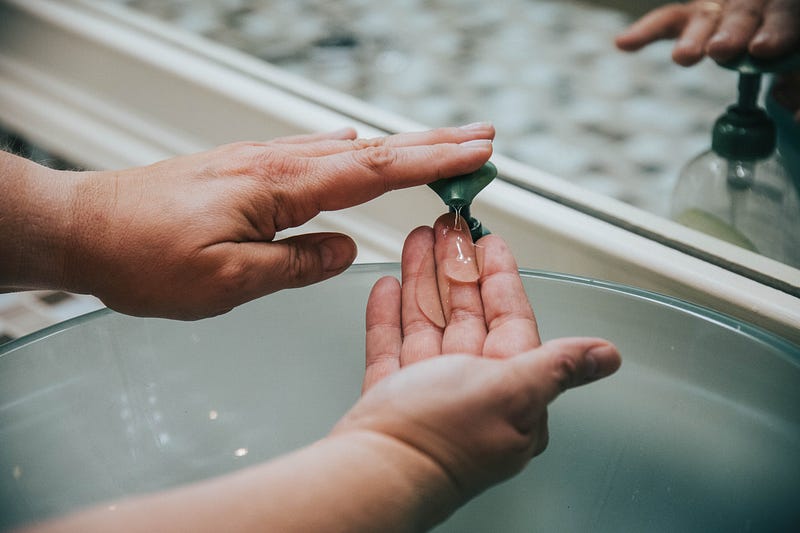
The first thing to do is to wash the area with warm water and an antibacterial soap. That gets rid of any No-See-Um saliva that might be left on your skin, helping to reduce the irritation.
It also protects you from infection. Because let’s face it. I can say, “Don’t scratch.” You can know you’re not supposed to scratch. And you’ll still scratch. You probably won’t even know you’re doing it, it’s so automatic.
Another thing that helps to protect your skin from infection is tea tree oil. This has the added benefit of also being slightly stinky, hopefully discouraging further bites.
The next thing to try is either cold or heat. Wrap an ice cube in a clean cloth, and apply to the bite for 10 minutes. Alternatively, you can heat water to about 180 degrees Fahrenheit. Use a food thermometer to test the temperature. Then use a cotton swab to apply the hot water to just the area of the bite.
There are also appliances sold that will heat your skin to this temperature. One is called “Bite Away” and another is made by the company “Beurer”. I’ve never tried them, since when I want relief I don’t want to wait to order something, but others speak highly of them.
Finally, you can use over the counter creams and antihistamines to decrease the itching and irritation. Cortisone creams may work, or zinc-based creams. Antihistamines such as Benadryl won’t do anything about the bite, but might reduce your body’s reaction to it. This is a highly individual process, and you’ll need to determine what works best for you.

Conclusion
You can enjoy outdoor activities without worrying about bug bites if you take a few simple precautions.
Avoid places where bugs like to congregate (still water, still air, flowers) around dawn and dusk.
Be stinky. Menthol, lemon grass, or various essential oils can all discourage bites.
If you do get bitten, wash the area as soon as you notice the bite. Then apply heat or cold to reduce irritation.
Use over the counter remedies or specialized devices to further reduce irritation and inflammation.


