
How to Prepare for the Next Global Crisis
A Practical Guide to Building Resilience and Adaptability in a Volatile World
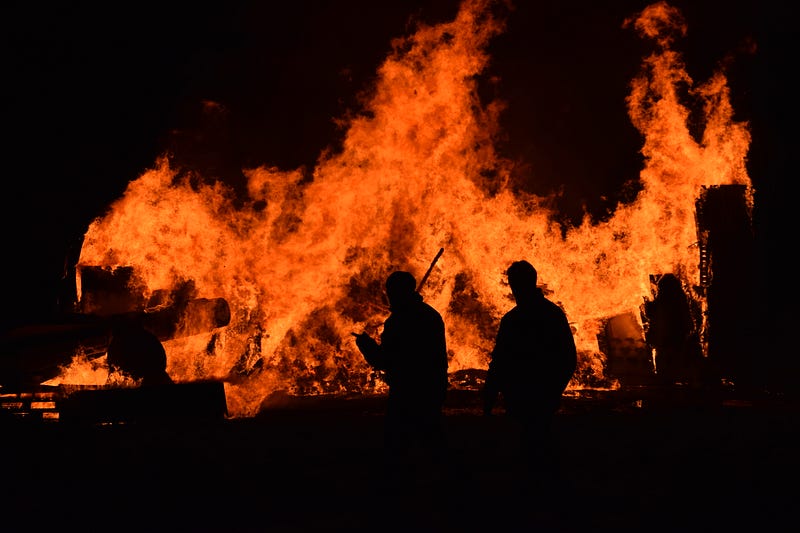
Imagine waking up one day and finding out that a war has broken out in your backyard. That’s what happened to millions of Ukrainians on January 23, 2023, when Russia launched a full-scale invasion of their country. The war has not only devastated Ukraine, but also triggered a global crisis that affects us all.
According to the World Bank, the war in Ukraine is expected to shrink its economy by 45 percent this year and plunge Russia into a deep recession of 11 percent. The war has also disrupted global supply chains, increased food and energy prices, and heightened geopolitical tensions. The UN estimates that the war could increase the number of people facing severe food insecurity by 47 million in 2022.
If this sounds familiar, it’s because we have already experienced a global crisis in the past two years: the COVID-19 pandemic. The pandemic has killed over 5 million people worldwide, caused unprecedented economic and social disruptions, and exposed the fragility and inequality of our global system.
How can we prepare for the next global crisis when we are still struggling with the current one? Is there anything we can learn from these crises that can help us survive and thrive in an uncertain and volatile world? In this article, I will share with you some practical tips on how to prepare for the next global crisis based on the lessons learned from the pandemic and the Ukraine invasion.
So buckle up, grab a cup of coffee (or tea, or whatever you prefer), and let’s dive into these tips. Trust me, they might just save your life (or at least make it easier).
Stay informed and aware.

One of the most important things you can do to prepare for the next global crisis is to stay informed and aware of what is happening in the world and how it affects you. Ignorance is not bliss when it comes to global crises; it can be dangerous and costly.
For example, if you had been following the news about the pandemic and the Ukraine invasion, you would have known about the risks of infection, travel bans, lockdowns, supply shortages, price hikes, cyberattacks, and other disruptions that could have impacted your health, safety, finances, and plans. You would have also known about the preventive measures, relief efforts, vaccination campaigns, and peace initiatives that could have helped you cope better with the crises.
But how do you stay informed and aware in a world where there is so much information and misinformation? How do you filter out the noise and focus on the signal? How do you avoid being overwhelmed or misled by the media? Here are some tips:
- Choose reliable sources of information and analysis that can provide you with accurate, timely, and comprehensive data and insights on global issues. Some examples are: The Guardian’s Global Development section, The Financial Times’ Covid-19: The Global Crisis — in Data, The International Energy Agency’s Global Energy Crisis page, and The World Bank’s Economic Updates.
- Caution against misinformation and propaganda that can fuel fear and hatred. Be wary of sources that are biased, sensationalist, or unverified. Check the facts before you share or act on them. Use tools like FactCheck.org or Snopes.com to verify claims or debunk myths.
- Encourage critical thinking and fact-checking. Don’t just accept what you read or hear at face value. Ask questions like: Who is behind this information? What is their motive or agenda? What evidence or data do they have to support their claims? How do they interpret or present their findings? Are there any gaps or inconsistencies in their arguments? Are there any alternative or opposing views?
- Diversify your information sources and perspectives. Don’t rely on a single source or viewpoint for your information. Seek out different sources and perspectives that can offer you a broader and deeper understanding of global issues. Compare and contrast different accounts and analyses. Look for common themes and patterns as well as differences and discrepancies.
By staying informed and aware of the global situation and its implications for your country and community, you can not only prepare yourself for the next global crisis, but also become a more informed and engaged global citizen. You can also help others by sharing reliable information and analysis, raising awareness of global issues, and promoting dialogue and understanding among different groups.
Build resilience and adaptability.
Another crucial thing you can do to prepare for the next global crisis is to build resilience and adaptability in your personal and professional life. Resilience is the ability to bounce back from adversity and cope with stress and trauma. Adaptability is the ability to adjust to changing situations and learn new skills. Both are essential for surviving and thriving in a crisis.
Here are some ways you can build resilience not just for the next global crisis but even to deal with the day-to-day challenges that may come your way:
- Learn new skills and embrace change. Learning new skills can help you adapt to changing situations and increase your value in the market. Embracing change can help you see it as an opportunity rather than a threat. To learn new skills and embrace change, you can take online courses, read books or articles, watch videos or podcasts, join communities or networks, or seek mentors or coaches.
- Seek opportunities and challenges. Seeking opportunities and challenges can help you grow your potential and test your limits. It can also help you discover new passions and interests. To seek opportunities and challenges, you can set goals and action plans, apply for new projects or roles, volunteer for causes or organizations, or travel to new places or cultures.
- Share success stories or inspirational quotes from people who have overcome challenges and adapted to crises. Sharing success stories or inspirational quotes can help you learn from others’ experiences and gain motivation and inspiration. It can also help you connect with others who share your values or aspirations. To share success stories or inspirational quotes, you can use social media platforms, blogs or websites, newsletters or magazines, podcasts or videos, or books or speeches.
By building resilience and adaptability in your personal and professional life, you can not only prepare yourself for the next global crisis, but also become a more successful and fulfilled person. You can also help others by sharing your skills and knowledge, offering your support or guidance, or creating positive change in the world.
Plan ahead and save for emergencies.
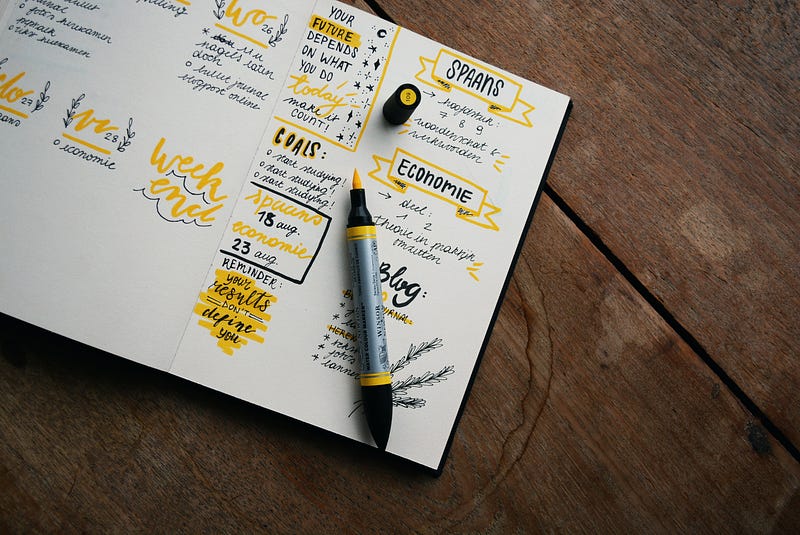
Another smart thing you can do to prepare for the next global crisis is to plan ahead and save for emergencies. Planning ahead and saving for emergencies can help you avoid or reduce financial hardships and uncertainties that may arise from a crisis. It can also give you peace of mind and confidence that you can handle unexpected expenses or income losses.
Here are some tips in helping you plan for an emergency:
- Set a budget and reduce expenses. A budget is a plan that helps you track your income and expenses and prioritize your spending and saving. To set a budget, you can use tools like apps, spreadsheets, or worksheets. To reduce expenses, you can cut down on unnecessary or discretionary spending, such as eating out, entertainment, or subscriptions.
- Diversify your income sources. Diversifying your income sources means having more than one way of earning money. This can help you increase your income and reduce your dependence on a single source. To diversify your income sources, you can look for additional or alternative jobs, start a side hustle or a business, invest in stocks or bonds, or rent out your space or skills.
- Build an emergency fund. An emergency fund is a savings account that you use only for unexpected or urgent expenses, such as medical bills, car repairs, or job losses. To build an emergency fund, you can set a goal of how much money you need to cover at least three to six months of living expenses. Then, you can save a portion of your income every month until you reach your goal.
By planning ahead and saving for emergencies, you are able to keep a peace of mind and come prepared when an emergency hits.
Contribute to peacebuilding and humanitarian efforts.
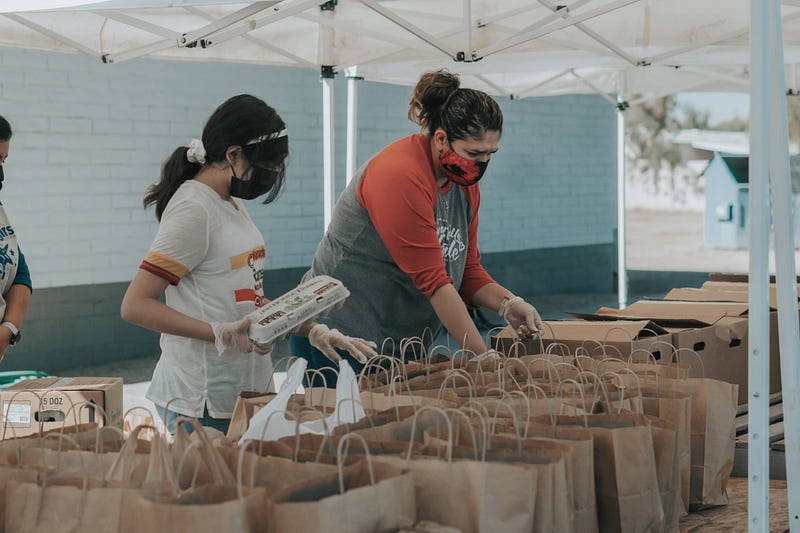
Another noble thing you can do to prepare for the next global crisis is to contribute to peacebuilding and humanitarian efforts. Peacebuilding and humanitarian efforts are actions that aim to prevent, reduce, or resolve conflicts and their impacts, and to provide assistance and protection to people in need.
Here are some avenues in which you can consider volunteering:
- Donate money or goods. Donating money or goods is one of the easiest and most effective ways to contribute to peacebuilding and humanitarian efforts. You can donate money or goods to reputable organizations that are working on these issues, such as the United Nations, the International Committee of the Red Cross, UNICEF, or Doctors Without Borders. You can also donate money or goods to local or grassroots initiatives that are addressing specific needs or challenges in your community or region.
- Volunteer your time or skills. Volunteering your time or skills is another way to contribute to peacebuilding and humanitarian efforts. You can volunteer your time or skills to organizations that are working on these issues, either online or in person. You can also volunteer your time or skills to projects or campaigns that are raising awareness or advocacy on these issues, such as writing articles, creating videos, organizing events, or signing petitions.
- Join or start a movement. Joining or starting a movement is another way to contribute to peacebuilding and humanitarian efforts. You can join or start a movement that is working on these issues, either locally or globally. You can also join or start a movement that is promoting values or principles that are conducive to peacebuilding and humanitarian efforts, such as nonviolence, dialogue, cooperation, solidarity, or human rights.
By contributing to peacebuilding and humanitarian efforts, you can improve the lives and dignity of millions of people affected by crises and promote a more peaceful and just world.
These tips are not meant to scare you or make you feel hopeless. On the contrary, they are meant to empower you and make you feel hopeful. By following these tips, you can not only protect yourself and your loved ones from the worst effects of a crisis, but also become part of the solution for a better world.
So, what are you waiting for? Start preparing today and make a difference tomorrow. You have the power to create a more peaceful and resilient future for yourself and others. Remember, every action counts, no matter how small or big. Together, we can overcome any crisis and build a brighter future. Thank you for reading this article and I hope you found it useful. Please share it with your friends and family and leave your comments or questions below. Stay safe and stay positive!
Are you tired of scrolling through endless clickbait articles and ads on other platforms? With a Medium membership, you’ll have access to high-quality, ad-free content from top writers and publications. Indulge in the pleasure of reading while supporting the creative work of writers, and take your reading experience to the next level. Sign up now to join the community of readers and writers on Medium.