
Prepare Yourself for Hyper-Inflation or Your Money Is Worthless
It’s coming fast, so you might as well brace for it

I don’t know if you’ve been watching commodities futures lately, but inflation is skyrocketing.
The Feds say it’s around 2% per year.
They’re lying.
For the things that really matter, like food, it’s way higher.
Regardless of the exact number, your money is worth less every single year.
And everyone knows it, even Reddit:
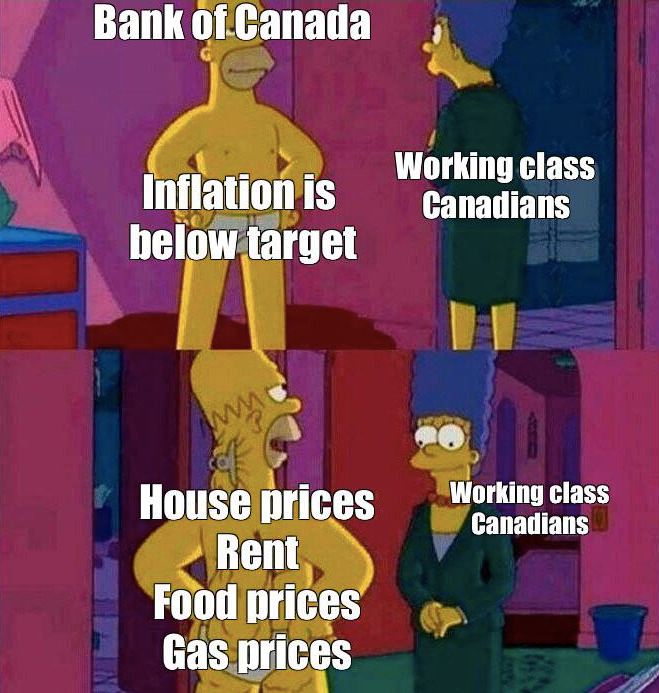
Governments like inflation
- They get to pay down federal debt with cheaper money.
- Politicians get to feel good about themselves by spending printed billions on their pet programs.
- Their corporate backers get handouts in the form of cheap credit, subsidies, bailouts, engineered tax loopholes, and favorable legislation.
It’s in their best interests to lie to you.
Thanks to corporate-captured governments printing trillions out of thin air, the future prices of things like wheat and rice are rising faster than stocks like Google and Apple.
This is disastrous news for the world’s poor — we’re talking about potential starvation for millions of members of our global family.
The Fed basically has one way out of hyperinflation: raise interest rates.
Which could crash the markets because nearly half of all corporate debt comes due by the end of 2023.
Remember 2008?
The next crash could be far bigger.
But nevermind crashes. Crashes are outside our control. We need to stay focused on the fact that every single day we hold an American dollar, a Canadian loonie, or a British pound, our own governments are stealing our purchasing power through their monetary manipulations.
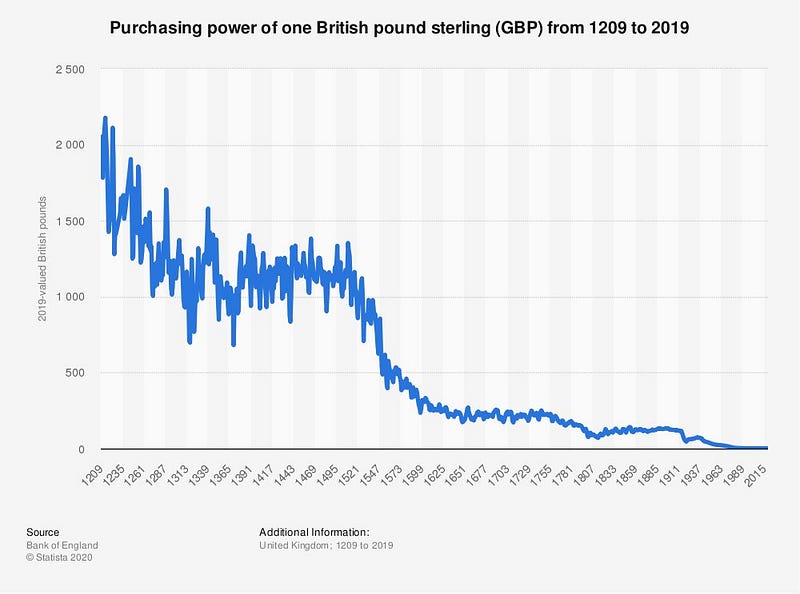
What can we do about this?
1. Help the poorest of the poor now.
Many of us in the wealthy West are feeling the squeeze, but even if the price of gas and groceries doubles, it’s not like we’re living on <$10/day.
2. Make margin to help the poor when it gets worse.
When inflation, hyperinflation, and a crash event occurs, the poorest of the poor will need our help like no other moment in our lifetime, including Covid.
3. House owners can lock into longer-term mortgages while gravy rates are still at all-time lows.
Take the ten-year terms at near-zero rates while you still can.
4. Avoid government-manipulated currencies (and the crypto bubble).
Shed overpriced assets and reallocate to real value.
No, not gold.
No, not Ponzi schemes like Bitcoin.
5. Scale down fiat spending
Here’s a crazy thought: The time and inputs needed to grow a tomato have never changed in human history. It still takes seed, water, soil, sun, and time.
But if the fiat price of a tomato keeps going up, and your fiat wages don’t keep up, there inevitably comes a point when it makes sense to cut out the middle-man (government-manipulated fiat money) and just grow tomatoes yourself.
As the middle class gets crushed in the global economic compactor, we will see millions of people level up their practical DIY skillsets: gardening, baking, cheesemaking, brewing, winemaking, auto repair, carpentry.
People are beginning to transition to non-fiat trade. Soon, they’ll transition to non-fiat value-creation, too. If this becomes widespread, it will revolutionize society as we know it.
6. Start building citadel communities to survive the great reset.
We need “refugee camps” for renters who can no longer afford to buy houses or support their landlords. We need groups and individuals of means to create zero-fiat-currency places for billions of us to live. (There won’t be much profit in it, aside from saving society from collapse.)
- Not-for-profit private cities.
- Modern monasteries.
- Co-op condo towers.
- Work-for-housing initiatives.
- Farms and kibbutzim.
- Low-tech eco-villages.
- Intentional communities.
Regardless of what these new cities look like, people will only make it through if they do what humans have always done best: learn to work together.
7. Lobby your “elected” officials.
Regular emails, calls, letters, or meetings, it’s not hard at all. Demand they adopt sound fiscal policies, focusing on commons investment instead of printed-debt-for-spending, always insinuating you and your friends will bankroll other candidates and vote them out if they don’t.
8. Buckle up.
It’s going to be a wild ride.
Read next
Jeff Bezos’s $500 Million Superyacht Proves We Need An Obscenity Tax
Universal Basic Income Will Be A Colossal Failure
Landlords And Bankers Are Killing The Real Economy
Bitcoin and Ethereum Are Dead (And Their Honest Investors Know It)
The One Investment That Pays Me 25+% Per Month Without Fail
Follow Jared on Medium or subscribe to Surviving Tomorrow.


