
Pandemic — A lesson in preparedness
How To Prepare A ‘Crisis’ Pantry on a Budget
Food chains can and will fail in times of crisis

Simple and realistic are the two keys to building a substantial ‘crisis’ pantry.
Why do we need to do this? Because the times in which we live are no longer stable or reliable. The most basic elements in our lives — jobs, medical care, community services, and food have all been subject to breakdown and disruption.
Let’s focus on the recent breakdown in our ‘normal’ food supplies. We were all shocked at the sudden depletion that occurred in just a few weeks, making some products unavailable for months or not at all. It just makes good sense to prepare now for the ongoing crisis that still looms on the horizon. So let’s stock a reasonable and affordable pantry that will help get us through similar times in the future.
In this article we’ll talk about necessary pantry categories and what goes into each.

How to use these lists
Consider the following lists as a starting point. Modify, remove, or add to them so that they will be customized for your family. One way to determine exactly what you’ll need for your family is to start with 10 of their favorite meals and build your pantry items around those menus. That will insure that the money you spend will not be wasted on food your family will not eat. As circumstance allows, increase your favorite meals to 20 along with their required ingredients.
TIP: When money and food items are in short supply, preparing different soup recipes will stretch you dollars by feeding more people with fewer ingredients.
How To Organize Your Pantry
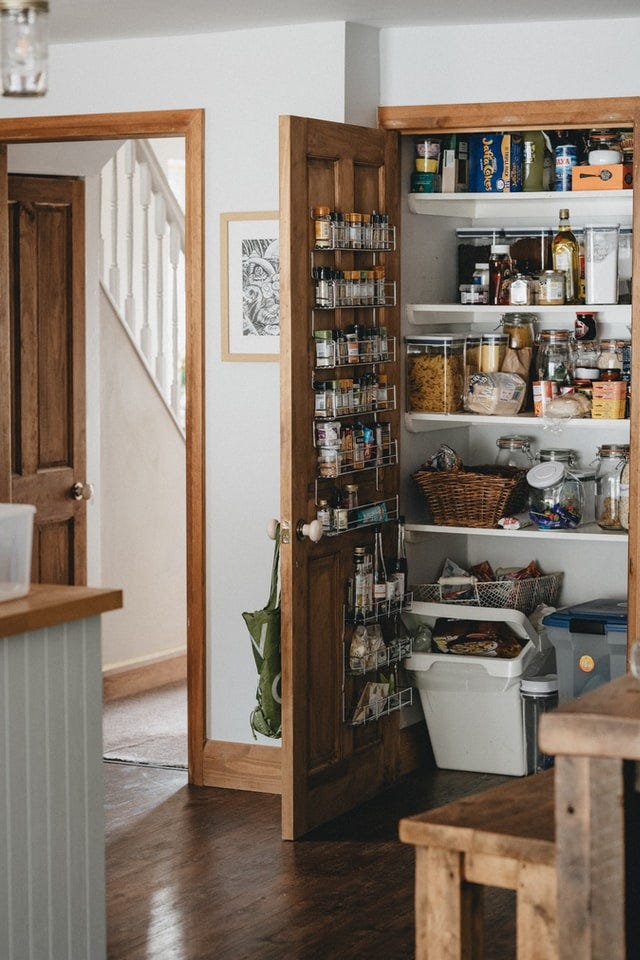
Before we start buying items for our pantry, we need a plan! If we have no organization, much of what we buy may go to waste. Here are a few tips to help get you started:
My favorite tips on this subject are:
(1)Print the pantry list and keep it on a clipboard. That way you can keep track of what you have and what items you still need.
(2)The items that you may have multiples of should be stored in such a way that the older stuff gets used first.
rule #1: first-in-first-out rule #2: You’ll never be done organizing your pantry.
Dry goods
Dry goods are usually the least expensive and most versatile ingredients in your kitchen.
These items are used in many different recipes and basic family dishes. I alway start my pantry list with dry good.
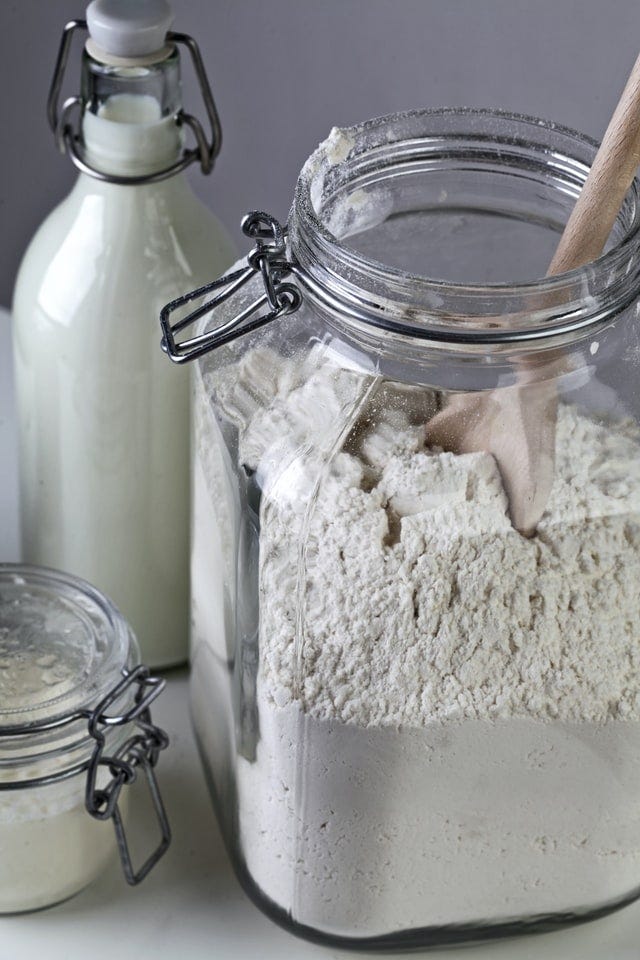
Sugar (White, brown, powdered) Flour (White, whole wheat, etc) Pasta Cereals (Oats, grits, hot variety) Baking Powder and soda Cornstarch Cocoa Powder Powdered Milk Yeast Corn Meal Rice Beans, lintels Dried Potatoes Dried Fruit Breakfast Cereal-boxed Granol Packaged mixes and seasoning Dry soup mix biscuit, pancake mix Cake, muffin, brownie mix
Oils, vinegars, and sauces
Cooking Oils Vinegars Soy sauce Marinades Assorted cooking sauces Honey Jelly and jams Condiments Pickels 10 recommended essentials
Dried Herbs and Spices
If it weren’t for the spices I have in my pantry, the food I cook would taste half as good.

Salt Pepper Paprika Cinnamon Onion Powder Garlic Powder Ginger Turmeric Nutmeg Poultry Seasoning Sage Assorted blended spices Chili Powder Oregano Italian Seasoning Vanilla Extract
Canned Goods
Soups Green Bean Assorted Beans/peas Corn Carrots Potatoes Hominy Canned Fruits Meats Salmon/Tuna Chili Soups Mushrooms Cooked tomatoes Tomato/pasta sauces
How much food is enough
A backup food supply that’s easy to manage and won’t break the bank is a cornerstone of disaster prep. The biggest question: How much food is enough?
FEMA and the Red Cross suggest a two-week supply.
I stocked enough to last for 8–12 weeks and built my pantry in 6 months as funds were available. But I’m not through. This is just my food pantry. There are other items that I will also stock in case of a breakdown in supply lines.
You may also want to consider stocking these additional categories.
- Paper goods
- Medicine and first aid supplies
- Household cleaners
- Personal care products
- Kid-friendly snacks and other items
- Drinks and water
- Feminine and baby products
Summary

In summary, plan, organize, and fill your pantry as funds are available. Build your inventory around your family’s likes and dislikes.
Spend a little time each week checking your inventory list, moving older products to the front, cleaning, and making note of items that need to be restocked.
View your pantry as a work-in-progress. Use your pantry for everyday cooking, etc. In this way, items will not get outdated and trashed.
And don’t forget to celebrate your success with a family picnic in the safety of your backyard!


