
Practical Mindfulness: How To Be Happy And Successful In Life
Eight mindfulness techniques

Learning to be mindful takes time.
Mindfulness is not just a skill, but a state of mind. Developing a mindful state of being takes consistent practice and everyday mindfulness exercises, though it's definitely worth the time.
“Change your inner life, and your outer life will reflect those inner changes” — Aleya Dao in Seven Cups of Consciousness
Mindfulness originally migrated from Buddhist traditions. These Buddhists used meditation, yoga, tai-chi, and martial arts to expand their awareness, helping one reach a higher state of elevation.
Mindfulness grew popular in Western traditions somewhere around the early 1970s as a form of stress-reduction therapy among clinics. It started to boom in the early 2000s, and has quickly developed into more than just a trend; a lifestyle.
In 2007, a study done by Grepmair et al. concluded that zen practices benefited patients during stress reduction therapy and had an effect on advanced problem-solving skills. To prove this conclusion, they developed an experiment consisting of 124 inpatients, divided between 18 psychotherapists in training (PiT).
They tracked their results by using a simple survey, which the inpatients filled out along the experiment.
There were nine groups of inpatients and PiT’s, each utilizing zen practices during the studies, while another nine inpatients and PiT’s used no zen techniques.
At the end of the trial, they concluded that zen practices did help improve the overall patient’s well-being and decrease any (if not all) sensations of anxiety, social anxiety, and depression, also confirming that zen practices can have a critical effect on one’s problem-solving abilities.
Another study done in 2012 by a group of scientists concluded that mindfulness practices benefited psychotherapists in therapy that accounts for successful treatment.
Some other noted benefits of mindfulness include a greater sense of well-being, a decrease in stress, improved heart capacity, lower blood pressure, reduce chronic pain, and even reduces gastrointestinal deficiencies.
Mindfulness Meditation
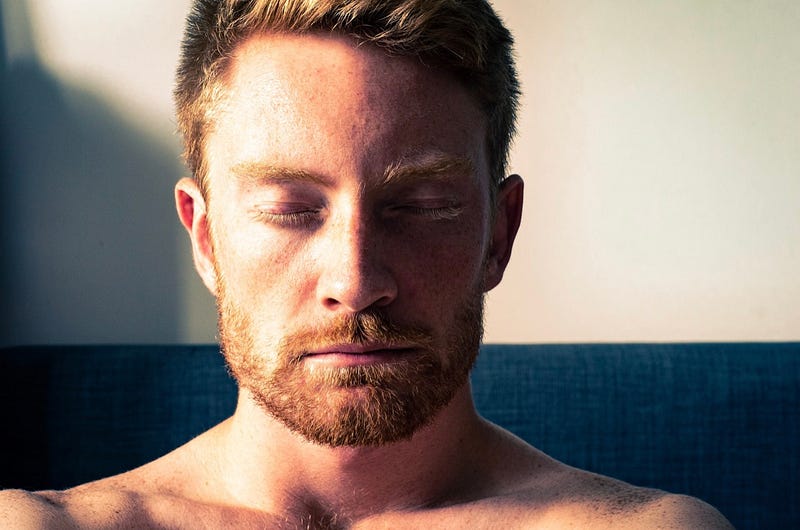
The goal of any mindfulness practice is to root yourself in the present moment. To avoid any frustration that may arise, and do not judge your thoughts.
Mindfulness meditation is a sitting practice where you follow your breath.
Notice any sensations that arise.
Are you breathing deep, or shallow? Is it shaky, or clear? Is the air hot, warm, or cold?
Put yourself into the present moment by noticing any sensations that may arise.
Plenty of people become frustrated due to a panicky mind, caused by racing thoughts; this is normal.
Our day to day life can become so hectic, that the brain might just explode if you ask it to stop.
Do not attempt to ‘stop’ your thoughts. Simply let them come and go. You do this by following your breath, noticing when you’ve drifted off into a daydream, and then returning to your breath.
Any real benefits from Mindfulness Meditation are usually best felt after about twenty minutes; however, you can start with three, work up to five, then ten, then 15, then 20. Whatever works best for you.
“If you want to conquer the anxiety of life, live in the moment, live in the breath” — Amit Ray, mindfulness meditation author
Walking Meditation
You can use walking as a form of mindfulness practice.
In mindfulness meditation, we use our breath to stay rooted in the present moment, yet, in walking meditation, we use our feet to anchor us.
Quite often, during meditation retreats, they use walking meditation as a break in-between meditation sessions.
To practice walking meditation, one should step back and forth in a simple like fashion, feeling the sensations that arise in the body.
How does the earth feel beneath you? Is it reliable, or damp? Is it cement, or grass?
What are the sensations that arise in your legs as you take the next step forward?
Walking meditation is a mindfulness practice that’s often better than mindfulness meditation when one finds him/her self too stressed to sit in one place – having a rough day? Go for a walk.
“Every path, every street in the world is your walking meditation path” — Nhat Hanh
Mindful Eating
Life can often blur by in a matter of moments, but I think we can all agree that we have to eat food.
It’s what provides us with nutrients to sustain us, and energy to keep us going.
We should all be more mindful of what we’re eating.
Our health should be the number one priority in our lives.
So what’s in your tummy?
Being mindful while eating means being more engaged in the activity.
When you’re sitting down to eat a meal, notice the colors of the foods that your eating. What’s the texture like when you take a bite? How does it taste? Is it dry, crunchy, juicy, or chewy?
I often find that it’s best to do this practice alone, so take a lunch break to yourself every now and then.
Be in the moment, and engage yourself with the most crucial activity of the day — eating.
“When walking, walk. When eating, eat” — Zen Proverb
Be present while cleaning.
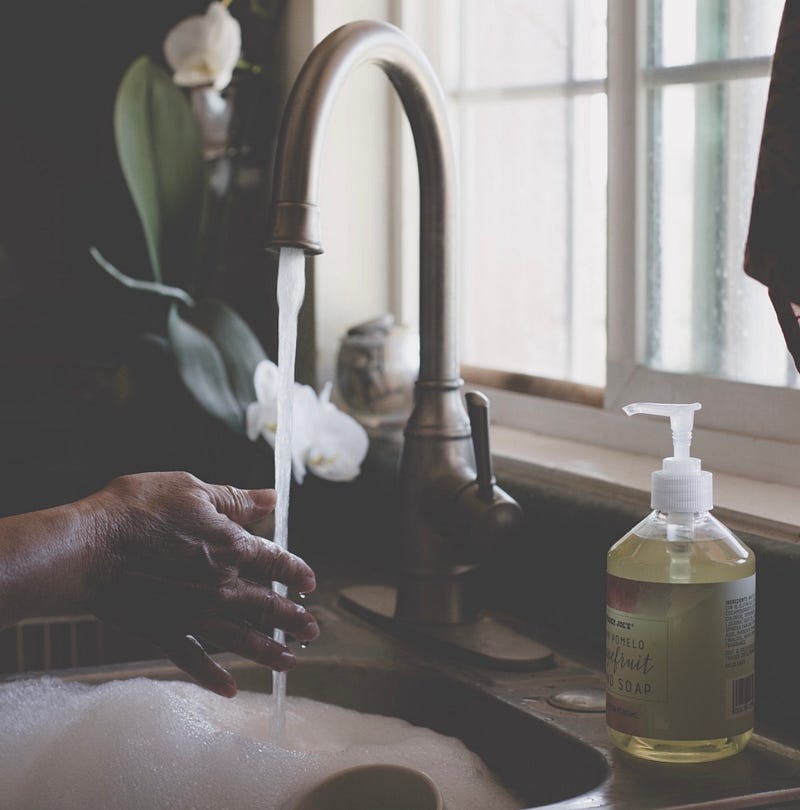
Cleaning can become a dreadful and tedious task for some. I actually find it quite engaging.
Cleaning can bring a sense of calm into our lives, and a clean environment means a healthier mind and body.
When you wash the dishes, really engage in the activity.
Feel the heat from the water, and the thickness of the soap.
Do one dish at a time instead of batching it all together. And instead of focusing on what to do next, focus on what you’re doing now.
When you’re cleaning up the trash, be engaged in the activity. Search behind the dressers and under the bed.
Engage yourself with every activity on the to-do list, and relish in the sense of accomplishment with each completed task.
“Do one thing at a time. Do it slowly and deliberately. Do it completely” — Zen Things
Shower with intention
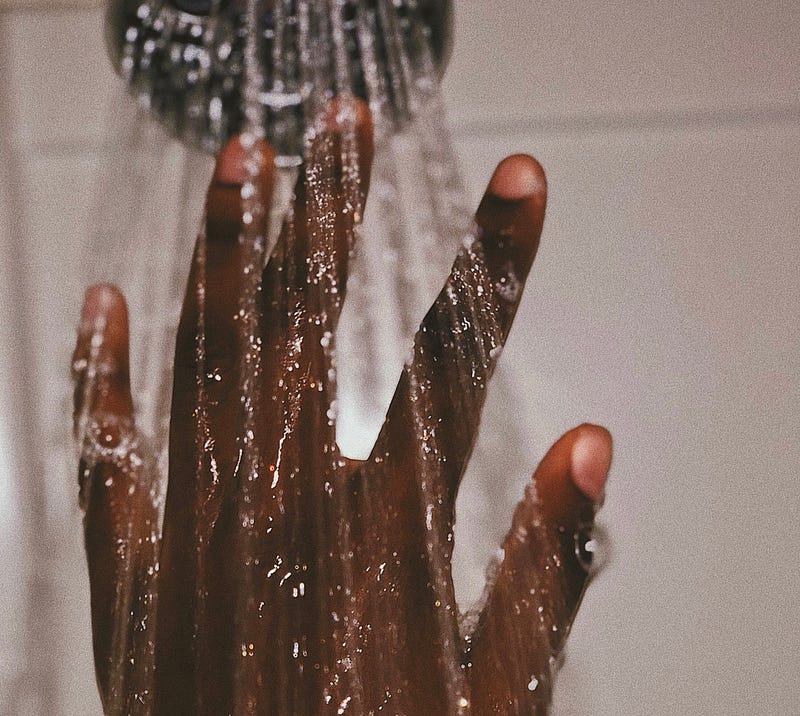
Showering is my number one activity of the day, so much so in fact that I often shower twice a day.
I used to hate showers.
It was a quick in-and-out thing for me.
It wasn’t until recently that I found myself intrigued by the activity.
I read in an article once that showering is one of the best ways to practice mindfulness meditation.
We do so by focusing on the sensations that arise in the body, with a clear intention to wash every nook and cranny. Feel the feeling of the heat and the pressure from the water.
Wash in between your toes.
Take this time to focus on you and the present moment. Don’t think about what to do next, what you did yesterday, or who you’re going to spend the day around. Just focus on the sensations that arise, and if you find yourself drifting away, just slip back into the sensations in your body.
“Be mindful of the wave of pleasure as the warm water washes over you, mindful of the smell of the shower gel or shampoo.” — Headspace.com
My Cold Shower Method
If you really want to gain some momentum with your mindfulness practices, heed my advice.
Take a cold shower.
I say this because following this practice has definitely impacted my ability to be mindful
Follow my previous mindfulness practice of being engaged while you shower. Take your standard hot shower, feeling the sensations that arise. Though, during your last two to three minutes, start taking some deep breaths.
Follow your breath, be engaged with it, more so than the shower itself. Then, around your tenth deep breath in, crank the water to cold — all the way.
It’s really important to continue following the breath here.
You may be tempted to gasp, and probably will more than once. Just return to the breath. Try and create a steady pattern, in and out.
Your body’s going to start shaking, and you’ll begin to tense up.
Following the breath keeps you centered, as you focus on the heat in your tummy, the deep inhalations, and exhales.
You can either focus on the cold, or the breath.
Count your breaths, and try to get to at least ten. Then crank the heat back on and relish in your accomplishment. Then, after about 30 seconds, or ten deep breaths, do it again once more.
I promise you, trying this practice will have an extremely positive impact on your ability to be present at the moment.
(Note) It’s best to do this method with no music.
“Take a shower. Listen to the water as it falls. Feel as it rains down upon your head. Notice the smell of your shampoo. Turn the water to cold and see how long you can last — bonus points if you can last a minute.” — mindful.org
Ride out your cravings
We all have an addiction to something.
Cigarettes, alcohol, coffee, sugar, and even shopping.
Cravings become habits, which can harm our lives.
These habits can become so overpowering, that we often do them without thinking.
What people don’t know is that you can use your cravings as a mindfulness practice.
When a craving arises, ride it out. Focus on the sensations that arise, any emotions that may pop up, and even the sense of frustration that springs forth as you hold off on your craving.
I’ve been smoking cigarettes for ten years, or at least, I used to.
Now, because of mindfulness practices, I have succeeded in ridding myself of the addiction completely.
I still have cravings even to this day, but riding them out allows me to be even more present at the moment.
“When you realize nothing is lacking, the whole world belongs to you” — Lao Tzu
Do something engaging.
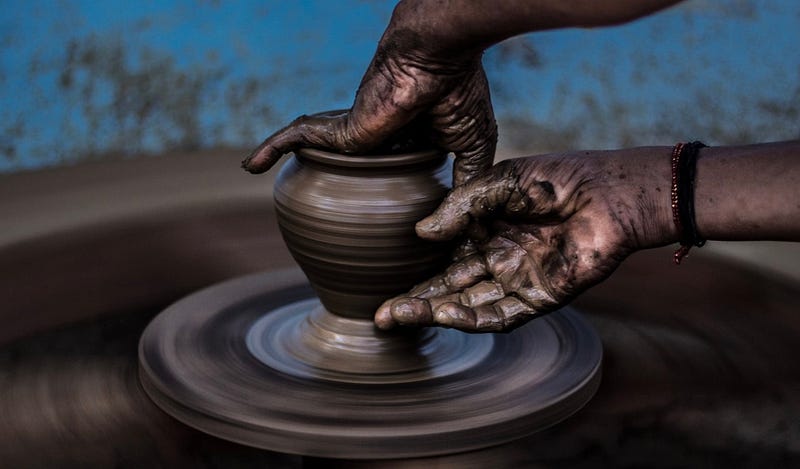
What brings you joy? What feeds your soul?
Is it reading, writing, drawing? Or maybe it’s playing sports, or hanging out with a good group of friends.
Whatever it is, do it often, and be engaged in the activity.
Don’t allow any distractions to bother you.
Set aside some decent time to partake in something that you enjoy.
Mute your cell phone, let others know that you’ll be busy.
It’s all about rooting yourself in the present moment where all good things happen.
“We have only now. Only this single eternal moment opening and unfolding before us, day and night” — Jack Kornfield
Conclusion
I hope that by now, I’ve managed to (in some way) share the meaning of mindful awareness with you.
Developing a consistent state of mindfulness takes constant practice.
Choose to adopt at least one of these practices, which I’ve shared with you.
Commit to spending ten minutes a day building the art of mindfulness. You will see an impact on your life.
Once you get enough practice, you might feel like a different person. I am indeed nowhere near the same individual that I once was, many years ago.
Your thoughts, your actions, your decisions; they all shape who you’ll be five years from now.
Do you want to be somebody who empowers others?
Would you like to be someone who takes charge and is in control of his/her future?
I would surely hope so.
“Stop holding yourself back. If you aren’t happy, make a change”
To take charge, to be in control of your life, you must develop a state of mindful awareness.
Beyond the health and mental benefits, mindfulness also allows you to discover more about yourself, your passions, your habits, even the time you waste on needless activities.
Mindful awareness will enable you to become aware of who you are and who you’d like to be in the future.
So I’m asking you now, to embrace yourself.
Love yourself, and choose to live a life of greatness.
Choose to be someone that others can look up to.
Eliminate anxiety, reduce stress, defeat depression, and live up to who you were meant to be; with a mindful (and blissful) state of mind.
This post was originally published in The Innovation

You just read another post from In Fitness And In Health: a health and fitness community dedicated to sharing knowledge, lessons, and suggestions to living happier, healthier lives.
If you’d like to join our newsletter and receive more stories like this one, tap here.


