
How To Own The Stage
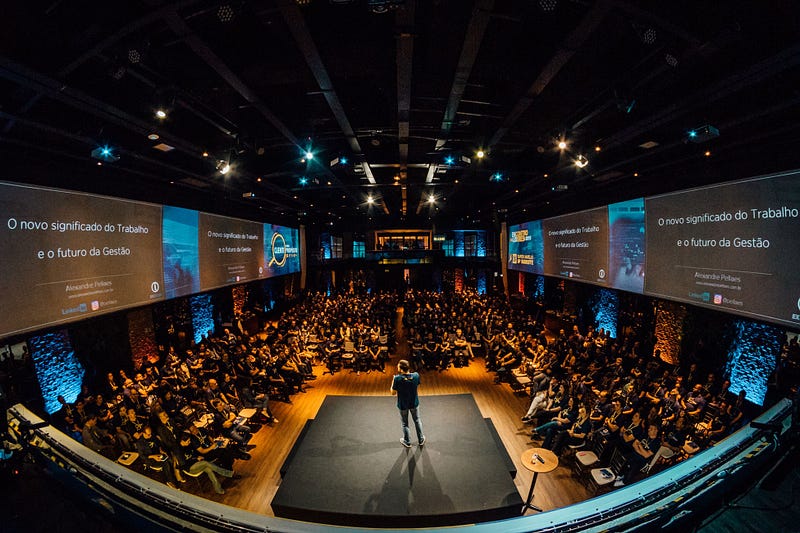
Smiles in the audience and applause loud enough to shake the room. The dream of every public speaker. Yet, so many never get to experience it. So many falter when the time comes. They jitter, mumble and fumble their way to the finish line. A lack of talent or natural charisma is not to blame. It’s a lack of preparedness.
If there’s one thing that I’m not nervous before doing, it’s public speaking. No, I’m not talking about Ted Talks. But presentations. Not everyone is in a poisiton to be on stage in front of thousands. But everyone does have to, every once in a while, give a presentation in front of tens of people. In today’s world, nailing it is imperative.
I’ve always done well in presentations. Not that what I had to say was always on-point but because whatever I did say, I said it well. If you’re good at any form of public speaking, there’s one thing you can be sure of — you’re engaging.
These are the steps that I’ve used over the years to not only remove any potential stress before public speaking but to actually enjoy it and engage my audience. So can you.
1. Write a script
No, not an outline. A script. Every single word. Not only is this is vital to help you structure your thoughts but you don’t want to leave yourself in a position where you’re thinking on your feet.
2. Memorise It
At the risk of stating the obvious, writing a script would be pointless if you weren’t going to memorise it. Going into public speaking feeling like you know your stuff is priceless. It’s going to settle a lot of pre-presentation jitters.
Besides, the last thing you want to be saying is ‘Umm.’
3. Practice practice practice
Stand in front of a mirror if that works for you. Talk to a wall. Or visualise yourself in front of an audience. Personally, I find the last one works best. If you’ve practiced talking to an audience many times in your head, doing it in real life is going to come far more naturally. Presenting out loud in isolation is also a great way to figure out if your argument flows.
Practice enough and this is a great way to stand out. The hard work will show. Your fellow co-presenters will be glancing at their notes far more often than you will. You will seem better prepared — because you will be.
4. Dress well
Appearances provide confidence. I don’t mean wear a suit even if your presentation isn’t in a business environment. But spice things up a bit. Put in that little bit of extra effort. Be the best dressed person in the room. It will make you feel like the business on stage.
5. Go first if you can
This is a personal preference but here’s why it might work for you. Have you ever come across the saying of always doing the hardest thing first? On the days where you’re feeling especially anxious, presenting first is often your best bet. You won’t have to sit in silence watching others glide through their speeches only to leave you with the pressure of having to live up to their performances. Plus, once you’re done, you’ll be far more likely to pay attention to what the next presenters are saying rather than restlessly waiting for your turn.
6. Know where to look
Eye contact can be intimidating. So what can one do other than stare into space?
Its advice that I had read on the internet years ago - Look at your audiences’ noses instead. I practiced it once and I was sold. It works like magic. It gives the audience the illusion of you making eye contact but without giving you the anxiety associated with actually making that eye contact.
When you feel like you’re more comfortable on stage, move to their eyes. It makes for a far more engaging and personal experience. When you truly make eye contact with someone, you can’t help but maintain it for a little while longer. It makes that audience member feel valued. They are being spoken to directly.
7. Move around — Let your hands do the talking
How many times have we all sat in the audience only to see someone stand on stage as if they had frozen over? Doesn’t make for a very engaging experience does it?
The key here is to be as natural as possible. Don’t go over the top. Everyone has different techniques — so experiment. But move. Being able to utilise your body language well is a solid advantage. Stand tall. Use your hands to drive your words home. If you own your space, your words will do the rest.
And please, smile! If anything, it’s going to bring out a few smiles in the audience.
8. Be cool under pressure
More often than not, you’ll be asked to go through a post-presentation Q&A. Sometimes, the person, asking a particularly complex question, will expect you to be thrown off. This is particularly the case for lawyers in court. A judge will often interrupt you and take you on a completely different tangent. Ironically, the following is advice I got from a judge during a mock trial.
Take a deep breath. Have a sip of water. Pace yourself. Taking a moment to collect your thoughts goes a long way. If anything, you’re going to come up with a far better answer than you would have if you had rushed it.
It seems pretty simple. But the reality is it’s easier said than done. We’re always in a haste to get these uncomfortable experiences over and done with. But, and logically speaking, if we’re doing them anyways, might we not as well try to do them well? And if you’re worried about how pausing may make you come across to the audience as if you don’t know anything, your dazzling answer will make them forget about it.
Not to mention taking a second will be telling the questioner that you care about giving them the best answer you possibly can. Making a good impression with your audience is what it’s all about.
Holding your own under pressure is, however, a skill that is only attained with practice. The next time you’re in a Q&A, try taking a deep breath before you answer and notice the difference. Worst case scenario — the answer couldn’t possibly be worse than if you hadn’t taken a moment to think it through.
9. Fake it till you make it
Say what you say — even if it’s utter baloney — with conviction. When I was presenting an update on my (non-existent) research for my thesis, I didn’t even have a working title. It still went far better than my expectations. How? By being honest yet choosing my words carefully. Even if you haven’t done majority of the work yet, you can tell the audience that it’s in the pipeline. But you have to say it with conviction. You have to tell them how it’s going to fit in the grander scheme of things. As if it’s all part of your plan. Because the fact of the matter is — if you don’t come across as believing in what you say, how can you expect your audience to?
Parting Thoughts
As is the case with many things in life, you’re only going to get better with repetition. But that doesn’t mean you can’t see a drastic improvement from day one. It sounds cliché but you have to go on stage believing that you can get the job done — and that belief stems from confidence.
Simply doing the work beforehand will give you all the confidence you need. That confidence will in turn allow you to perform at your best in order to engage your audience. You’ll begin loving it so much by the end that being asked to present again will do nothing but excite you.