
How to Overcome the Pain of Regret So You Don’t Waste Any More Time
A double murder ended my career.
“Look, you can see her through here,” the officer I took over from told me. The Constable gestured towards a gap in the curtains, and I looked before my brain registered what he meant.
The window was dirty, and the room dark, but even in the dim lighting, it looked like an abattoir. Blood was everywhere — splattered across the walls and ceiling.
It was early evening, and I’d been tasked with guarding the crime scene of a brutal double murder where the suspect had killed himself. I’d be there for at least 12 hours at the back of a dank communal building.
My eyes honed in on the disheveled bed. I saw the body of a young woman. I couldn’t see how she died, but the room was wrecked, and there’d been a violent struggle.
I wanted to be anywhere in the world but here.
The other bodies were behind frosted glass and included a baby. I saw the culprit being carried out. He’d overdosed on pills and appeared to have died much more peacefully than his victims.
I’d made a rookie mistake and forgotten my watch. I noticed a train track nearby, so I judged the time by when the trains stopped and started again. I spent 13 hours there, alone with the dead, in eerie silence. The sickness I felt in my stomach was peppered with anger as another resident of the communal block threw wet tissue at me throughout the night. I assumed the tissue was soaked with water, but you never know.
I returned to the station a broken man. I’d suffered manageable PTSD for a long time, but now the pain had overwhelmed me. I began crying before I started work and had more sick days. I was sure that if I came across another horrific incident, I wouldn’t survive.
After a few days, I told a Sergeant I needed out. I had to quit being a police officer on medical grounds. A 10-year Depression ensued, which took me to the brink of suicide. I struggled to function and lost some of the most crucial years of my life. I wrote about this period here.
I’ve recovered more than I ever thought possible, but I’ve had many regrets. Regret at ever joining the police and regret at all those wasted years under the shadow of mental illness. The regret was causing me to waste even more of my life. I needed to find a way through.
You have to feel the pain.
I tried to push the regret away. The feeling was too powerful. But when you deny negative experiences, they come back with increased vigor.
I used alcohol to suppress the pain, but drinking only worsened things. My rock bottom came when a bouncer threw me out of a nightclub with his hand around my neck. I managed to stumble a few yards before collapsing into an alleyway.
As I lay covered in vomit, the occasional good Samaritan would stop to ask if I was ok. Thankfully no one assaulted me, as I would have been powerless to stop them.
Another time I was in a club when I started to hallucinate. Everyone around me seemed to be dying, and I couldn’t find the exit. Eventually, I emerged, breathless, onto the street with my confused friend behind me.
Alcohol became a problem in its own right.
You may use technology, food, or drugs to distract from your pain. Identify your denial mechanism, and the next time you catch yourself turning to your vice for comfort, do something different. Notice what happens in your body and mind without judgment.
Describe to yourself how regret feels. Use this as info to ascertain the root cause.
Regret feels like a gnawing agony in my stomach that radiates throughout my body. My mind berates me — reminding me that I should have known how bad a career in the police would be, and I could have spent all those years writing. What a lack of self-awareness I must have!
I remind myself that I’m still alive and better than ever.
A bad action doesn’t always make you a bad person.
My dad used to tell me I shouldn’t be a police officer. I was too sensitive. Before I joined the police, I remember driving back home after a walk with our dog, and we found a freshly killed pheasant in the road — my dad's favorite meat. He planned to take the unfortunate bird home, prepare and eat it. But I was in tears. I cried over road kill.
Can someone who cries over roadkill ever be suitable to deal with the immense horror of police work?
Why didn’t I listen to my dad? Why didn’t I have enough self-awareness to see the problem? I must be a pig-headed idiot.
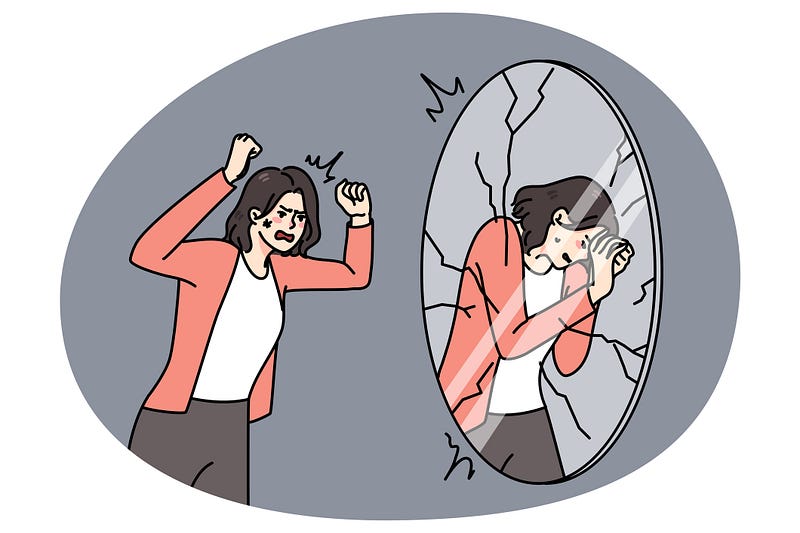
I overcame this self-recrimination by noticing when I slip into this negativity and how it sounds. You may even want to name the critic and consider how your foe might look. This way, you notice the next time they pop up, and you can ask yourself if that inner voice makes you a better person.
Imagine a caring person from your childhood. Someone who might say to you, “Yes, you did something wrong, and there are consequences, but I still love you as much as ever.” Treat yourself as this person would treat you.
Stop taking a specific, regrettable action and expanding it to encompass your sense of self. A bad action doesn’t often mean you’re a terrible person.
Does your regrettable behavior cancel all the positive things you’ve done? Can you learn from this experience?
See the bigger picture. Many factors influenced your regretful decision, yet you only see one cause. What happened may not have been down to you. Even if it is, you might have been ill or desperate.
Reframe your experience.
Now you’ve accepted your feelings of regret, what can you do that’s consistent with who you want to be as a person? Write these down and devise a plan to act on them.
I love writing. I wish I had started 20 years ago, but I’ve started now, and writing aligns with who I want to be.
Sometimes we idealize scenarios that don’t come to pass. But how do you know an alternative decision would have been better? No matter how minor, choices can cause all kinds of unintended consequences.
If I hadn’t joined the police and experienced a long battle with mental illness, what would I write about? I may not have any authentic experiences or the confidence that comes from dealing with horrific scenarios. I’d be a different person, and not necessarily for the better.
Ask yourself how big a deal your regret will be in a year from now. Other people notice you less than you think. People are more concerned with their problems and often judge you less harshly than you judge yourself.
Get creative.
Most people with regret hide. I spent most of my depressed ten years living with my mum and dad in my bedroom.
But opening up can help how you feel and bring you closer to others. Just like I’m doing now by sharing my regret with you. You might want to try writing 20 minutes each day for a week. You don’t have to publish. Just write.
If you benefit from writing, you might want to share your work with someone you know will be supportive. Then you could talk to them about your regret, which may strengthen your relationship. This leads to more confidence to speak in depth about your regrets.
Avoid a conversation focusing solely on negatives, such as why you did something or how wrong everything is.
It’s never too late to find your calling.
After years of hell, I now lead a comfortable life. I can sit in the comfort of my home, writing on one screen and trading stocks on another. My life is a far cry from guarding murder victims in the dark and being assaulted with wet tissue.
I could have been here 20 years earlier, but I’ll never know how that would’ve looked. The butterfly effect is unpredictable, and I may not have become the “me” I know today.
And I quite like me.
Click here to join my Substack newsletter about recovering from mental illness, by a former police officer who has overcome PTSD, Depression, and Schizophrenia. Featuring regular Q&As from experts and survivors.