
How to overcome the fear of flights
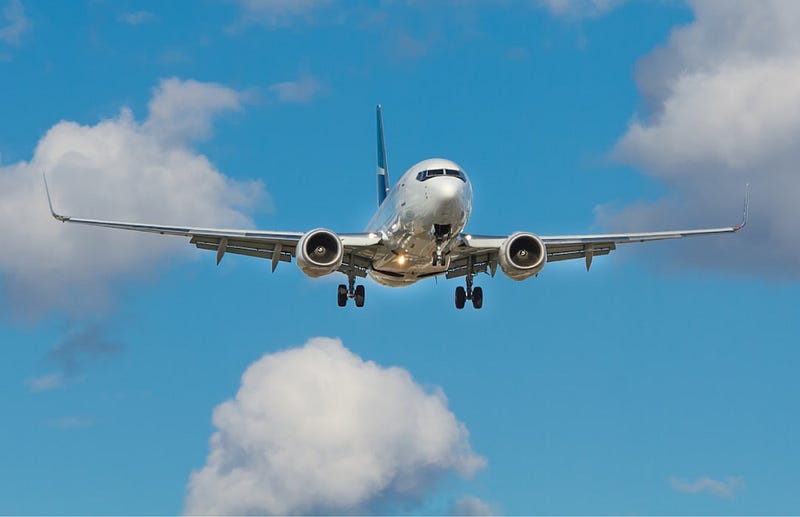
If you’re here, that means that you’re where you should be. You are not the only one that has or had this issue. It took me a while to control this fear.
Everything started with one flight. It wasn’t the first time for me, it was like the 10th, but the fear was as intense as the first time. We got on the airplane, we sat down on our seats and, after a short period of time, I started to have a panic attack. I was with my fiance and I started telling him to call somebody, in order to stop the airplane. I was so panicked without any reason, actually. I felt my body sweating, the temperature started to be higher and everything around me scared me. For a few minutes, I believed that the airplane would crash and, like everybody, I was scared of death. The issue here was that the airplane engine hadn’t started yet. My fiance asked me to look at the window because we were still on ground. That shocked me more. My brain exploded: how is it possible to feel that the airplane has crashed, but it never took off? That was a very important moment for me. Only then did I fully understand that all of it was only in my head and I should try to control it somehow because it’s not good for me and for the others around me.
My first advice for you would be to do it only when you’re ready. If you are under others’ pressure, then don’t do it. That means that you will be too stressed and you won’t be able to relax at all, because you don’t desire to do it yet. The whole fight should start with you. It’s your battle, not theirs.
One in four people are scared of flights. Are you one of them and you want to change something? It’s not an issue. I understand your fear, because I had it, but trust me, it’s only in your head and you’ll be able to overcome this obstacle. You should have a little chat with yourself and try to understand why you are so scared.
After you have a full comprehensive image of how a flight should be, then look at the steps below that you can follow in order to have a better experience during your flights:
- Educate yourself about how airplanes work and the safety measures in place. This can help you understand that flying is actually a very safe mode of transportation.
- Be hydrated and fed up – don’t stress your body more, try to be relaxed before getting up on the airplane
- Avoid caffeine and alcohol before and during the flight, as they can increase anxiety.
- Distract yourself during the flight by listening to some music or reading a book during the flight, whatever helps you with it.
- Don’t choose a flight that takes too much. You need to start with baby steps; after you’ll be OK with short flights, you can go on a connecting flight or longer ones.
- Whenever you feel that you might lose control, practice relaxation techniques like meditation or breathing deeply
OK, OK, OK. I haven’t convinced you yet. You’ll say that even if you manage to fight with your fear, flying with an airplane is not safe. I tended to believe that in the past, but it is so wrong. According to research by Harvard University, flying in the US, Europe and Australia is actually significantly safer than driving a car. Your odds of being in an fatal accident during a flight are 1in 10 million. However, the odds of dying in a car accident were 13,4 in ten million in 2020. This means that the average person would take a flight every day for over 10,000 years before being in a fatal airplane accident.
If I haven’t convinced yet that it’s safe to travel by airplane, look at the arguments below:
- Modern airplanes are built with multiple redundant systems, which means that if one system fails, there are backup systems in place to ensure the safety of the passengers.
- Airplanes undergo regular maintenance and inspections to ensure that they are in good working order.
- Pilots are highly trained professionals who are required to undergo rigorous training and testing before they are allowed to fly an airplane.
- Air traffic controllers are responsible for directing the movement of planes and ensuring that they are kept at a safe distance from each other.
- There are strict regulations in place to ensure the safety of all passengers on an airplane.
Remember that it’s okay to feel scared and that it’s natural to have some anxiety when doing something new or unfamiliar. With time and practice, you may find that your fear of flying decreases.
How did you manage to overcome this fear? What are your advice? Add them in a comment.
Thank you for reading my article. Your feedback is well received: drop your thoughts, give a round of applause and subscribe ! If you want to join Medium, here is my referral. Let’s grow together!
P.S If you want to say thank you by buying me a coffee, you can do it here.


