Be Like The Cellist of Sarajevo to Overcome Fear
- Or the Italian balcony singers
Music is contagious, but in a good way
Worry. Uncertainty. Fear. Our world is changing. Rapidly.
Take heart. Music is not susceptible to the Coronavirus. It doesn’t need six feet of distance to send out its message. It doesn’t emanate sweat or spit or any unhealthy fluids when it floats on the air. And it will always survive. No matter what else happens, music will lift our spirits and soothe our souls.
Music, like creativity, is contagious. Pass it around. It’s a good kind of infectious because it spreads positivity and hope.
Surround yourself with it.
Communal music soaring forth from the balconies of the world
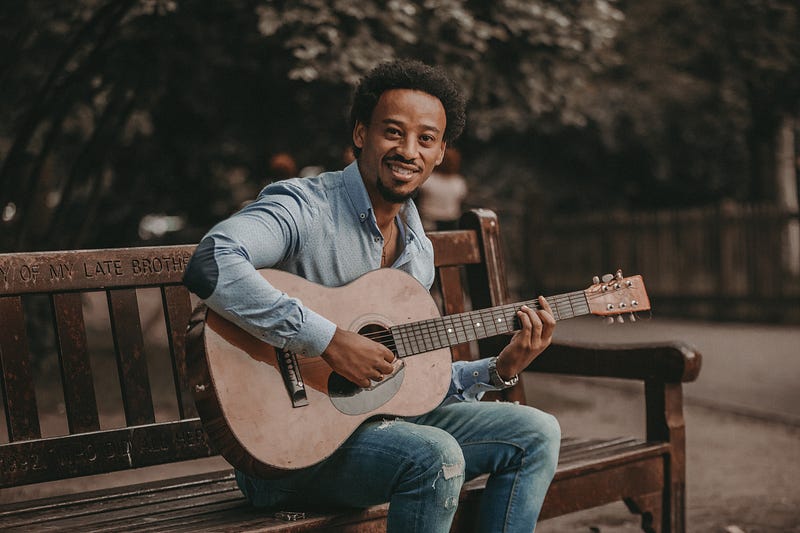
In case you didn’t hear about it, all over the world, cameras are documenting how humans can lift each other up by creating music. On balconies across the globe, people are lifting their voice in song, playing instruments, dancing and exercising to the beat of informal jam sessions.
And everyone is smiling. It started in Italy, the home of high fashion, great food, and opera. You can’t help but grin when you see video clips of Italian balcony singers. You’ll feel better knowing that people all over the world are joining in jamborees with every type of instrument to make music. Opera. Pop. Improvisation. Rhythm. Trumpets with tambourines. Guitars and flutes. Voices with violins.
Music therapy works
- One study suggested that listening to music can decrease anxiety by 65%.
- Other research theorizes that music relaxes muscles, minimizes stress, and helps build community.
- In one study, surgical patients who listened to music before and after their procedures needed less sedative, reported less discomfort, and required less pain medication.
- You can even sing your fears away with a vocal app called Songify.
Yes, scientific studies prove music is beneficial, but studies are dry and don’t elaborate on music’s connection to the human soul. Music unlocks the hope in our hearts and pushes it through our veins.
The Cellist of Sarajevo
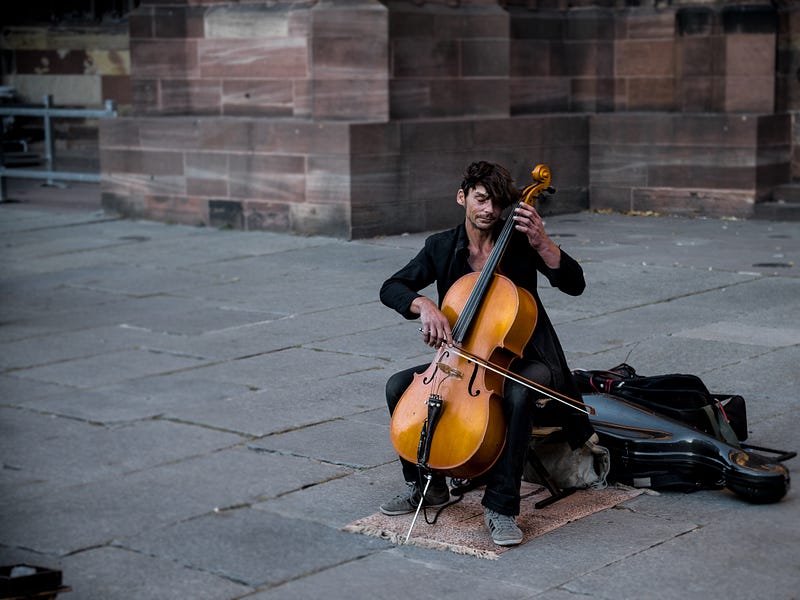
If you want to witness the power of music in a time of crisis, read The Cellist of Sarajevo by Steven Galloway.
Based on a true story, the novel takes place in war-torn Bosnia where a man watches 22 of his friends standing in a bread line when a mortar attack kills them all. Every day at the same time, he takes his cello out to the square, at great personal risk to himself. But the ritual of playing every day for 22 days is a memorial for the people who died.
The novel incorporates the viewpoints of three other characters who are drastically affected by the man’s courage, his defiance of danger, and most of all, his music. The Guardian describes it like this:
“They are worn out with war, fearful of what will become of them and their loved ones. Only the cellist and his music bring hope — hope that mankind is still capable of humanity, that the old world is not completely lost, that the war has not destroyed everything. —
In my own book journal, I recorded these thoughts about Galloway’s book:
“the power of the book was that it showed the real horrors of a city under siege, the deadening and the de-sensitizing of souls, the loss of thousands upon thousands of lives in a siege that lasted four years and killed more than 150,000 people. But in spite of all that tragedy, it gave hope through music.”
The publisher, Random House, described the power of music to people who were hurting:
A novel of great intensity and power, and inspired by a true story, The Cellist of Sarajevo poignantly explores how war can change one’s definition of humanity, the effect of music on our emotional endurance, and how a romance with the rituals of daily life can itself be a form of resistance.
Our war right now is a war not against other nations, but against a new and dangerous virus that’s hitting our own homeland. It’s a different kind of war altogether. But if we could all be like The Cellist of Sarajevo, bringing music to those who need it, defying fear and spreading hope, we’d be a lot less anxious.
Piccolo on your patio. Drum in your doorway. Harmonize down your hall. But don’t be afraid.
Music buoys us, boosts us, and bolsters us.
It’s the best weapon we have against fear.