
How to Master the Art of Saying ‘No’
My Guide to Setting Boundaries for a More Fulfilling Life

Have you ever found yourself saying “yes” when you really wanted to say “no”? Maybe it’s agreeing to take on extra work when your plate is already overflowing, attending an event you have no interest in.
We’ve all been there.
The struggle to say “no” can be real, but learning this art can unlock a world of freedom, balance, and true fulfillment.
Imagine this: You’re at work, and your boss asks you to take on yet another project, despite your workload already stretching you thin.
Your initial reaction might be to say yes, fearing that saying no could jeopardize your job security or reputation as a team player.
However, what if I told you that saying “no” could actually empower you and lead to a more fulfilling life?
The Power of Saying ‘No’
Saying ‘no’ isn’t about being selfish or uncooperative; it’s about setting boundaries and honoring your own needs and priorities.
It’s about recognizing that your time, energy, and resources are valuable and finite, and it’s okay to protect them.
Imagine your time as a precious currency that you can only spend once. Every time you say “yes” to something, you’re essentially investing that currency.
Therefore, it’s crucial to invest wisely, ensuring that the commitments you make align with your goals, values, and well-being.
The Fear Factor
So, why is saying “no” so difficult for many of us?
One word: fear.
Fear of disappointing others, fear of conflict, fear of missing out, and fear of being perceived as rude or unhelpful. These fears often stem from a desire to be liked and accepted, but they can also hold us back from living authentically and pursuing our own happiness.

It’s important to recognize that saying “no” doesn’t make you a bad person or mean that you don’t care about others.
In fact, setting healthy boundaries is an act of self-respect and self-care, which ultimately allows you to show up as your best self in all areas of your life.
The Art of Saying ‘No’ with Grace and Confidence
Now that we understand the importance of saying “no,” let’s delve into how to master this art with grace and confidence:
- Be Honest and Direct: When declining a request, be honest about your reasons for saying no. You don’t need to make up elaborate excuses or apologize excessively. A simple, “I appreciate the offer, but I’m unable to commit at this time,” can suffice.
- Use ‘I’ Statements: Frame your response using “I” statements to take ownership of your decision. For example, instead of saying, “You’re asking too much of me,” say, “I feel overwhelmed with my current workload.”
- Offer Alternatives (If Appropriate): If you genuinely want to help but can’t fulfill the request as it stands, consider offering alternatives that align better with your capabilities and boundaries.
- Practice Assertiveness: Assertiveness is key to effective boundary-setting. Stand firm in your decision without feeling the need to justify or defend yourself excessively. Remember, you have the right to prioritize your well-being.
- Be Prepared for Pushback: Some people may not take your refusal well, and that’s okay. Stay calm and firm in your response, and don’t let guilt or manipulation sway your decision.
The Ripple Effect of Boundaries
Setting boundaries isn’t just about saying “no” to others; it’s also about saying “yes” to yourself and your own needs. When you prioritize self-care and honor your boundaries, you create space for growth, creativity, and genuine connections in your life.
Think of your boundaries as the walls of your personal castle, protecting the treasures within. Things like your time, energy, and emotional well-being.
By reinforcing these boundaries, you invite respect, trust, and harmony into your relationships, both professional and personal.
Embracing the Freedom of ‘No’
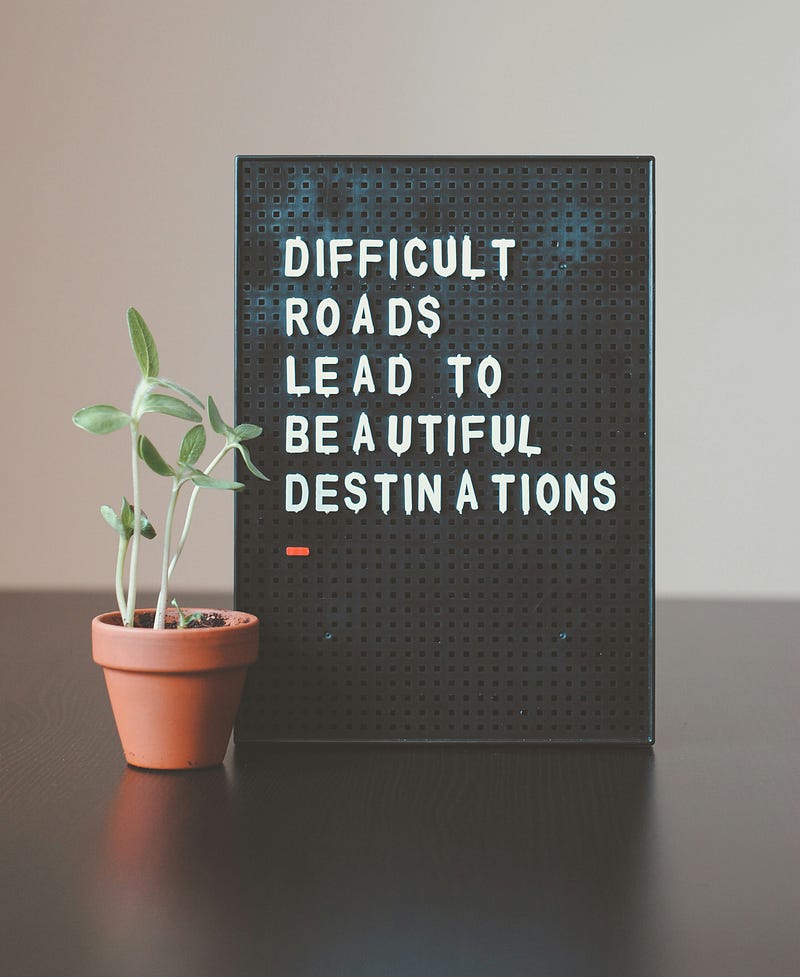
As you embark on your journey to master the art of saying “no,” remember that it’s a skill that takes practice and patience. You may encounter setbacks along the way, but each refusal is an opportunity to reaffirm your values and reclaim your power.
Embrace the freedom that comes with setting boundaries and prioritize your own happiness and fulfillment. Your time and energy are precious commodities, and it’s up to you to decide how to invest them wisely.
In conclusion, saying “no” isn’t a sign of weakness; it’s a declaration of self-worth and autonomy.
By learning to say “no” with grace and confidence, you pave the way for a more fulfilling and balanced life. One where your needs are honored, your goals are pursued, and your heart is light.
So go ahead, dare to say “no” when it’s necessary, and watch as your life transforms in beautiful and unexpected ways.
Remember, the most fulfilling journey begins with a single word: “no.”
If you’re interested in reading more of my content, I encourage you to follow me on this platform. I write about a variety of topics including personal development, productivity, and creativity. I hope my articles can provide you with new insights and inspiration. Subscribe Here
Here are some of my best stories:


