
How To Make Friends As A Digital Nomad
It’s easier than making friends “in the real world.”
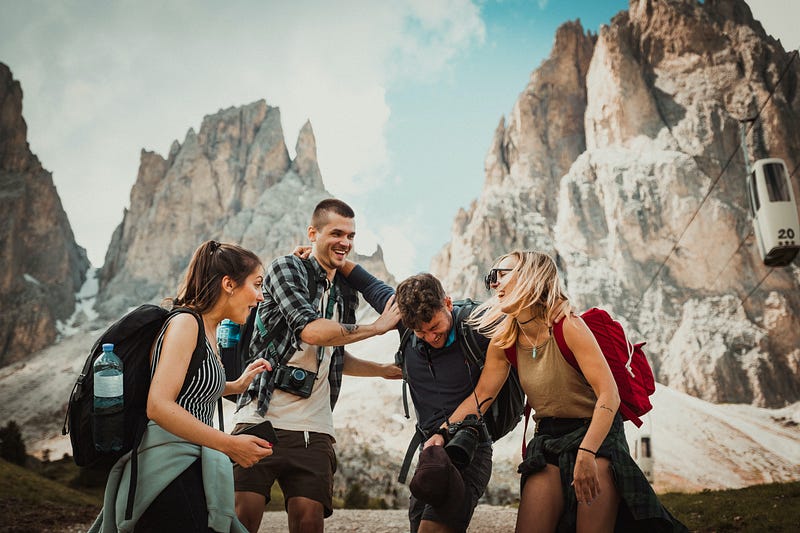
Friends can make you happier than anything else. They provide us with support, laughter, comfort, knowledge, fun, empathy and so much more.
In fact, not having close friendships can be just as destructive to our health as smoking.
Yet when chatting with my friends who live more typical lifestyles, they have complained to me that as they’ve gotten older, they’ve found it harder to make friends.
Time and trust appear to be the biggest obstacles.
As adults, we are more self-aware than we were as kids, so it takes us longer to open up to a new friendship.
We also have less time. One scientific study reports that it takes 50 hours of quality time together to go from being an acquaintance to a casual friend; 90 hours to become a regular friend and then 200 to become a close friend.
“Life is partly what we make it, and partly what it is made by the friends we choose.” — Tennessee Williams
One of the best things about being a digital nomad is that you are constantly making high-quality friends who support you through all the ups and downs of navigating a new country. This is because:
- When you arrive in a new country where you literally know no one, you are forced to be more open and vulnerable, allowing you to more easily make friends.
- Since we work remotely, we don’t have to commute and usually have more flexible working hours. We also are more likely to be single and childless. This combination of factors means that we have more time to invest in friendships.
I’ve heard of other types of travelers who complain that the friends they make while abroad are only temporary, but if you stick to the digital nomad lifestyle, you often meet up with your friends in other destinations around the world.
For example, I just moved to Barcelona three weeks ago. One of my friends here I met 10 years ago in New Zealand. Another friend is from Guatemala, but we’ve also hung out in Colombia and Mexico. Two of my friends from when I was living in Mexico now live in Barcelona. And I have at least 5 other friends who have told me that they are coming to visit this summer.
When you’re a digital nomad, you tend to go to similar destinations (those that are fun, affordable and have good Internet) so you run into each other all the time.
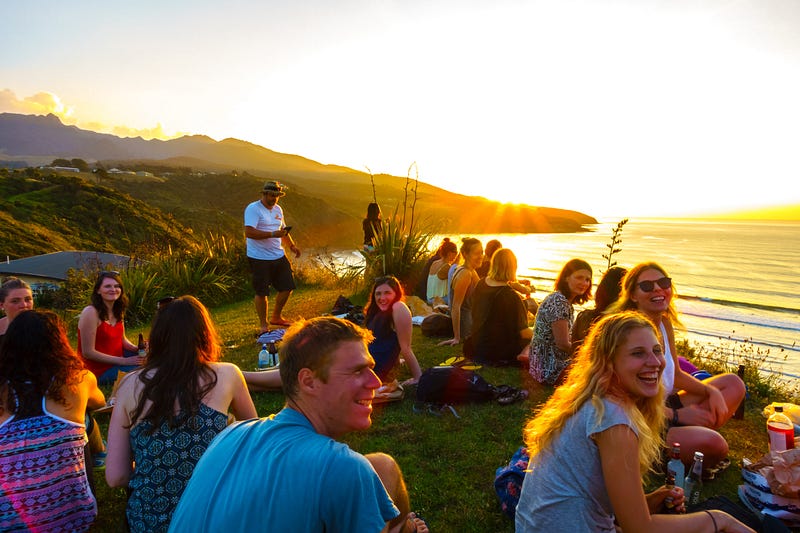
You can even plan to travel, live and work together!
As a first-time digital nomad, though, making friends can be a bit tough.
Here are a few places to meet new friends.
Facebook Digital Nomad / Expat Groups
This is always one of the first places I look to learn about a destination and make friends. They are FULL of really useful information such as accommodation, visas, co-working spaces, and local politics.
They are also a great way to meet people. I’ve seen lots of people introduce themselves with an invitation to coffee, lunch or a concert. I’ve done it myself to meet other scuba divers when I first arrived in Playa del Carmen, Mexico.
The groups are also a good way to find out about local events such as language exchanges, networking get-togethers, or even stand-up comedy nights in English.
WhatsApp Groups
In case you’re living in the US or Canada where WhatsApp isn’t common, this is a popular messaging app. There can be groups of up to 500 people, usually focused on meetups or around a particular activity.
Personally, I have been in many diverse WhatsApp Groups that organized taco walls, volleyball matches, scuba diving trips, crypto talks, salsa classes, and networking for entrepreneurs, but there can be many other themes. It’s the perfect way to meet people who like to participate in the same activities as you do.
To join, you have to be invited. If you already know people in the destination, you can ask them for recommended Groups. Otherwise, I suggest searching through the Facebook Digital Nomad and Expat Groups.
Meetup App
This app allows you to sign up for different events in cities around the world (or online). Some are weekly events like salsa night or a co-working day. Others could be hiking trips or entrepreneurial presentations.
Usually, you have to RSVP to the event. Download the app here.

Co-working Spaces
Co-working spaces are essentially membership-based workspaces where freelancers, remote workers, entrepreneurs, start-ups, and other small businesses can escape the loneliness of working from home.
Oftentimes, there are private offices, open desks, phone booths, meeting rooms, free coffee, networking events, and presentations.
Each co-working space I’ve been to has a very different feel. For example, Impact Hub, which has worldwide locations, is usually very laid back and full of people who want to make a difference in the world, whereas La Maquinita in Buenos Aires is extremely social with free drinks every Friday night.
According to the Harvard Review, people who work in coworking spaces thrive more than people in regular office spaces because they feel that their work is more meaningful, they have more job control and feel part of a community.
Sounds like a good reason to join one!
Co-living Spaces
Co-living spaces are a community-based living concept for people in their 20s to 40s. They are usually centrally located and fully furnished with common kitchens, living areas, workspaces and maybe even a pool or gym.
Tenants are not tied to long leases and the constant rotation of people leads to enriching new friendships and networking opportunities.
Catering to different styles and tastes, co-living spaces can be anything from four-bedroom apartments to entire buildings with several stories and dozens of residents. They’ll often arrange activities such as yoga classes or Sunday dinners, giving you lots of opportunities to bond with others.
Follow these tips and in no time at all, you’ll have dozens of friends from around the world!
Get access to an unlimited amount of stories and join Medium for only $5 a month (or less if you consider the yearly subscription plan). On Medium, you will find good quality content on almost every topic you can think of. Click here to sign up: https://medium.com/@JuliaGuerraSlater/membership. This link is an affiliate link, meaning I earn a small commission when you sign up to Medium using this link at no extra cost to you.