Facing Death, Celebrations Become Meaningful
Fighting back tears on my birthday inspired me
My family was never into celebrations. The children are growing; they passed exams; they got into good schools, mum and dad stuck together for another year longer. In the blink of an eye, Christmas comes and goes, and we need new calendars. Just acknowledge them and move on.
But from last year, we took every holiday and recognised every minute achievement seriously.
My father was diagnosed with metastatic lung cancer. Now, everything counts. Every birthday we can huddle together, each singular festive event — we do traditional whatnots and make authentic festive delights as a close-knit family. Life got difficult, so appreciating what we had gave us hope. We admire all achievements as they come.
Back in high school, my friends took my birthday very seriously. Better times of the year to be born in are perhaps mid-to-late September, mid-December, or mid-to-late June. Any time else, people would be busy with their studies and artistic performances and sports competitions, or simply have forgotten about the birthday slipped silently between the many festivals and holidays we have.
I was born on the nineteenth of September. School would have resumed for around a fortnight, and people would be slowly acclimatising to the stress of school. Yet despite the deadlines and tests piling up, they still would have enough fun in them to chew down some cake.
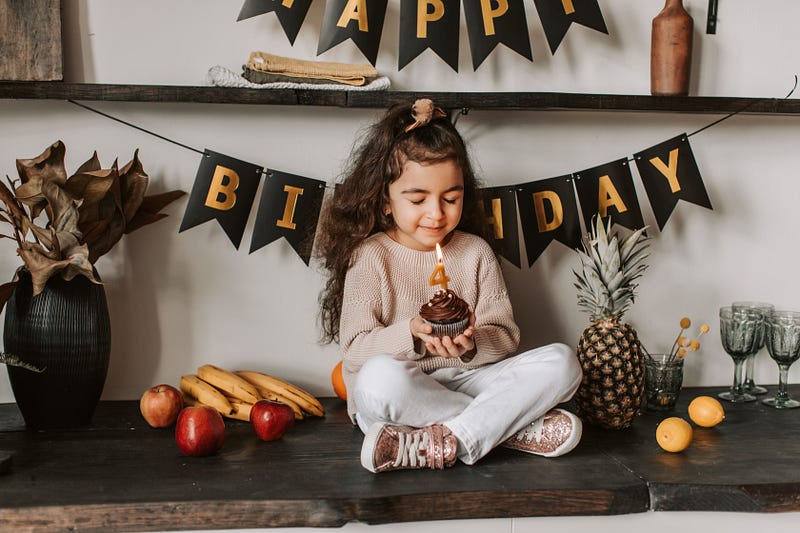
I have had my fair share of birthday surprises. Throughout my schooling, 12-inch cakes, Chinese birthday buns, and even McDonald’s pancakes have appeared during lunch, in the middle of two-hour-long lessons, or even on my way for a toilet break. Once, I ran headfirst into what I thought was the dark, deserted changing room, only to be received by a cream puff at face level, and my friends belting the birthday song in stagnant air. But I would have at least expected something in the day — never have I been struck by birthday surprises.
Yet this time, my birthday was nothing I could expect.
Perhaps it was me practising mindfulness, or simply a sixth sense I magically got by turning eighteen. Instead of feeling cheery in colourful hats and fluttering confetti, I was holding back tears for most of the ceremonial rituals. The chocolate cake that my mother and I baked was rich and spongy, matching the delicately layered chocolate mousse on top. It was delicately decorated with chocolate icing, which soothed the bitterness from the mousse for a brief moment, until it dissolved away. That, combined with my birthday wishes for more opportunities like this, nearly made me tear up.
A single time point does not justify celebrations. More important is the duration of time in between each event, those mundane days and trivial nights we worked through to reach certain milestones.
Graduation ceremonies do not mark the point someone leaves school — we should rejoice over the past six years of solid work and the beginning of a new chapter. Wedding anniversaries do not commemorate the wedding held so and so years ago — it reminds us of the youth parents sacrifice for their young. Birthdays are pointless if we put the focus on someone being born that day — their mother’s hard work would be more important anyway — instead, it acts as a time point for reference, so we could recognise how we grew as a person in the past year, and the numerous potentials in the year to come.
Hence, the most important and meaningful celebrations are funeral wakes.
I was first introduced to this concept in the book The Giver. Upon one’s death, their achievements and contributions to their family and community are remembered and memorialised. Instead of wine and songs and happiness and fine dining, the ceremony pays respect to life itself, inspiring people to appreciate the ordinary man, and their contributions to humanity. After all, we are all but cogwheels of a machine that we could only try to understand.
Many may think celebrations are pointless. Yet only upon your epiphany to observe events beyond the week or the month and appreciate the time leading up to celebrations would you learn to be fully present in them. They serve as reminders to appreciate our efforts, even if no tangible reward has been reaped. Depending on your view of it, it can be a nutritious learning opportunity for yourself.