
How A Man Called Ove Changes from Bitter to Lovable
3 tactics used by Fredrik Backman
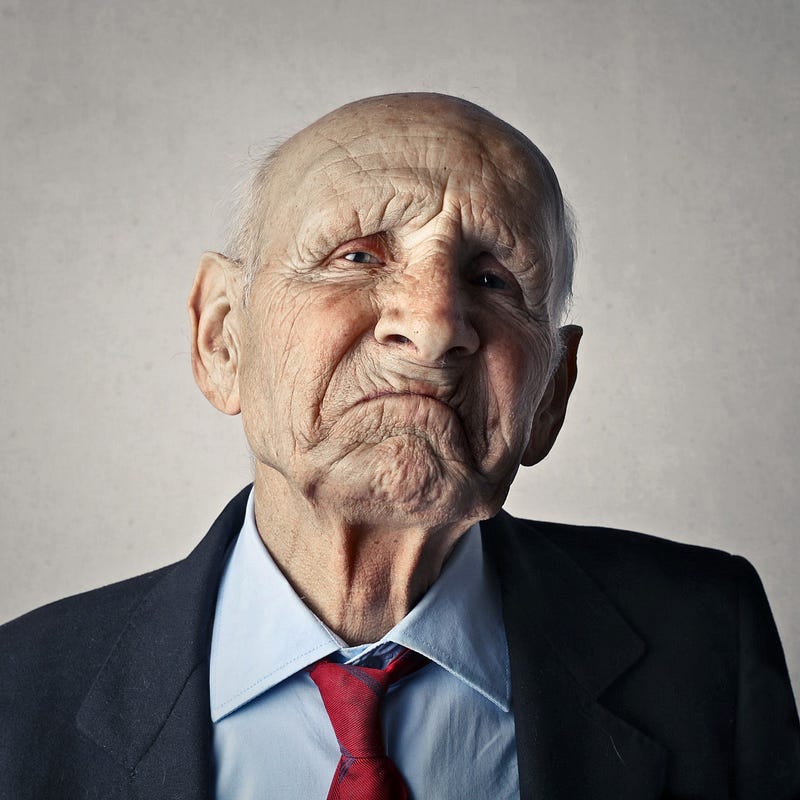
The first few pages of Fredrik Backman’s novel, A Man Called Ove, almost made me stop reading. The main character, Ove, was just so darned snarly. He
“points at people he doesn’t like the look of, as if they were burglars and his forefinger a policeman’s flashlight.”
He looks at a helpful sales assistant
“as if he has spoken backwards…”
In a world where rudeness is rampant, why would I want to immerse myself in more bad behavior? But I’m nothing if not persistent, and I rarely stop reading a book without giving it a chance to prove itself. That decision was one of the best literary decisions I made. I kept going, never believing that I would fall in love with a grumpy curmudgeon like Ove.
What’s wrong with Ove, anyway?
Ove is a 59-year-old man dealing with intense grief after the death of his wife, Sonja. He wants to commit suicide, but every attempt is accidentally interrupted by the neighbors who know nothing of his state of mind.
The interactions with his neighbors, acerbic and angry at first, evolve into some unexpected relationships. My book journal recorded my reactions:
“I knew this book had gotten a lot of hype, but I had no idea how much I would LOVE it. It’s charming. It’s quirky. It’s about grief and loneliness, community, and one very grumpy guy named Ove.
At first, all we see is a curmudgeon, biting everyone’s heads off. Then we see his story and begin to understand…”
Backman’s relationship with Ove
The author of A Man Called Ove is Fredrik Backman, a Swedish man born in 1981. He dropped out of college and took a job driving a forklift so he would have time to write. He became a freelancer, writing columns for a Swedish magazine called Cafe.
The plot of A Man Called Ove came from reading a colleague’s blog detailing an incident at a local ticket office when a man named Ove got extremely angry, rudely raging at the clerk until his wife intervened. When Backman’s wife told him that living with him was like living with that man called Ove, Backman acknowledged she was right. He’s not socially competent, doesn’t know how to handle his emotions, and isn’t comfortable with people. Backman started writing a column of his own called, “I Am a Man Called Ove,” and his fictional character was born.
In addition to understanding Ove’s personality, Backman uses three tactics to do the seemingly impossible: turn this snarly character into a loveable man.
1. Backman explains Ove’s pain and bitterness
It’s hard not to empathize with someone who feels intense pain. As the story progresses, we see episodes in Ove’s life that have made him what he is.
His father, and the main person in his life when Ove is sixteen, and that’s the day that Ove just stopped being happy. His only choice is to go to work every day, dropping out of school to support himself. He spends all his time and energy going to work every day and uses his wages to fix up the dilapidated old house. A series of events destroys everything he works for. He is wrongly accused of theft, buys insurance from a con man, and ends up losing his home. But he keeps going, eventually finding his one and only love, Sonja. When she dies, the one person who had ever understood him, Ove loses the will to live.
Seeing that pain in Ove’s past makes him — if not loveable — at least understandable.
2. Backman gives Ove a moral core
Ove always does the right thing.
Yes. He’ll grumble about it. He’ll complain. He may fling insults and drag his feet, but Ove will do the right thing. Backman helps us like Ove a little more when we see that he is guided by a sense of right. He attempts to pay back an overpayment of his father’s wages after he died. He runs into a burning building to save a life. He agrees to look at his neighbor’s radiators.
The kernel of goodness within Ove softens our attitude toward him. Maybe he’s not a bad guy, after all. We see that his gruffness is just a mask that covers the heart inside.
3. Backman illustrates the depth of love Ove is capable of
Isn’t everyone a sucker for a good love story? Once we are given a glimpse into the intense love Ove had for his wife, Sonja, we see him as less of an asshole. Who couldn’t love a man who thinks about his dead wife like this?
“Of all the imaginable things he most misses about her, the thing he really wishes he could do again is hold her hand in his. She had a way of folding her index finger into his palm, hiding it inside. And he always felt that nothing in the world was impossible when she did that. Of all the things he could miss, that’s what he misses most.”
“And when she giggled she sounded the way Ove imagined champagne bubbles would have sounded if they were capable of laughter.”
“And that laughter of hers, which, for the rest of his life, would make him feel as if someone was running around barefoot on the inside of his breast.”
And finally, in a beautifully crafted chapter, Backman starts with a saying from Sonja:
“She believed in destiny. That all the roads you walk in life, in one way or another, ‘lead to what has been predetermined for you.’”
Backman skillfully ends that chapter by focusing on how that saying reflected the depth of Ove’s love:
“She often said that ‘all roads lead to something you were always predestined to do.’ And for her, perhaps, it was something.
But for Ove, it was someone.”
Ultimately, Backman creates a character who becomes loveable because he is capable of love. Ove thinks,
“…if anyone had asked, he would have told them that he never lived before he met her. And not after either.”
Ove won the hearts of readers everywhere
In spite of one publisher telling Backman,
‘We like your novel, we think your writing has potential, but we see no commercial potential” —
A Man Called Ove has sold almost 3 million copies, been translated into 38 languages, was reprinted 40 times, made into a major motion picture, and was on the New York Times Bestseller list for 42 weeks.
Ove is a difficult man, but like so many of us, in spite of our flaws, there is goodness. People relate to a story about how one person’s goodness affects the lives of others.
Backman followed A Man Called Ove with several other novels: Beartown, My Grandmother Asked Me To Tell You She’s Sorry, and Britt-Marie Was Here, and others.

If you liked this, you might enjoy these:


