How to live when you want to die
Learning how to live is hard…especially when you want to die.

by: E.B. Johnson
I’m no stranger to wanting to die. I was three years old when I first became acquainted with the idea of death as something associated with me. My uncle had just molested me and he told that if I told anyone, he would “kill my mother and my father”. Then, he promised, he would come for me.
The idea of death came up again when I finally opened up about it to my parents. One half of the equation believed my story, but the other half…not so much. I was four years old by then and remember thinking very clearly to myself, “It probably would be better for everyone if you were dead,” (while I listened to them scream at each other across the living room).
Death is a fearful concept, but the more it comes to haunt your life, the more of a comfort it can become. I survived my ordeal and went on to suffer even more catastrophes that opened the door of death into my life; but I overcame them and learned how to live a life that was fulfilled if not free of the specter of death
It’s hard to live when you’re consumed by the thought of death and the promise of relief it can offer from the traumas of living. Learning to find meaning in the madness is the secret to happiness, though, even if it seems like an unreachable task when you’re stuck in the mire and the muck.
The difference between wanting to die and being suicidal.
I know there will be some of you reading this thinking, “Girl, you’re suicidal. Get some help.” While wanting to die can definitely be a dangerous state of mind, I would argue that it is not the same thing as being suicidal.
When we’re suicidal, our brain and our state of being are out of sorts, out of flux with one another. It takes your brain from the realm of fantasy into the realm of action, and that’s where we find the free-fall state that leads to some truly heartbreaking disasters.
Wanting to die does not put you in a state of eminent danger, nor does it cause you to picture your own death obsessively — as suicidal ideations might do. Rather, it’s an immovable state of being, a lethargy that just never leaves; sinking in until it’s soaked us to our souls, sucking the fight right out of us.
Suicide focuses on the specifics while desiring deaths tends to focus more on a state of just not existing any more. It’s not so much about any one thing or purpose and more about a permanent sense of malaise that doesn’t seem to ever go away. Being suicidal means wanting relief from that specific moment or event; wanting to die means wanting release from it all in general.
Learning how to live when all you want to do is die.
It took me a long time to accept that this new longing for death was a piece of me. Just like all the other facets of my eccentric personality, I came to understand that my macabre need for release required the same unbridled acceptance that every other ugly part of me needed.
When I learned how to accept this blemish on my character, I came to see that there were things in life that still made it worth living…even though Death was always there waiting for me.
Reconnecting with the world.
I realized my desire for death was strongest when I was cut off from the things and people that made my life more colorful and rich for the living.
When I allowed myself to be absorbed in work or toxic relationships or any other worldly thing, I let go of all the passions I had once held and with every one of them a piece of what made me, “me”.
By reconnecting with the world and the people in it, we can reconnect with those passions and find ourselves again — piece by piece. Death is a welcome bedfellow when we fill unfulfilled in our daily lives. The more excited we can get about existing, the less we’ll long for the quiet arms of permanent release.
Honor yourself by honoring your needs. Reconnect with the things that add color and vitality to your every waking second.
Death is coming for each and every on of us, so there’s no excuse not to enjoy the right here and now. When we feel like there are no other solutions, the odds are we have just been facing the world the wrong way. When we look for love, connection and affection outside of ourselves, we often find that life is a lot more beautiful than we ever gave it credit for.
Finding the meaning.
There are a million articles out there that will promise to tell you the meaning of life. There are even more that will demand you find it yourself before unlocking the secrets to the universe.
Society tells us that in order to exist we must have a reason to do so (even though we don’t make the choice to be born). Our parents echo those sentiments, pounding it into our heads as we struggle to fulfill their ideals of a perfect child.
When we walk around, feeling like our lives lack meaning, it can quickly draw us to designs of death in a way that is neither comforting nor healthy. It’s a release from the pressure; an escape, a way out. You might try to fight the feelings by looking for that meaning you were promised existed.
You won’t find it, though. Because the meaning doesn’t exist.
The only meaning in life is to enjoy it. There is no grand purpose, no design other than enjoying the ride and doing everything you can to better yourself while you’re on it. Life is hard and it’s full of good and bad things which spill out of Cup of Fate in unequal measure. We cannot control them, but we can embrace them and choose to see the good in them however they come.
You don’t need to throw away your life’s possessions or commit yourself to a religious order to reconnect with something that can give you purpose. Your purpose can simply be to exist in the here and now, where there is so much beauty and fun to be enjoyed and savored.
Learning to love and accept who (and what) you are.
We are the only ones who live this life from the beginning to the very end. Though there are those who will come and go in our lives, giving it meaning, we are the only ones who accompany ourselves to the end, and it is only ourselves that carry us over that finish line when the Reaper finally does come calling.
In order to find any happiness in this existence we’ve been handed, we have to learn how to love and accept ourselves — warts and all. More often than not, we long for the release of death because it is easier than facing our insecurities and all the things about ourselves that make it hard to look in the mirror.
By focusing in our positive qualities, we an cultivate more of them, squashing out the bad. Accepting our imperfections too is key, and coming to know in our hearts that there is no such thing as being “perfect” when you’re human.
We can learn how to live by learning to disregard what other people think of us and redirecting that negative self-talk to a more positive and reassuring narrative. We can do this thing we think we can’t do, but we have to know that from the inside out.
Learn to love and accept who and what you are brutally and honestly. Give yourself the true love you feel you were denied and transform yourself by opening up to the traumas that forged you in the fires of their adversity.
Loving ourselves is hard, and it takes a little conscious effort each and every day. When death starts whispering in your ear and society starts telling you that you aren’t enough, shut it down and give yourself a hug instead. You’re beautiful, but you have to know that — not the world.
Tips for surviving when that’s all you can do.
Sometimes, it’s too dark to look for the meaning or to reconnect. Sometimes, all we can do is survive and fight off the idea that death would be a greater comfort. For those moments, these are some of the hard and fast tips you can use to survive.
Stay in touch.
Longing for death can leave you feeling isolated. You don’t want to unload those heavy feelings on others but you feel guilty keeping all that shame trapped up inside. Even though you want to withdraw from life — don’t. Socializing can actually improve your mood and keeping in touch with friends will keep you engaged in life.
Embrace your fears.
Just because things are difficult doesn’t mean they can be avoided. When you’re feeling vulnerable, embrace the things that scare you rather than putting them off until they’re an even bigger problem.
Refusing to face up to the things that scare us erodes our self-confidence and can feel us feeling even more hopeless about our life or circumstances. Even if there’s nothing particularly wrong in your life, refusing to face up to your fears will only escalate the feeling that something is wrong.
Eat healthy.
You might be surprised how much our diet can impact our mood and drive. When we’re depressed or dwelling a lot on death, we can see things like eating as pointless and lose our appetites. On the flip side, we can also use food to satiate the negative or uncomfortable emotions we’re struggling with, which leads to binge eating and a whole other host of unhealthy disorders.
Eating healthy is one of the quickest ways to reverse our mood and give ourselves the energy boost we need to keep pushing.
Establish a routine.
Poor mood and a desire to die can make us lose motivation for even the simplest of tasks. Our sleep patterns can get interrupted by these thoughts and even the way we take care of ourselves. Being depressed or feeling hopeless isn’t a joke, but it can be helped by establishing a routine.
Get up at a normal time (even when you don’t want to) and stick to a normal routine as much as possible. Having a regular routine with regular meals and habits can comfort us and allow us to focus our energies on things that can help us crawl out of our negative funk.
Carry on as normal even when everything feels like it’s crashing down around you. They say “fake it ’til you make it” and the same is true for happiness and normalcy. Keep going through the motions and you’ll get there. It’s just going to take a little while.
Keep a journal.
Coming to find the meaning in life has a lot to do with knowing yourself, your emotions and how you react to the adversity in your life. Keeping a journal is a great way to gain insight on your internal state and also a great way to keep track of your emotions and how they affect you.
Spend a few minutes each night detailing the events of your day and how they impacted that way you felt. Record anything that makes you feel uneasy or “down in the dumps” and don’t be afraid to dig deep to get to the root of your problems and your fears.
Going internal is a rough going, but it’s necessary if we’re going to dig our way back up to the surface. Journaling is a great way to gain insight into who you are and how you tick, but it’s another commitment that has to be made each and every day. Honesty is key.
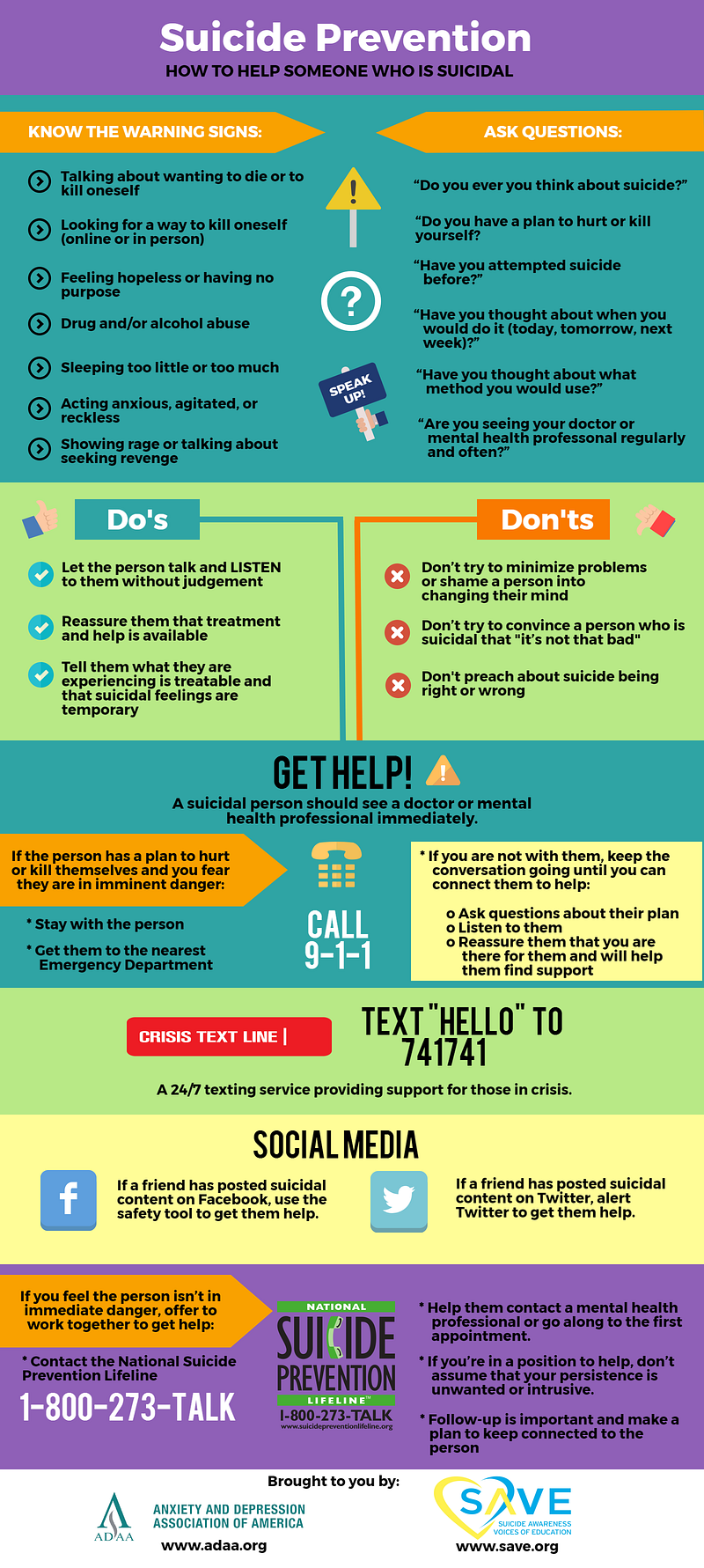
If you’re feeling suicidal:
If you’re feeling suicidal, the first thing that you should know is that there is no shame or guilt you should associate with this feeling. Sometimes, our feelings are too much to handle and they overwhelm us. That’s just human nature, and there’s no shame in reaching out to someone who can help you find that light again.
Find someone you trust and let them know where you’re at and how you’re feeling. Learn to know the warning signs and learn to reach out when something isn’t right with you (or someone you love):