avatarWam

Free AI web copilot to create summaries, insights and extended knowledge, download it at here

3382

Abstract

d at the moment, and then the next thing is they’re cooking.</p><p id="5f1f">Some Okinawans would go out into the sea to go fishing all day.</p><p id="8005">Ikarians, on the other hand, go to their garden to pull the weeds or harvest food and work there until mid-afternoon.</p><p id="4f9a">They would walk twenty hills a day to tend to their goats or other farm animals they have.</p><p id="141f"><b>They exercise not to get fit or get healthy; they work to work and earn the benefits of having an active lifestyle.</b></p><p id="4e98">What can you do?</p><p id="a563">“What am I doing? I’m so American!” That’s what my American friend told me to explain why he walked instead of driving for 2 minutes when he came over to get something from my car a couple of days ago.</p><p id="7eb1">The parking lot where I am was just 0.3 miles away from his apartment, a 6-minute walk.</p><p id="a5d2">His decision exemplifies what we can do when faced with the same situation. That is if we want to live longer.</p><p id="786f">Walk when you can!</p><h1 id="d025">3. It’s not about being completely Vegan</h1><p id="dd54">Although you don’t have to be completely Vegan, your diet still involves a lot of vegetables.</p><figure id="759f"><img src="https://cdn-images-1.readmedium.com/v2/resize:fit:800/1*[email protected]"><figcaption>Photo by Frames For Your Heart on Unsplash</figcaption></figure><p id="68c0">What did the Ikarians eat?</p><p id="1ee1">It looks like this.</p><ul><li>Homegrown plant-based food.</li><li>Honey endemic to their area.</li><li>Goat’s milk that they milked from their own goats.</li><li>Unheated olive oil.</li><li>They eat fish twice a week.</li><li>Less meat, which is only about five times a month.</li><li>Less dairy products, which are mainly just made out of goat’s milk, produced by their goats. That’s it.</li><li>And each night, they would drink their locally produced wine or the ones they made or made by their neighbor.</li></ul><h1 id="a71b">4. Freedom from time</h1><p id="1a0f">Most of the blue-zone centenarians don’t have clocks or don’t need one.</p><p id="f4f7"><b>They don’t check the time.</b></p><p id="86cc">This means they are not in a hurry all the time. They wake up naturally when they feel that they need to wake up.</p><p id="3562">They even stay up late and sleep when they finally need to.</p><p id="c64f">One thing about them, though, is that they also take their naps every day.</p><p id="cf18">And those are the reasons why they are less likely to get a cardiovascular disease.</p><h1 id="d84b">5. Close relations</h1><p id="a0a7">We worry a lot about our privacy because we care about a lot of things. And that is the very reason why we’re so stressed.</p><p id="d491">For blue zone centenarians, privacy seems to be not that important.</p><p id="ce21">I’m not saying that the centenarians don’t care. They actually do, but not in the way that we usually do. They don’t care about material things like we do; they mainly care about their community.</p><figure id="e444"><img src="https://cdn-images-1.readmedium.com/v2/resize:fit:800/1*[email protected]"><figcaption>Photo by Sergiu Vălenaș on Unsplash</figcaption></figure><p id="ba3d">You would see them often surrounded by either family members or the people involved in their community, like neighbors or religious groups.</p><p id="ad7b">It is a

Options

lso common to experience having a party each night in Ikaria.</p><p id="9c92">What a lovely, relaxing life.</p><p id="66b9">If you noticed, the way of life of a centenarian is centered on having a healthy heart without focusing on having a healthy heart.</p><p id="9b96"><b>No, they are not anxiously setting goals and plans because Ikigai and Plan De Vita are just the way they are.</b> <b>It’s who they are.</b></p><p id="e40f">No, they don’t care about exercising because they want to stay healthy. Constant moving is just their way of life. And they reap the benefits of it, although they are not doing it for the benefits. <b>It’s the way they are.</b></p><p id="e429">No, they don’t care much about their diet or how it will affect their body. They eat whatever is available in their backyard.</p><p id="483c">Who they are, or how they treat each day of their life, because of the habit they formed through constant, unchanging actions, gave them back an accidental benefit or a miracle that, to most of us, would be hard to achieve.</p><h2 id="a1a2">Would you like to commit to the way of life of a centenarian?</h2><p id="25d5">Your neighbor,</p><p id="dbd1">Wam</p><h1 id="95b7">Resources</h1> <figure id="9744"> <div> <div> <img class="ratio" src="http://placehold.it/16x9"> <iframe class="" src="https://cdn.embedly.com/widgets/media.html?src=https%3A%2F%2Fwww.youtube.com%2Fembed%2FerSmSrLeIvQ%3Ffeature%3Doembed&amp;display_name=YouTube&amp;url=https%3A%2F%2Fwww.youtube.com%2Fwatch%3Fv%3DerSmSrLeIvQ&amp;image=https%3A%2F%2Fi.ytimg.com%2Fvi%2FerSmSrLeIvQ%2Fhqdefault.jpg&amp;key=a19fcc184b9711e1b4764040d3dc5c07&amp;type=text%2Fhtml&amp;schema=youtube" allowfullscreen="" frameborder="0" height="480" width="854"> </div> </div> </figure></iframe></div></div></figure><div id="9fa0" class="link-block"> <a href="https://www.nytimes.com/2012/10/28/magazine/the-island-where-people-forget-to-die.html"> <div> <div> <h2>The Island Where People Forget to Die (Published 2012)</h2> <div><h3>Unraveling the mystery of why the inhabitants of Ikaria, an island of 99 square miles that is home to almost 10,000…</h3></div> <div><p>www.nytimes.com</p></div> </div> <div> <div style="background-image: url(https://miro.readmedium.com/v2/resize:fit:320/0*edObSjQnoFzexzq1)"></div> </div> </div> </a> </div><div id="81a5" class="link-block"> <a href="https://linktr.ee/thirtywam?fbclid=PAAaag2XFJ4JiH359dF_tvcxYkzWQZRsXZpg_5DJq5yDIxFr8z0Vy5ywiigqc_aem_AaRhGjHSww1_zzX1EjAzrF8XcpBtxqXnfyfr1omrlCQRsvnph5wD6TYlwLMy0hs1UE8"> <div> <div> <h2>@thirtywam's link in bio | Instagram and socials | Linktree</h2> <div><h3>Explore thirtywam's official socials, latest links, relevant content and more. Everything they do, all in one place on…</h3></div> <div><p>linktr.ee</p></div> </div> <div> <div style="background-image: url(https://miro.readmedium.com/v2/resize:fit:320/0*WEvGAx0PALXCqlEt.jpg)"></div> </div> </div> </a> </div></article></body>

How to Live Up to 100: The Secret to Adding to Your Life Expectancy

Surprisingly, there is no gym involved.

Photo by BAILEY MAHON on Unsplash

If you have a healthy heart, you will likely live longer than most people. That’s the secret to longevity.

How did I know this?

I know someone who met a centenarian. He is a centenarian who looks like he’s just in his late 60s or early 70s, working as a taxi driver in Manila just because he wants to. And he’s vegetarian.

Learning about him got me curious about centenarians, so I searched about it.
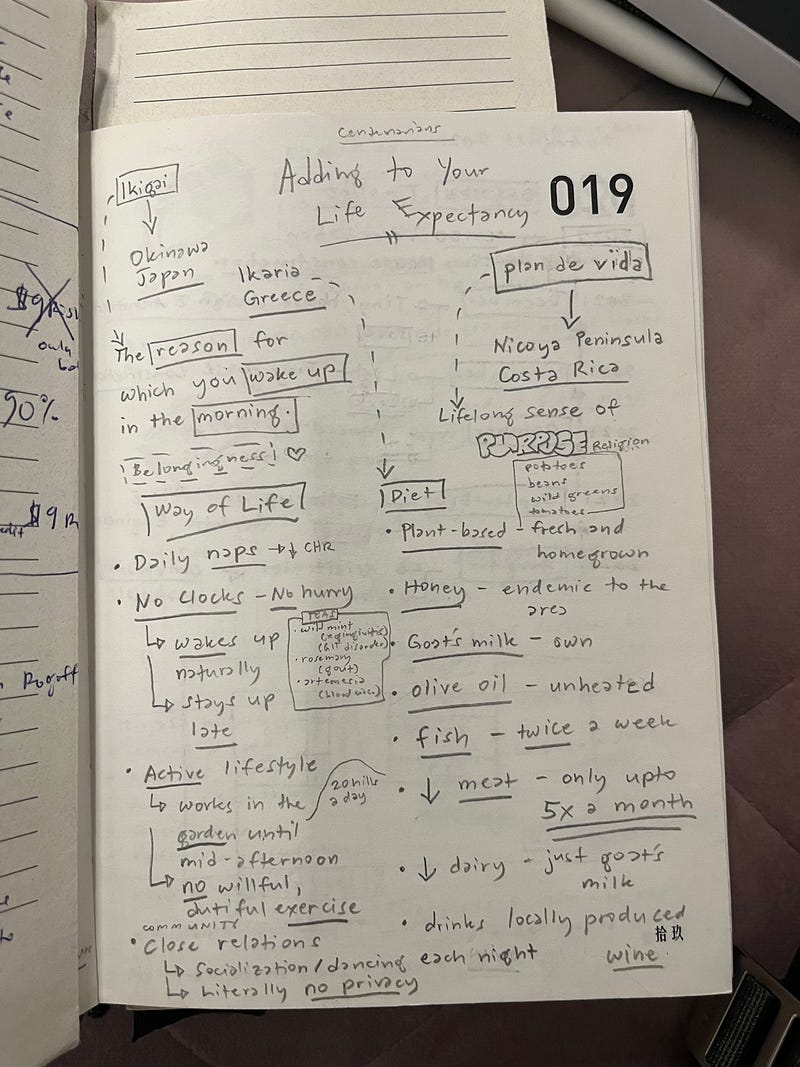
Author’s own photo. This post is derived from the author’s personal journal.

In this post, I’ll tell you what I learned from reading a NY Times article about people who forget to die and watching a documentary about the blue zones.

Here they are.

1. Ikigai and Plan De Vita

  1. What’s the reason for which you wake up each morning?
  2. Do you have a lifelong sense of purpose?

The answer to those questions is your Ikigai, practiced by Okinawans of Japan, and Plan De Vita, practiced by Nicoyans of Costa Rica.

And those two places are only a few of the blue zones I learned about.

Photo by Waldemar on Unsplash

One of the centenarians said the very reason she wakes up in the morning is to care for her great-great-grandchildren.

Another one said that the reason he wakes up in the morning is to fish, so he would go out in the sea all day to go fishing.

As you may have noticed, this is all about being goal-oriented while being in the moment.

The first secret is to treat each day respectfully and patiently, one day at a time.

2. No gym involved. Just a lot of movement.

What centenarians of the blue zones, Ikaria, Sardinia, and Okinawa, have in common is that the moment they wake up in the morning, it’s all about movement, driven by their plan de vita and fueled by their Ikigai.

Photo by Garrett Sears on Unsplash

No, they don’t go to the gym to stay fit. Doing exercise so they could exercise was never the goal.

It’s all about natural movement.

Some examples of this are the following:

  • Waking up to clean the yard, pull the weeds, and do some gardening.
  • Waking up to walk twenty hills daily to tend to their goats or other farm animals.
  • Waking up to go fishing all day.

You would see Nicoyans or Sardinians with a broom in one hand early in the morning, cleaning the yard at the moment, and then the next thing is they’re cooking.

Some Okinawans would go out into the sea to go fishing all day.

Ikarians, on the other hand, go to their garden to pull the weeds or harvest food and work there until mid-afternoon.

They would walk twenty hills a day to tend to their goats or other farm animals they have.

They exercise not to get fit or get healthy; they work to work and earn the benefits of having an active lifestyle.

What can you do?

“What am I doing? I’m so American!” That’s what my American friend told me to explain why he walked instead of driving for 2 minutes when he came over to get something from my car a couple of days ago.

The parking lot where I am was just 0.3 miles away from his apartment, a 6-minute walk.

His decision exemplifies what we can do when faced with the same situation. That is if we want to live longer.

Walk when you can!

3. It’s not about being completely Vegan

Although you don’t have to be completely Vegan, your diet still involves a lot of vegetables.
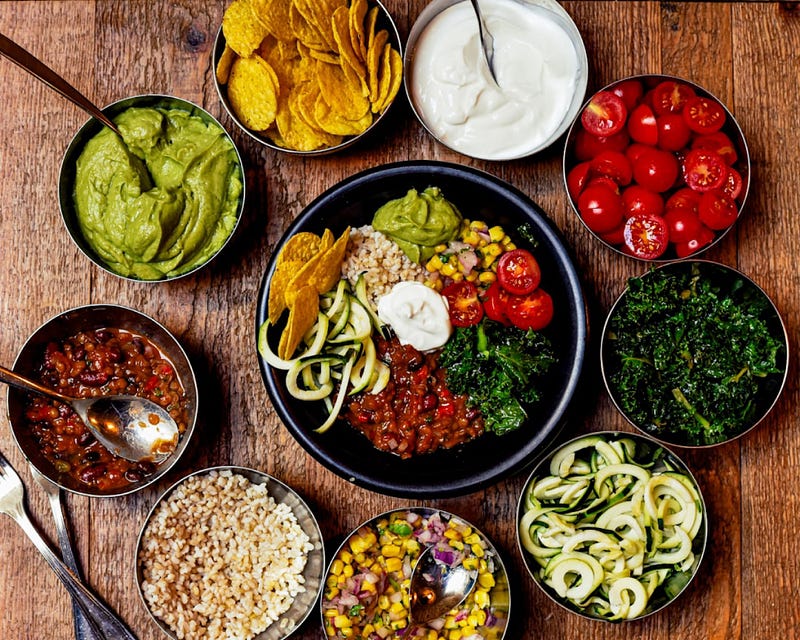
Photo by Frames For Your Heart on Unsplash

What did the Ikarians eat?

It looks like this.

  • Homegrown plant-based food.
  • Honey endemic to their area.
  • Goat’s milk that they milked from their own goats.
  • Unheated olive oil.
  • They eat fish twice a week.
  • Less meat, which is only about five times a month.
  • Less dairy products, which are mainly just made out of goat’s milk, produced by their goats. That’s it.
  • And each night, they would drink their locally produced wine or the ones they made or made by their neighbor.

4. Freedom from time

Most of the blue-zone centenarians don’t have clocks or don’t need one.

They don’t check the time.

This means they are not in a hurry all the time. They wake up naturally when they feel that they need to wake up.

They even stay up late and sleep when they finally need to.

One thing about them, though, is that they also take their naps every day.

And those are the reasons why they are less likely to get a cardiovascular disease.

5. Close relations

We worry a lot about our privacy because we care about a lot of things. And that is the very reason why we’re so stressed.

For blue zone centenarians, privacy seems to be not that important.

I’m not saying that the centenarians don’t care. They actually do, but not in the way that we usually do. They don’t care about material things like we do; they mainly care about their community.
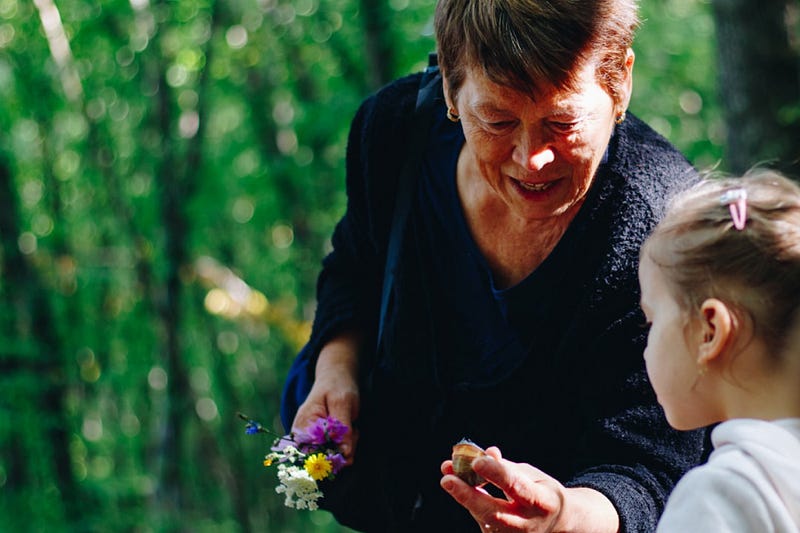
Photo by Sergiu Vălenaș on Unsplash

You would see them often surrounded by either family members or the people involved in their community, like neighbors or religious groups.

It is also common to experience having a party each night in Ikaria.

What a lovely, relaxing life.

If you noticed, the way of life of a centenarian is centered on having a healthy heart without focusing on having a healthy heart.

No, they are not anxiously setting goals and plans because Ikigai and Plan De Vita are just the way they are. It’s who they are.

No, they don’t care about exercising because they want to stay healthy. Constant moving is just their way of life. And they reap the benefits of it, although they are not doing it for the benefits. It’s the way they are.

No, they don’t care much about their diet or how it will affect their body. They eat whatever is available in their backyard.

Who they are, or how they treat each day of their life, because of the habit they formed through constant, unchanging actions, gave them back an accidental benefit or a miracle that, to most of us, would be hard to achieve.

Would you like to commit to the way of life of a centenarian?

Your neighbor,

Wam

Resources

Longevity
Blue Zones
Personal Development
Health
Habits
Recommended from ReadMedium