
How to Live Through COVID-19 With OCD
While some have had vivid nightmares during the pandemic, those with OCD are living one
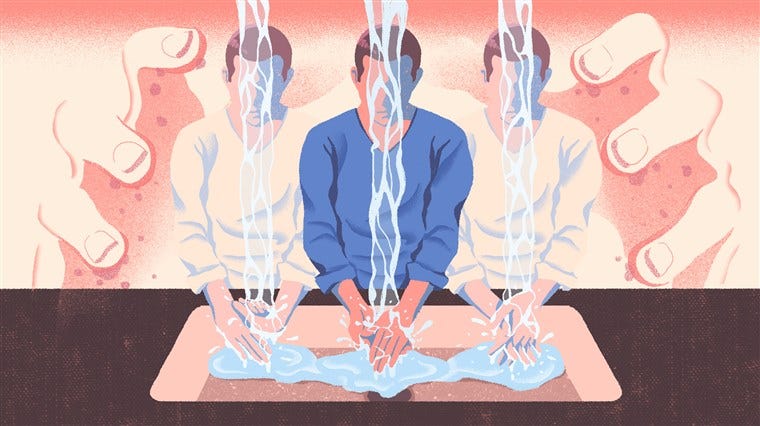
It’s no surprise an invisible disease that has infected the public with fear and uncertainty has presented a unique set of challenges to those living with obsessive-compulsive disorder (OCD). It is natural to crave the comfort that reassurance and certainty brings, but those with OCD actively seek it and struggle to accept doubt and discomfort.
There are too many unknowns about the COVID-19 outbreak that scientists are diligently trying to address. The public eagerly awaits answers to questions that continue to arise as the pandemic progresses: What are the chances I catch COVID-19? What if I’m a carrier? How long will quarantine last? Will a vaccine be ready soon?
And there are many precautions that continue to be enforced: the advice to continuously wash hands with the proper techniques, to especially wash hands after returning home, and to only leave the house when absolutely necessary. The advice to other inquiries have generally boiled down to one answer: we don’t know, but try your best to wear PPE and follow the sensible precautions scientists have recommended.
The advice we’ve repeatedly heard throughout the pandemic to address these uncertainties can trigger OCD-related fears and behaviours. Contamination is a normal fear of one living with OCD, but during a pandemic, this fear is heightened. Washing hands regularly has become a prevalent precaution, but those living with OCD may take extreme measures to enforce safety for themselves and their family by washing their hands more frequently than the “new normal” and constantly reminding their family members to do the same. They may also avoid leaving the house to mitigate the possibility of coming in contact with contaminated surfaces.
Another characteristic of OCD is the fear of harming others, whether intentionally or unintentionally. With fears of infecting both the general and vulnerable populations, those with OCD may take extreme measures to steer clear of transmitting the virus to others, such as refraining from leaving the house and avoiding all social interaction.
The advice to only leave the house when necessary may trigger panic-shopping and hoarding for someone living with OCD. Researchers deem hoarding as a disorder independent from OCD, however, it is not uncommon for those living with OCD to participate in hoarding behaviours. During a pandemic, medications, alcohol-based hand sanitizers, and toilet paper are popular items that those with OCD may collect and hoard.
With the abundance of news coverage on COVID-19, we’ve all been actively trying to stay educated and updated on the pandemic and its effects. People with OCD, however, are more likely to constantly refresh news sources for novel information. This action is likely to heighten the anxiety they are already experiencing.
The COVID-19 pandemic has really enforced the importance of physical health, but it is equally important to keep our mental health in check. We could all learn coping strategies to deal with anxiety during the pandemic, but here are some especially important recommended ones for those living with OCD:
Therapists encourage those with OCD to consider reminding themselves that if nobody went outside or came into their house, there is no need to engage in disinfecting surfaces and repetitive hand washing. Hand-washing should be limited to 20 seconds after the following:
- Going outside
- Before eating
- Going to the bathroom
- Coughing, sneezing, or blowing the nose
As it is normal to fear the exposure to the virus that comes with leaving the house, wearing the proper PPE and washing your hands helps mitigate the spread of the virus and is as much as you can do to protect yourself. Going for walks while maintaining social distancing is a coping mechanism that helps one maintain a healthy lifestyle and doesn’t put them at high risk of contracting the virus.
To overcome hoarding, one doctor suggests to ask yourself not whether you can use the object, but whether you will. To help answer this question, you can probably live without an object if you haven’t used it in over a year.
The American Psychological Association (APA) recommends everyone who finds themselves checking the news more frequently than normal to set a limit for themselves. Checking the news once in the morning and once at night can help to mitigate the anxiety surrounding important updates.
It’s so important to take care of not only our physical health, but mental health during a global pandemic. I’m no doctor; these coping strategies have all been taken from online sources, but I’ve found them especially helpful in relieving anxiety, doubt, and distress.


