avatarSelen Kucukarslan

Free AI web copilot to create summaries, insights and extended knowledge, download it at here

1895

Abstract

f hitting 100% completion? It’s magnetic.</p><p id="5784">In digital apps, it’s a tool to nudge users toward the finish line — onboarding or task completion.</p><p id="a211">Even bigwigs like Apple and Google employ progress bars for this very reason.</p><figure id="4d9b"><img src="https://cdn-images-1.readmedium.com/v2/resize:fit:800/0*6Ml7-meR2JMiLyXB.png"><figcaption>Source: Apple Watch</figcaption></figure><p id="559c">When we added a progress bar to the onboarding flow in a casual game app, we saw <b>a swooping</b> <b>2X increase in the first session completion rate📈</b></p><p id="10a3">It was with percentages but you can also use “steps” as an indication of progress: Step 1.. Step X.</p><p id="b01d">You just need to find which approach works better for your product :)</p><h1 id="38a7">2. Supercharge CRM Communications</h1><p id="ac31">Notifications bombard us constantly.</p><p id="0318">Users rarely glance at them, even from their favorite brands.</p><p id="ad6d">So, we need to think of smart and unorthodox ways to capture users’ very limited attention.</p><p id="a02e">With that spirit, I have set up an A/B test of <b>an email subject line with a question mark vs. the same line without a question mark</b> for a ride-sharing app.</p><p id="5c0a">The assumption was that users would unintentionally like to answer the question or in other words, react to the message.</p><p id="e25e">The result?</p><p id="4dc1">👆<b>Open rates were +20% more</b></p><p id="120f">👆<b> Conversion rate was 50% higher</b> for the email with the question mark vs. no question mark version.</p><p id="a32a">But wait, there’s more! For push notifications, consider <b>a cut-off text to arouse curiosity</b>.</p><figure id="907f"><img src="https://cdn-images-1.readmedium.com/v2/resize:fit:800/0*sz1qVyOsP58tkilf.png"><figcaption>Source: SkyNews</figcaption></figure><p id="4028">News portals

Options

use this to engage audiences, but it’s often deemed risky in CRM due to product quality concerns.</p><p id="3efa">Here, it is important to think about our motivations and psychological concepts to come up with counterintuitive ideas with high returns :)</p><p id="c219">I deviated from the norm and tested the following:</p><p id="184a">A push notification ending abruptly versus one with a complete offer duration.</p><p id="d608">Again the assumption is that users would like to have the closure so out of curiosity, they would be clicking on the message.</p><p id="c987">And since they are already in the app, they are more likely to complete the transaction — double need for closure :)</p><p id="4be6">Result?</p><p id="c915">👆<b>A 40% increase in conversions</b> <b>over three days!</b></p><p id="7175">It’s a bit bold, but it pays off, especially for time-sensitive or aggressive offers.</p><p id="495b">It did not work in all countries, bear in mind, but it worked in many.</p><p id="c933"><i>It was a risky move but worth it with the return.</i></p><h1 id="1c35">Wrap-up</h1><p id="8586">Creating ideal user experiences that is also profitable for your business does not come with buzzwords like gamification but comes with emphatic marketing where we connect psychology & marketing closer together.</p><p id="7eb5">I have presented two main ways to benefit from the need for closure.</p><h2 id="7bcc">#1: Create “love at first sight” product</h2><h2 id="d8e8">#2: Supercharge CRM Communications</h2><p id="7ac0">There can be many different ways to put this phenomenon into use.</p><p id="aae2"><i>For more insights on integrating psychology and marketing strategies, stay updated by <a href="https://medium.com/@selenkucukarslan_76162">following me on Medium</a> or <a href="https://medium.com/subscribe/@selenkucukarslan_76162">joining my newsletter</a>.</i></p></article></body>

How to leverage the ‘Need for Closure’ to craft successful marketing strategies

From the urge to complete to unlocking user engagement

Source: Facilethings.com

“ It is always there, until you finish it, it will always be unfinished”.

— Ted Mosby, How I Met Your Mother

Ever feel nagged by unfinished tasks or that one cliffhanger episode? That lingering sensation, right? I’m all for psychothrillers! 🙋‍♂️

It’s no surprise; we’re wired this way.

Bluma Zeigarnik observed waiters recalling incomplete orders, not the done ones. This is the Zeigarnik effect — our intrinsic drive for closure.

This need for closure shapes our decisions, keeping us up late for “just one more” episode. It’s an inescapable part of our makeup, urging us forward, even if it leads to late-night binge-watching sessions.

Harnessing psychology is key to successful marketing strategies.

Drawing from over a decade as a marketer and consumer psychologist, I’ve observed that the most successful marketers delve deep into psychological insights to craft winning strategies 🕵️‍♀️ 🕵

Want a slice of the marketing pie?

Leverage this need for closure. Here’s how:

1. Create “love at first sight” product
Source: InVision

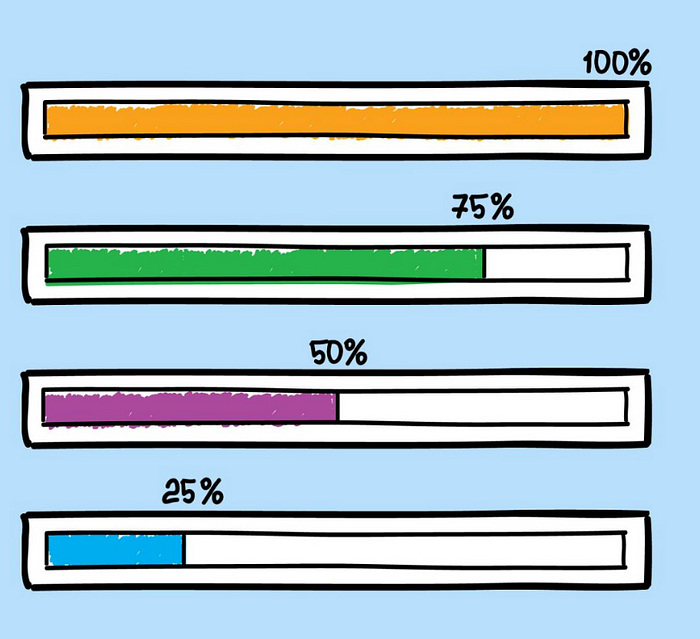
Progress bars.

Do you know the feeling of hitting 100% completion? It’s magnetic.

In digital apps, it’s a tool to nudge users toward the finish line — onboarding or task completion.

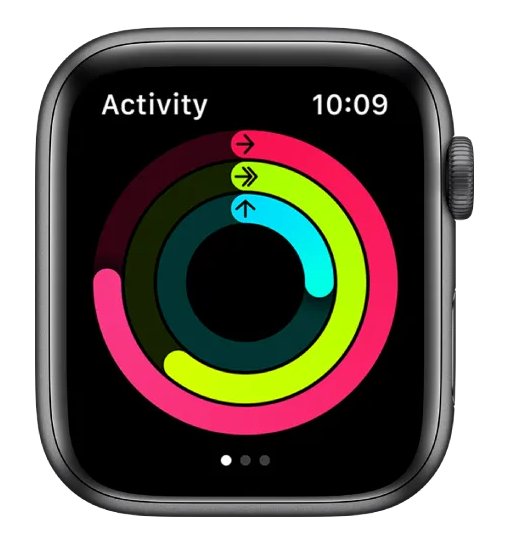
Even bigwigs like Apple and Google employ progress bars for this very reason.
Source: Apple Watch

When we added a progress bar to the onboarding flow in a casual game app, we saw a swooping 2X increase in the first session completion rate📈

It was with percentages but you can also use “steps” as an indication of progress: Step 1.. Step X.

You just need to find which approach works better for your product :)

2. Supercharge CRM Communications

Notifications bombard us constantly.

Users rarely glance at them, even from their favorite brands.

So, we need to think of smart and unorthodox ways to capture users’ very limited attention.

With that spirit, I have set up an A/B test of an email subject line with a question mark vs. the same line without a question mark for a ride-sharing app.

The assumption was that users would unintentionally like to answer the question or in other words, react to the message.

The result?

👆Open rates were +20% more

👆 Conversion rate was 50% higher for the email with the question mark vs. no question mark version.

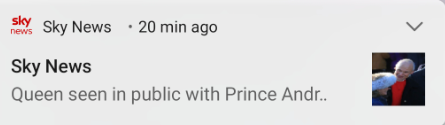
But wait, there’s more! For push notifications, consider a cut-off text to arouse curiosity.
Source: SkyNews

News portals use this to engage audiences, but it’s often deemed risky in CRM due to product quality concerns.

Here, it is important to think about our motivations and psychological concepts to come up with counterintuitive ideas with high returns :)

I deviated from the norm and tested the following:

A push notification ending abruptly versus one with a complete offer duration.

Again the assumption is that users would like to have the closure so out of curiosity, they would be clicking on the message.

And since they are already in the app, they are more likely to complete the transaction — double need for closure :)

Result?

👆A 40% increase in conversions over three days!

It’s a bit bold, but it pays off, especially for time-sensitive or aggressive offers.

It did not work in all countries, bear in mind, but it worked in many.

It was a risky move but worth it with the return.

Wrap-up

Creating ideal user experiences that is also profitable for your business does not come with buzzwords like gamification but comes with emphatic marketing where we connect psychology & marketing closer together.

I have presented two main ways to benefit from the need for closure.

#1: Create “love at first sight” product

#2: Supercharge CRM Communications

There can be many different ways to put this phenomenon into use.

For more insights on integrating psychology and marketing strategies, stay updated by following me on Medium or joining my newsletter.

Growth
Marketing
Product Marketing
Marketing Strategies
Psychology
Recommended from ReadMedium