
How to Lead a Healthy Lifestyle: The Essential Guide to Wellbeing
In our hectic modern world, true wellness can seem elusive. Long work hours, digital distractions, stress, and unhealthy diets take a cumulative toll. Making time for self-care is often neglected. But nurturing your physical and mental health boosts energy, focus, and overall life satisfaction.
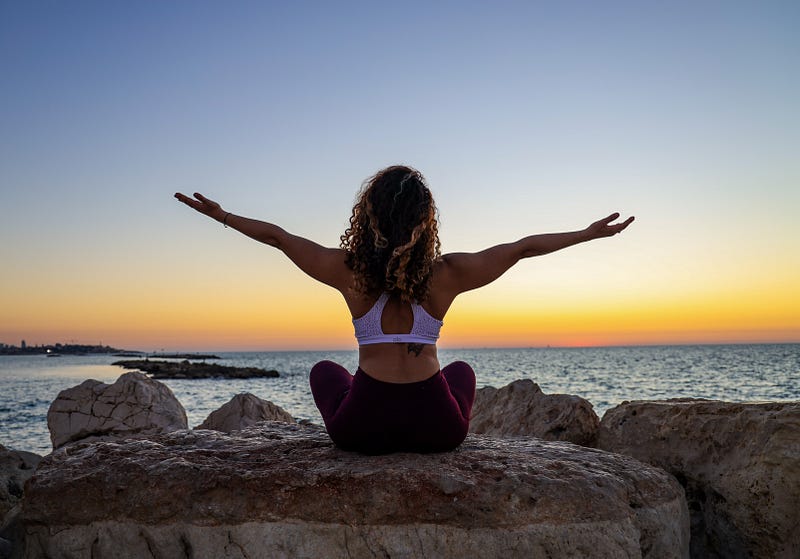
The path to wellbeing begins with establishing healthy daily habits. Small improvements sustained over time compound to transform your quality of life dramatically. With commitment and smart strategies, a flourishing lifestyle is within your reach.
As the old saying goes, health is wealth. No career achievement or material possession matters without the vitality to enjoy life’s simple pleasures. Prioritize exercise, nourishing foods, restorative sleep and mindfulness to become the best version of yourself.
The Physical Foundations of Health
Caring for our physical body is fundamental. Yet with demanding schedules, exercise and healthy cooking often fall by the wayside. Making just a few key practices part of your daily routine pays enormous dividends.
Make movement a priority every day. Experts recommend at least 150 minutes of moderate exercise or 75 minutes of vigorous activity per week. Mix up strength training, cardio and flexibility. Even short 10 minute workouts stimulate beneficial effects.
Watch nutrition and avoid empty calories. Eat a rainbow of organic vegetables and fruits. Choose lean proteins, healthy fats and whole grains. Stay hydrated and limit sugar. Meal planning and batch cooking saves time.
Aim for 7–9 hours of quality sleep nightly. Limit blue light exposure from screens before bedtime. Optimize your bedroom for darkness, cool temperatures and comfort. Stick to consistent sleep and wake times.
Take active rest through stretching, massage, saunas or epsom salt baths to relieve accumulated stress and muscle tension without taxing the body further. Periodic rest days improve recovery.
Preventive checkups, screenings, dental cleanings and immunizations reduce risk and catch issues early. Annual physicals establish baselines to track changes over time.
Moderating alcohol intake and quitting smoking limits strain on the cardiovascular system. If needed, work with your doctor on a safe plan to cut back or quit.
Listen to your body’s signals. Balance pushing your limits with allowing proper recovery when injured or ill. Pain is the body’s warning sign to pull back.
Promoting Mental Health and Resilience
Physical fitness provides the foundation for overall wellbeing, but mental health habits play an equally crucial role. Just as we train our bodies, we must also cultivate our minds through activities that provide perspective and balance.
Develop a regular mindfulness meditation or breathwork practice. Even 5–10 minutes daily dramatically reduces stress and anxiety. Yoga and tai chi strengthen mind-body awareness.
Set aside digital-free blocks of time for creativity, reflection and connection. Unstructured alone time and social bonds nourish the soul. Get out in nature as much as possible.
Prioritize proper sleep, which scientists have proven is essential for emotional regulation, focus and stable moods. Maintain a consistent evening wind-down routine.
Express gratitude regularly through journaling or vocal affirmations. Appreciating positives counterbalances negativity bias in the brain. Laugh often and share joy.
Consider speaking to a therapist or counselor during stressful periods. Having an objective professional sounding board provides tremendous relief.
Pursue hobbies and passions that make you lose track of time. Flow states activate the reward centers of the brain. Make time for play, not just work.
Cultivate self-compassion. Perfectionism corrodes mental health. Be your own best cheerleader through challenges and setbacks.
Surround yourself with positive social networks. Prioritize people who uplift and believe in you. Serve as a mentor and example for others.
Fortify resilience through adversity. With practice, we can learn to view obstacles as opportunities for growth, not reasons to give up hope. Every positive action counts.
Wellbeing as a Lifelong Journey
Upholding healthy habits requires commitment, especially through life’s inevitable ups and downs. View the path to wellness as a lifelong adventure, not a single destination. With consistent nurturing balanced across essential areas, you’ll continue thriving and realizing your full potential each step of the way.
Stress and struggles will come, but healthy foundations buffer their impact. Prioritize self-care, especially in difficult times. Be patient through setbacks. Each new day offers renewal.
Wellbeing is holistic, not piecemeal. Care for your whole self — body, mind and spirit. Select practices that truly resonate then cast them in stone as lifelong rituals.
Listen to your intuition. Only you know what fuel your soul needs: art, volunteering, learning, leadership, calm, or creativity. Design your lifestyle accordingly.
Measure progress and celebrate growth rather than seeking perfection. Small gains build exponential momentum over decades. Compare yourself only to your past self.
Surround yourself with positive role models and mentors. Wise, compassionate people light the path and remind you of your own potential. Seek their guidance and pay it forward.
True wellbeing stems from within. External markers of status and comparison lose relevance. Focus your energy on things you can control through skillful action. Let go of what you cannot.
Healthy living requires adapting as life’s seasons change. Your needs at 20 differ from 40 or 60. Reevaluate your practices to align with each new chapter. This too shall pass.
Each day is a precious gift, but also a choice. Will you renew your commitment to wellbeing or let the modern world claim your vitality? Prioritize self-care and your future self will thank you.