
How To Know If You Are Bipolar
Riding the emotional rollercoaster? Buckle up and read on.
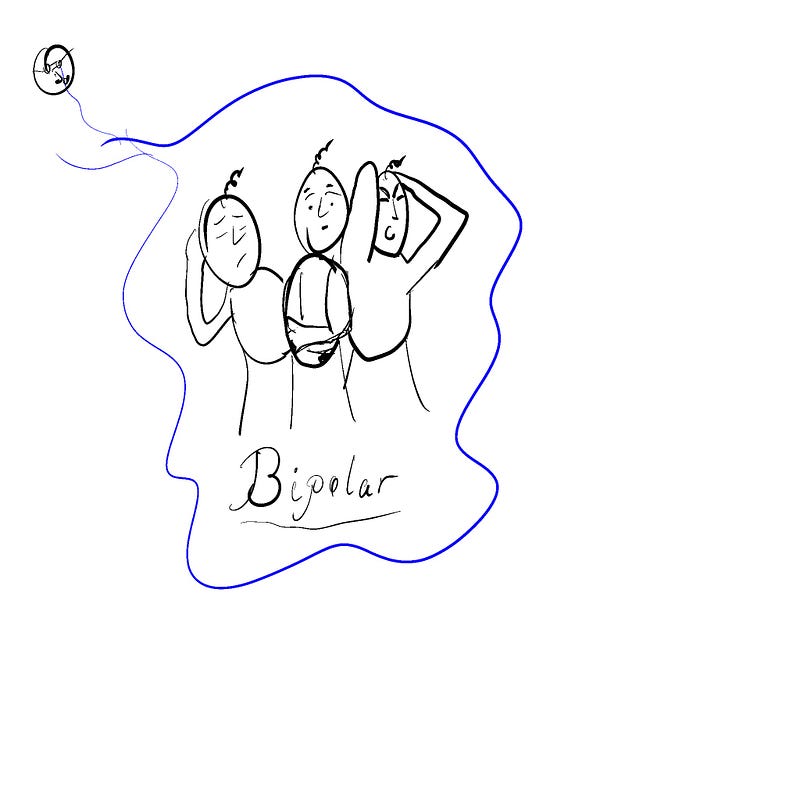
Navigating the Murky Waters of ‘Disorder’: Why We Need to Rethink the Label
During my experience in the mental health sector, I came across a certain label I did not care for. That label was Bipolar disorder. First, I shall give you the information a simple Google search gives you:
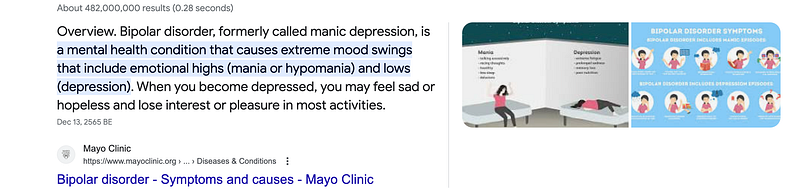
Now, why don’t I like the label? There are two reasons:
One: I felt the description described me, so I instantly felt a little defensive that I could be labeled in this way. Further, being an empathic person, I then imagined how others who had been given this title in a more medical and official capacity must have felt.
Two: The word ‘disorder’. Hmm. Okay, take a look below:
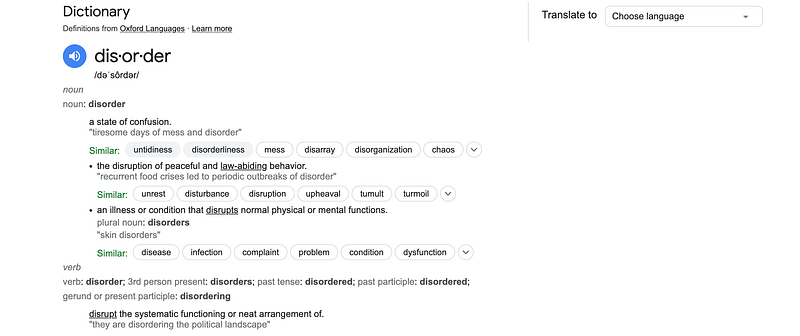
Look at those explanations and descriptions of the word ‘disorder.’ Allow me, and, please forgive me dear reader, when I say, “W**!” ‘Confusion?’ ‘Illness or condition?’ Do you see the issue? The issue I had at the time and still have now is the word, ‘disorder.’ If a person has certain symptoms related to what is labeled as Bipolar, then why must we also attach the word ‘disorder?’
As a mental health practitioner, I’ve seen individuals with bipolar disorder navigate life with the grace of tightrope walkers balancing on a high wire. They often juggle emotional highs and lows with the dexterity of a seasoned performer, like a well-orchestrated ballet. The word disorder does not do most people any favours, and I feel only serves to add stigma and make people feel less than what they are.
Now, let’s move on to some symptoms of bipolar.
Depressive Symptoms:
- Persistent feelings of sadness or hopelessness.
- Loss of interest in activities that were once enjoyable.
- Fatigue or decreased energy.
- Difficulty concentrating or making decisions.
- Changes in sleep patterns (insomnia or oversleeping).
- Changes in appetite or weight.
- Thoughts of death or suicide.
Navigating the emotional tides of my own sea and those within the mental health sector, I’ve sailed alongside many who experience the same storms and calms that I do. Does this make us ships that are lost at sea? I argue no, because even with alternate compass readings, we still find our way to the harbour.
Manic/Hypomanic Symptoms:
- Elevated or irritable mood.
- Increased energy and restlessness.
- Racing thoughts or rapid speech.
- Reduced need for sleep.
- A heightened sense of self-esteem or grandiosity.
- Engaging in risky behaviours (e.g., reckless driving, excessive spending).
- Easily distracted.
I also experience the symptoms above. Honestly, I have never gone for a diagnosis because I do not really want to be labeled. Yet, I sometimes wonder…
What Has Working In Mental Health Taught Me?
It taught me that there are a great number of people who go undiagnosed. Now, this is not always a bad thing because I believe many people, like me, simply live their lives without it becoming…dangerous to themselves or others, and I think this is okay. We are all different. We don’t need to fit into boxes. However, if you spot certain symptoms in this article that sound like you, it might be worth talking to someone about it.
We all need to look after our mental health. But let me tell you something:
Alone, you might be strong. But together, we are stronger. Do not be afraid or ashamed to ask for help. Sometimes, we just need to be listened to.
This has been a self-reflective piece. I think it’s important to reflect sometimes.
What about you? What experiences with mental health have you had?
I strongly suggest you pick up something to help you out. Here’s the snippet from this wonderful tool to help you with your mental health.
Do you find yourself lying awake at night because you can’t stop worrying about what happened today? Are you constantly second-guessing almost every decision that you are faced with in life? Do your job, friendships, or whole life seem to be overwhelming?
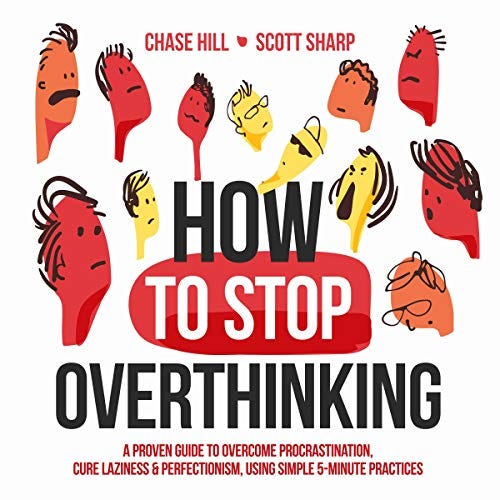
Go ahead and click the Amazon link attached to the photo above, and by doing that, at no additional cost to you, you will help me earn a commission when you buy.
Disclaimer: As an Amazon Associate I earn from qualifying purchases at no cost to you.
That’s all from me today. Stay positive and see you next time,
~TW~


