
How to Keep Your Pet Cool in The Summer
Tips and tricks for your dog or cat
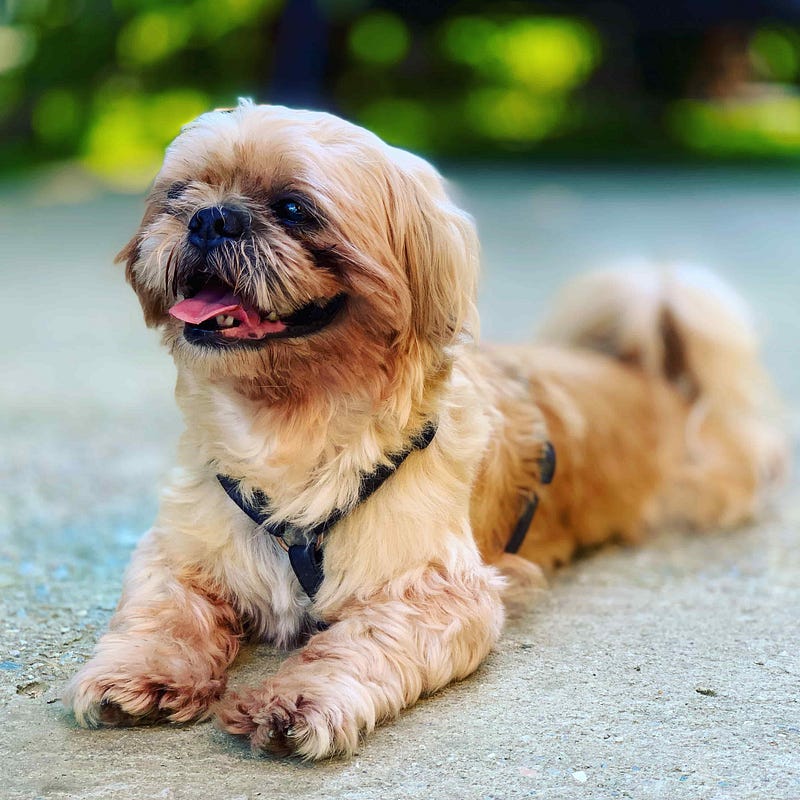
If you tell yourself: “Boy it’s hot!”, as you sit in the shade while your pet looks pleadingly at you, clearly your pet is hot! You don’t even have fur! You have to realize your pet’s discomfort too!
Unlike humans, dogs can’t sweat through their skin and so they rely on panting and releasing heat through their paw pads and nose to regulate their body temperature and keep cool. Coupled with their thick fur, which is like wearing an insulated coat, this can make them prone to overheating. It’s important to do all we can to keep our furry friends cool, to prevent serious illnesses such as heatstroke.
Once a dog shows signs of heatstroke the damage is often already done, which is why it’s so important to prevent it.
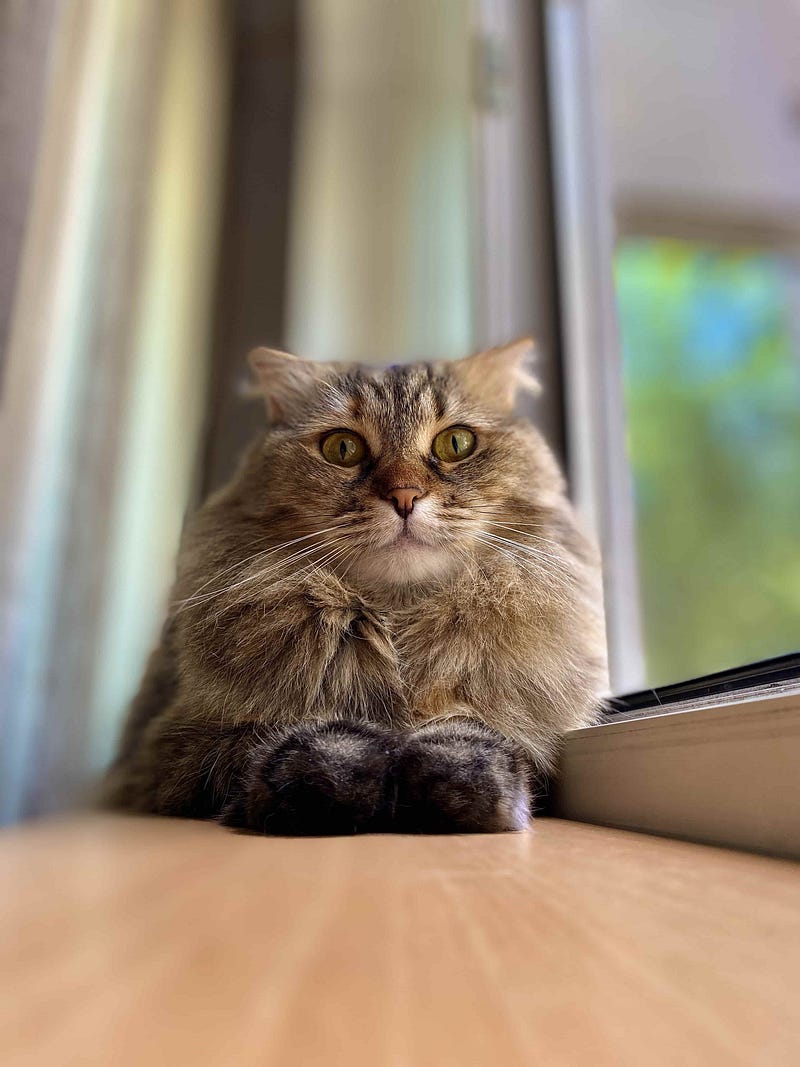
When the heat arrives, cats can not only feel hot and bothered — they are at more risk of potentially fatal heatstroke. Keeping feline temperatures as low as possible during the balmy summer months is vital.
Cats have sweat glands in their paws which help to cool them down. However, on very hot days, they may seek multiple methods of cooling down.
Cats lick their coats to cool down which is why your cat may groom himself more in the summer. When saliva evaporates from your cat’s fur, it provides a cooling effect, similar to a human’s sweat evaporating off of their skin.
When your cat gets very hot, he may begin to pant. Rapid breathing, similar to a dog’s panting, allows saliva to evaporate from their tongue and allows them to cool down.
Initial signs of heatstroke include heavy panting, drooling, and excessive grooming. Further signs include redness of the tongue, vomiting, and staggering. If your cat displays any of these signs, be sure to immediately cool him down by placing a cool (not cold) damp cloth on his belly. If you believe any of these signs to be extreme, be sure to seek veterinary care immediately.
Mixed tips on how to cool off your pet in the summer
#1.Hydration
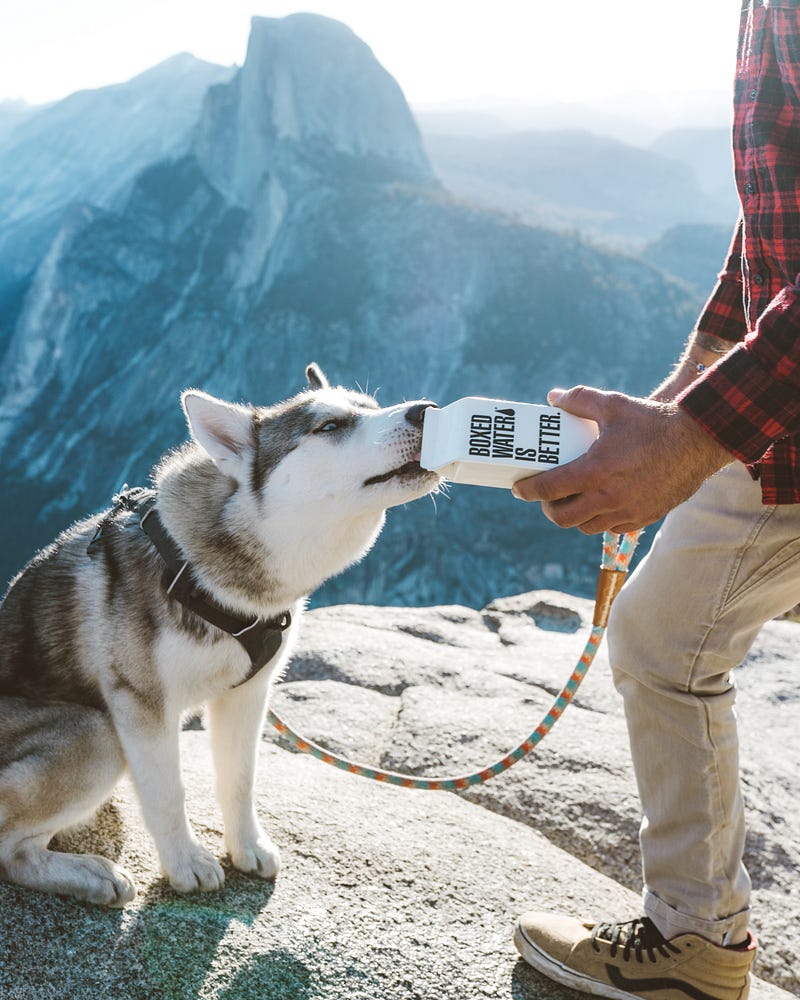
Make sure your dog/cat has access to clean water at all times, ideally a large bowl filled to the brim.
Whether you’re taking your pet on a hike or just playing in the backyard, it’s important to make fresh, cold water available and accessible for him.
When you’re out and about, bring a portable, collapsible water bowl or a squirt bottle. Give him small amounts of water every 15 to 20 minutes during the activity. Make sure you have enough cool water to last the entire time you’re gone.
#2. Find some shade or a cool room
If your dog is an outside explorer, ensure that they have a shady spot to lounge in, keeping them out of direct sunlight. Trees, shrubs, and gazebos make for ideal shaded spots — or you can even try making your own simple shelter to provide your doggy the perfect place for a summer snooze!
Don’t forget that too much sunbathing can lead to sunburn, so encourage them to lie in the shade even if it’s a cooler day.
If you are cooling the room using an air conditioner, be careful! Unfortunately, there is no magic number for an AC setting that will provide the ideal temperature for your cat or dog. If your air conditioning settings are too cold for your pet then yes, it can make them sick. There are a lot of variables: Health condition, age, type of coat, weight, size, so try to select an optimal temperature and make sure the air doesn't blow directly to the floor or your pet’s location!
- Never Sit in a Parked Car — it can become an oven very quickly even when it doesn’t feel that warm. When it is 22°c outside — within an hour — the temperature in a car can reach an unbearable 47°c. Never leave a dog in a car, even for a moment. “Not long” is too long!
#3. Grooming
Many dogs will start to shed their coat as the summer sets in. Regular grooming can help to keep them cool as all the loose fur acts as insulation. A good, daily brush will remove the old hair and help keep them nice and cool. This is especially important if your pet goes through a summer moult or has a heavy coat.
Excess fur on cats traps heat, so daily grooming during heatwaves to get rid of dead hair will make your cat feel a little more comfortable. You may also notice that your cat is grooming itself more than normal, too. This is nothing to worry about — it’s their very own way to beat the heat as when the saliva evaporates off the fur, it will cool them down.
Some dogs may also appreciate a summer trim, especially those with longer coats. This will depend on your dog’s coat type as some dogs have fur that is designed to protect them from the sun and can actually keep them cooler! Speak to your vet or a dog groomer to check if their coat is warming them up or helping keep them cool before you decide on a summer haircut. If you don’t feel confident with the clippers, it’s always safest to take them to a professional groomer.
Remember that your dog’s skin might be more sensitive to the sun after a trim. Protect them from the sun by stocking up on some pet-safe sun cream to shield them while they’re out.
#4.Wet towel/blanket or a cooling pad.
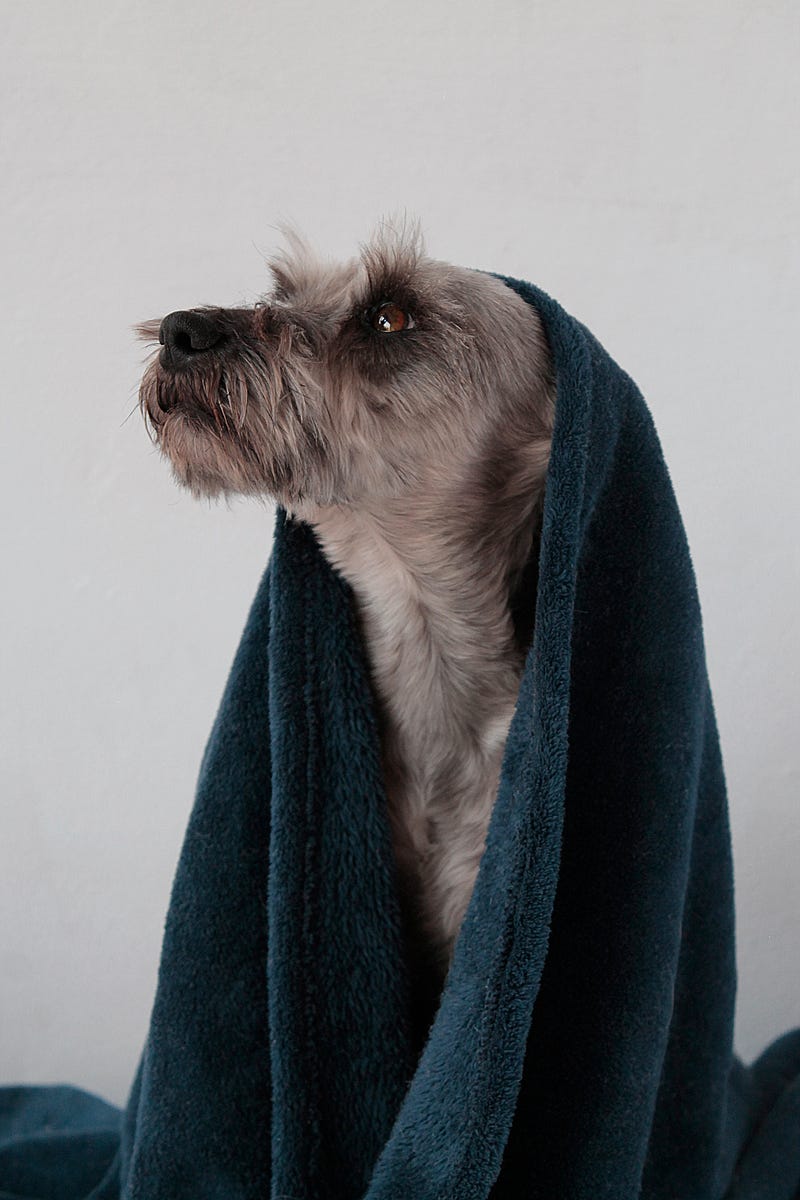
Most cats hate getting wet, so they’re unlikely to want to take a dip in any water to cool off. But wet a small towel in cold water and dab over your cat’s fur, or just stroke the cat with wet hands, to bring some relief from hot weather.
There is a wide range of cooling mats for pets available to buy, but placing freezer blocks or pads, or even a pack of frozen vegetables, a bottle of iced water, well wrapped in a blanket in your cat’s favourite spot will have a similar effect.
For larger dogs, you’ll want to grab a bath towel. For smaller pups, a dish towel will do. Soak the towel in cool water until it’s saturated. Next, you’ll want to squeeze out any excess water, so the wet towel doesn’t drip all over your dog and floor. Now, you want to place the damp towel on your dog. In particular, his underbelly, inner thighs or neck — these spots cool your dog down quickest. Don’t want your good bath towels smelling like wet dogs? Buy your dog his own towel!
Know the Signs of Heatstroke
- Heavy panting that is increasing over time
- Dark red or pale gums
- Vomiting
- Diarrhoea
- Uncoordinated movement
- Loss of consciousness
- Drooling, salivating
- Agitation, restlessness
- Bright red tongue
- Increased heart rate
- Breathing distress
- Signs of mental confusion, delirium
- Dizziness, staggering
- Lethargy, weakness
- Muscle tremors
- Seizures
- Collapsing and lying down
- Little to no urine production
- Coma
If you suspect your pet has heatstroke
Know how to do Emergency First Aid at home if you suspect your pet has heatstroke. Initial emergency treatment at home should aim to normalise body temperature.
- Remove your pet from the hot environment immediately.
- Apply or spray tepid/cool water onto the animal’s fur and skin. Then apply a fan/fanning to maximise heat loss.
- Wetting down the area around your pet can also help.
- Don’t use ice-cold water or ice as this may worsen the problem.
- Then take your pet to the nearest veterinarian immediately.
- Heatstroke is an emergency — always see a vet. Even if your pet looks like they may be recovering or you just suspect they might have heatstroke they should still always be checked by a vet.