avatarM. R. Prichard

Free AI web copilot to create summaries, insights and extended knowledge, download it at here

2423

Abstract

-1.readmedium.com/v2/resize:fit:800/0*SqE2KzWMmv7w1NGz"><figcaption>Photo by <a href="https://unsplash.com/@dtravisphd?utm_source=medium&amp;utm_medium=referral">David Travis</a> on <a href="https://unsplash.com?utm_source=medium&amp;utm_medium=referral">Unsplash</a></figcaption></figure><p id="40d4">The best thing my dad ever recommended to me about interviewing is to bring a notebook or a pad of paper into the interview with you. That way you can take notes of what the interviewer says about salary, work-life balance, schedules, and everything in between.</p><p id="766d">Taking notes shows them that you are genuinely interested in what they have to say, and reminds them that you are keeping track of details that could be important later.</p><p id="88c8">Not only that, but it helps <i>you </i>as the interviewee; maybe you have a question that you want to come back to later. Keeping tabs of that in your notebook will remind you of the question at the end of the meeting.</p><h2 id="f342">Do your research</h2><figure id="6856"><img src="https://cdn-images-1.readmedium.com/v2/resize:fit:800/0*KbaCm4OGMkdI8sjA"><figcaption>Photo by <a href="https://unsplash.com/@dandimmock?utm_source=medium&amp;utm_medium=referral">Dan Dimmock</a> on <a href="https://unsplash.com?utm_source=medium&amp;utm_medium=referral">Unsplash</a></figcaption></figure><p id="2e18">Every interview I’ve had has begun with the hiring manager asking what I know about the company. They want to see if you’ve put in the work to apply for companies you are genuinely interested in, or if you are just blind clicking job opportunities on Indeed.</p><p id="579c">I’ll be honest: I’m a culprit of blind clicking on jobs. I see something that sounds cool, that I’m qualified for, and pays well, I’m going to click apply. If I’m applying to a lot of jobs in one sitting, I’m not necessarily going to take the time to deep dive on each company. Unless I get an interview request, I’m not going to waste my time.</p><p id="81b9">However, when the recruiting officer or hiring manager gives you a call and asks for a meeting, I will scour their website for anything and everything. When were they founded? What do they do? What do they offer their clients? How many locations are there?</p><p id="ce05">Showing your knowledge of the company makes you look like a boss, and reminds them that you’re a worthy contender.</p><h2 id="f621">Plan your que

Options

stions for the end</h2><figure id="9721"><img src="https://cdn-images-1.readmedium.com/v2/resize:fit:800/0*jfq6mXVT8cbun5SK"><figcaption>Photo by <a href="https://unsplash.com/@bchild311?utm_source=medium&amp;utm_medium=referral">Benjamin Child</a> on <a href="https://unsplash.com?utm_source=medium&amp;utm_medium=referral">Unsplash</a></figcaption></figure><p id="2933">Interviewers always end the meeting with something along the lines of “what questions do you have for me?” Knowing this is coming, I always plan for some questions ahead of time. Depending on the company, my questions may change but there are always a couple I ask everyone. My go-to questions include:</p><p id="eaf2" type="7">“How long have you worked at [company name]?”</p><p id="921a" type="7">“What is your favorite part about working at [company name]?”</p><p id="46da" type="7">“What more can I tell you about myself and my qualifications?”</p><p id="a1b9">Usually the recruiter has a spiel that they give to everyone they interview, giving the basics of the job and the company environment. However, this doesn’t always give the most useful information to someone trying to decide if they want to commit to a career.</p><p id="3e63">If the recruiter says they’ve only worked there a few months, that tells me that there is likely a lot of turnover and that people don’t stay there very long. If they say they’ve worked there twenty years, that tells me that the company is secure.</p><p id="2847">When asking their favorite part about working at their company, I’m looking for clues that give away any toxic red flags. Maybe their favorite part is “we are all a family here.” While on the surface this sounds great, it can also mean that mangers have no boundaries and perhaps coworkers are a little too comfortable.</p><p id="d6ee">The last question is really just to make sure there isn’t anything I’m forgetting. Sometimes these meetings are long and it’s hard to touch on absolutely everything. I want to make sure they have everything that they need to make an informed decision, and I want to make sure that I have said everything and pointed out all of my skills.</p><p id="1326">You’re not going to get every single job you interview for. But by coming prepared, knowing your worth, and asking hard-hitting questions, you’ll leave each meeting having given a great first impression and knowing you did a great job.</p></article></body>

How to Interview for a Job Like a Boss

If you have marketable skills and you know it, clap your hands

Photo by Edmond Dantès from Pexels

Are you on the hunt for a new job? If so, congratulations! It can be exciting and nerve wracking to start interviewing for a new position. Whether you’re just moving up in your own company or finding something brand-spanking-new, it’s important to be prepared for what the interview process will be like.

As someone who has been on dozens of interviews, I’ve picked up a thing or two to ensure the meeting goes well. Even if you don’t get offered a job, you can at least walk away knowing you gave a great impression. Here’s how.

Bring a few copies of your resume and cover letter (even if they say you don’t have to)
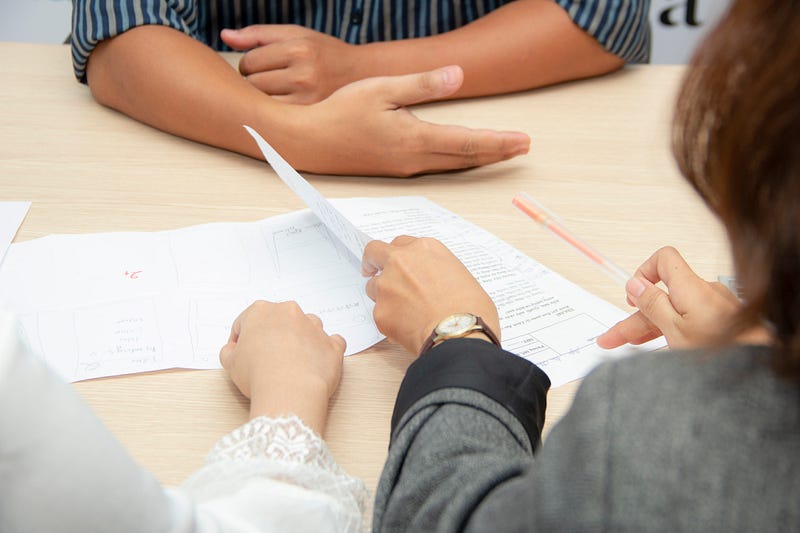
Photo by Van Tay Media on Unsplash

There have been far too many times where I’m told that I don’t need to bring my resume with me, when in fact the hiring manager doesn’t have a copy on hand when I get to our appointment.

Sometimes more than one person is interviewing with you and they forgot a copy. Show them you’re prepared and hand over your extra sheet. You’re detail oriented, so prove it!

Chances are you won’t need an extra copy, but it’s good to have one for your own reference either way. The interviewer might ask about a particular skill or time frame on your resume; if you have a copy in front of you too, you can answer questions or speak more to an idea more easily.

Bring a notebook and pen to take notes

Photo by David Travis on Unsplash

The best thing my dad ever recommended to me about interviewing is to bring a notebook or a pad of paper into the interview with you. That way you can take notes of what the interviewer says about salary, work-life balance, schedules, and everything in between.

Taking notes shows them that you are genuinely interested in what they have to say, and reminds them that you are keeping track of details that could be important later.

Not only that, but it helps you as the interviewee; maybe you have a question that you want to come back to later. Keeping tabs of that in your notebook will remind you of the question at the end of the meeting.

Do your research

Photo by Dan Dimmock on Unsplash

Every interview I’ve had has begun with the hiring manager asking what I know about the company. They want to see if you’ve put in the work to apply for companies you are genuinely interested in, or if you are just blind clicking job opportunities on Indeed.

I’ll be honest: I’m a culprit of blind clicking on jobs. I see something that sounds cool, that I’m qualified for, and pays well, I’m going to click apply. If I’m applying to a lot of jobs in one sitting, I’m not necessarily going to take the time to deep dive on each company. Unless I get an interview request, I’m not going to waste my time.

However, when the recruiting officer or hiring manager gives you a call and asks for a meeting, I will scour their website for anything and everything. When were they founded? What do they do? What do they offer their clients? How many locations are there?

Showing your knowledge of the company makes you look like a boss, and reminds them that you’re a worthy contender.

Plan your questions for the end

Photo by Benjamin Child on Unsplash

Interviewers always end the meeting with something along the lines of “what questions do you have for me?” Knowing this is coming, I always plan for some questions ahead of time. Depending on the company, my questions may change but there are always a couple I ask everyone. My go-to questions include:

“How long have you worked at [company name]?”

“What is your favorite part about working at [company name]?”

“What more can I tell you about myself and my qualifications?”

Usually the recruiter has a spiel that they give to everyone they interview, giving the basics of the job and the company environment. However, this doesn’t always give the most useful information to someone trying to decide if they want to commit to a career.

If the recruiter says they’ve only worked there a few months, that tells me that there is likely a lot of turnover and that people don’t stay there very long. If they say they’ve worked there twenty years, that tells me that the company is secure.

When asking their favorite part about working at their company, I’m looking for clues that give away any toxic red flags. Maybe their favorite part is “we are all a family here.” While on the surface this sounds great, it can also mean that mangers have no boundaries and perhaps coworkers are a little too comfortable.

The last question is really just to make sure there isn’t anything I’m forgetting. Sometimes these meetings are long and it’s hard to touch on absolutely everything. I want to make sure they have everything that they need to make an informed decision, and I want to make sure that I have said everything and pointed out all of my skills.

You’re not going to get every single job you interview for. But by coming prepared, knowing your worth, and asking hard-hitting questions, you’ll leave each meeting having given a great first impression and knowing you did a great job.

Careers
Jobs
Interview
How To
Work
Recommended from ReadMedium