
How to Improve The Way You Learn a Language With Duolingo
Duolingo is not enough to become fluent in a language.
Duolingo has helped millions of people get started with a new language. Its simplicity, intuitive design and teaching methods made learning words in a foreign language as easy as playing a videogame.
However, when it comes to developing the necessary skills to learn a new language, Duolingo isn’t enough. In fact, participants in an interview fully agreed that Duolingo would not be good for learning an entirely new language of which one has no knowledge.
I felt the same way after finishing the Portuguese course in Duolingo. Although I memorized tons of words, I didn’t know how to use them properly. But not everything is wrong with Duolingo. You just need to find its weak points and complement them with other tools and methods.
These are the methods and apps that I use to complement Duolingo.
Flashcards Beat Meaningless Translations
Duolingo’s teaching technique is based on translations. That might be helpful for reviewing a language one has already started learning or for learning a language that is closely related to one that you already know. In both cases, you’re already familiarized with some vocabulary that can help you understand the basic stuff.
However, when learning a new language, most of the time, we have no previous knowledge of it. That’s why it’s a good idea to start learning the most common words in a language. Here you can find a list of the most common 1000 words in many languages.
It would help if you also combined it with flashcard apps. Unlike Duolingo, flashcards are made by you, so you’d most likely remember definitions or examples you came up with when creating flashcards.
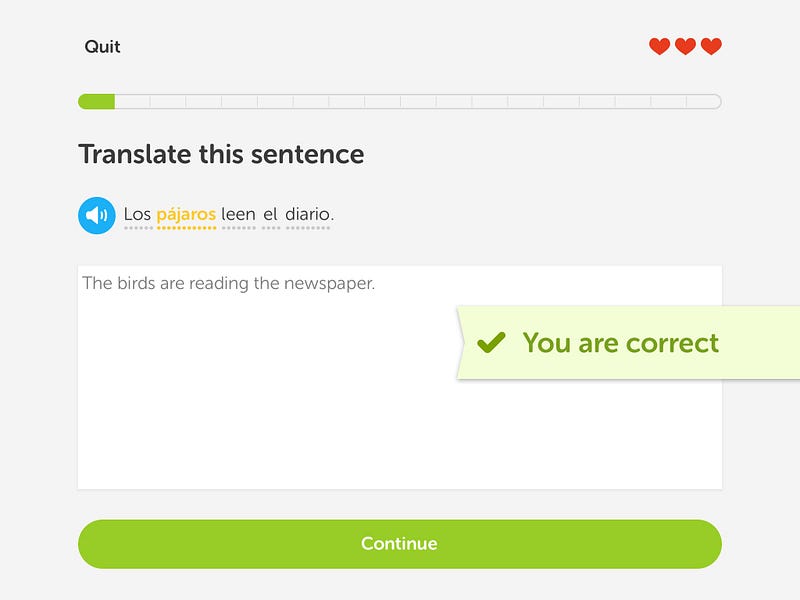
For example, Duolingo would sometimes show you meaningless sentences like “The birds are reading the newspaper.”
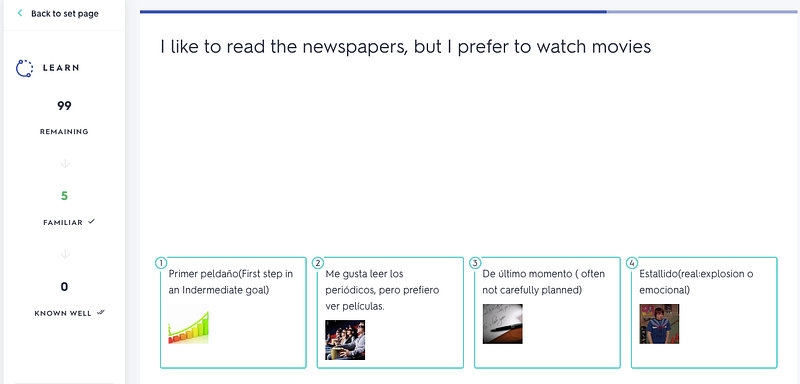
Instead of memorizing sentences that you’d never use like the one above, you should create more meaningful sentences using common words with flashcards like the following example.
Learning Grammar Rules on Duolingo Is Not a Good Idea
Duolingo has a straightforward approach to teaching grammar rules. It shows you an example that explains how to use articles, verb tenses, etc. Again if you’re already familiarized with the language, then that’s a good approach. However, only textbooks, private language lessons or YouTube lessons would help you have a good understanding of how grammar works in a foreign language.
Also, it’s better to use apps that natives use to improve their grammar when writing daily on a computer or phone. For example, LanguageTool is a multilingual grammar and style checker used for clear writing. This app gives you feedback on texts written by you.
This is important because if you are the one writing texts, then you’d use meaningful words that are needed in everyday conversations. We can’t say the same of Duolingo’s words and phrases used in many exercises.
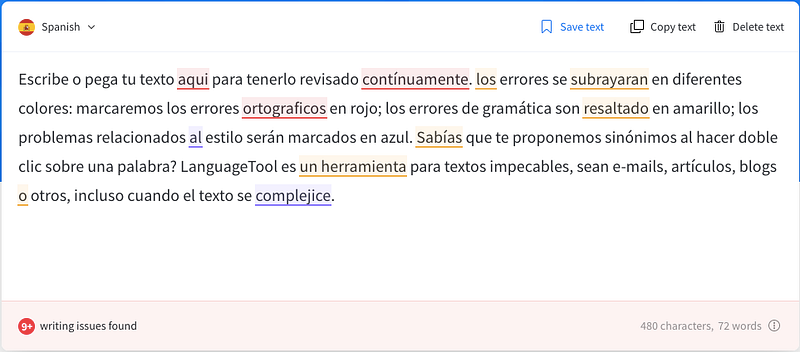
In the text above, LanguageTool highlights typos, spelling mistakes and gives style suggestions in a text written in Spanish.
Another good app with the same functionality is Grammarly, but it only works with texts in English.
Real-Life Conversations Are Better Than Duolingo’s Speaking Exercises
Although you can turn on your microphone to practice your speaking by repeating sentences, that might not be the best approach to improve your speaking skills.
Believe me, repeating “The birds are reading the newspaper” over and over again isn’t an effective way to speak a language. Here I have 2 suggestions that would help introverts and extroverts learners.
For those who are shy or feel uncomfortable talking with new people online, there are voice assistants! Siri, Cortana, Alexa, you name it! They aren’t perfect, but they’re closer to having normal conversations than Duolingo’s speaking exercises. I tried Siri in multiple languages and I think it does a decent job at understanding normal speech and giving proper answers.
To change Siri’s language on iPhone, just go to “Settings,” Swipe down and tap Siri & Search, then choose the language you want.
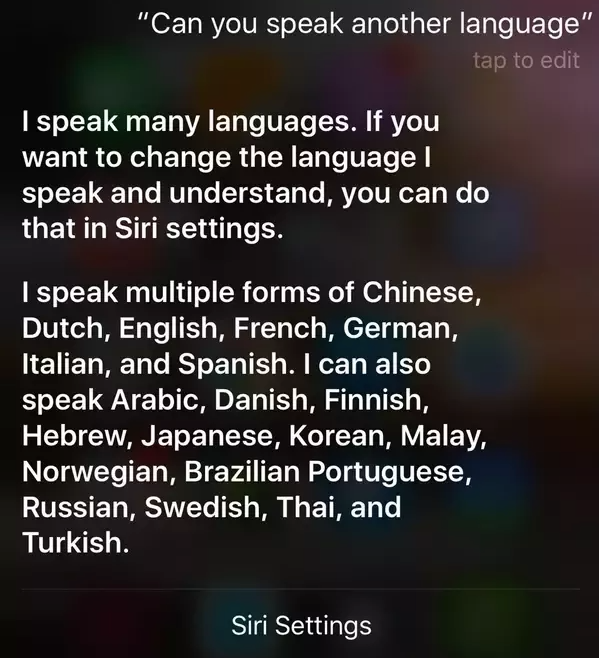
That being said, I preferred talking with real people because conversations are more natural. If you have free time and feel comfortable talking with new people, I strongly recommend using language apps that allow you to connect with natives. There are countless options, such as HelloTalk, Tandem, etc.
Duolingo Helps Only 2 Types of Learners. What Type of Learner Are You?
There are four types of learners and I’m not talking only about language learners but about how we learn things in general.
Duolingo is a playful language learning app, which is great for kinesthetic learners. It might also be good for reading/writing learners because of the many tasks that involve translating sentences.
Unfortunately, Duolingo might not be the best app for you if you’re a visual or auditory learner. If you’re good at recalling information as long as you hear it, then consider listening to audiobooks and podcasts. But if you learn by observing things like pictures and diagrams, then adding your own pictures to every flashcard you create will help you remember things easily.
Final Thoughts
Duolingo might not be customized to your language needs. That’s why you should use different alternatives to complement its weak points. Flashcards are a good way to memorize useful vocabulary in a foreign language, especially when you add pictures. Speaking to natives online is better than Duolingo’s speaking exercises, but if you’re shy, consider chatting in a foreign language with voice assistants like Siri. In addition to that, writing assistant apps will correct all your grammar mistakes.
Above all, analyze what kind of language learner you are and find the language learning approach that suits you better.