
How To Get Started With Strength Training
A practical guide for beginners.
It can be intimidating to know where to start with strength training. There are countless exercises you can do and a wide variety of equipment to choose from. There are safety concerns to be aware of, new lingo to understand and multiple options for each body part.
But these shouldn’t stop you. As great as cardio is, strength training is a perfect complement to your sweat-filled sessions — and sometimes, it’s even better for your body.
I started exercising because I wanted the boys in my high school to stop calling me “fatty”.
Today, I exercise frequently, look a decade younger than I am and I have a lower percentage of body fat than when I started. That’s the beauty of working out- as long as you remain consistent; there are multiple benefits to be achieved.
Many people ask me how to maintain a fitness routine. I can summarize this entire article by saying: get adequate sleep, hydration and nutrition, switch up your program to avoid boredom and make sure you include strength training to your routine.
Before I go any further, I want to clarify: real results take time and persistence. Strength training will not get you a six-pack tomorrow. You won’t be able to follow a challenging routine at the start. You will not look like a bodybuilder, but you will build muscle.
Above all, there are no magic pills, potions or drinks you can use to get toned faster.
This story will have four sections:
1. What Is Strength Training?
2. What You Need To Know- Getting Started
3. What are the benefits of strength training?
4. FAQs About Strength Training
1. What Is Strength Training?
Strength training involves some type of resistance to challenge and build your muscles. Strength training exercises apply a load/overload to a specific muscle or muscle group forcing them to adapt and grow stronger.
Examples of strength exercises include walking lunges, pull-ups, bench press, squat, deadlifts, shoulder press and so many more.
2. What You Need To Know: Getting Started With Strength Training
Tip #1:You Need To Get Your Heart Rate Up
A proper warm-up is an important part of an effective strength workout. The purpose of a warm-up is to prevent injury by increasing the body’s core and muscle temperature. A warmup gradually revs up your cardiovascular system by raising your body temperature and increasing blood flow to your muscles. Warming up may also help reduce muscle soreness and lessen your risk of injury.
Tip #2: You Don’t Need Equipment As You Start
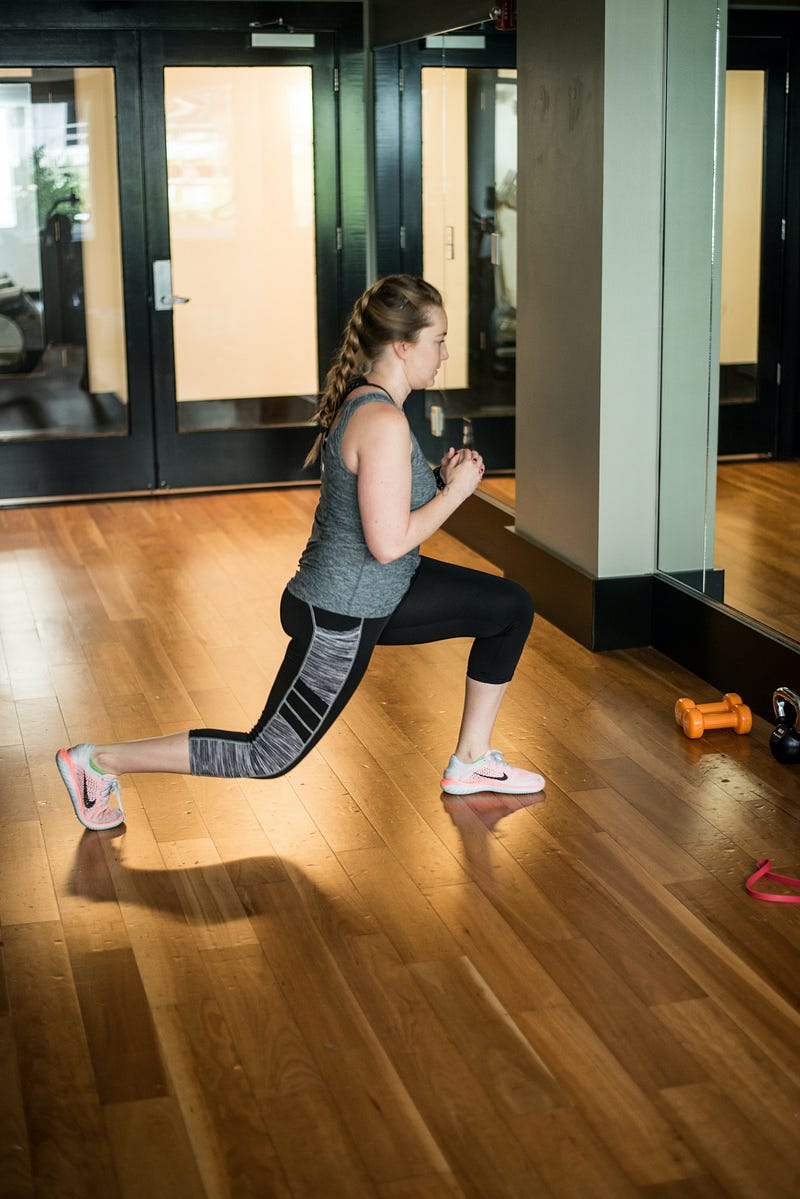
Before you jump to those hardcore machines and massive weights, keep it simple by focusing on equipment free routines. By definition “strength training means using resistance to create work for your muscles”. You can create this resistance by using your bodyweight alone. Examples of bodyweight exercises are squats, push-ups and lunges. No matter what you do the important thing is to find a routine that challenges you.
Tip#3: Determine The Right Amount Of Weight For You
As you progress with your routine, you will need some equipment to help you continue challenging your body.
Figuring out how much weight you should be using for a given exercise requires a bit of experimentation. But, it’s better to err on the side of too light than too heavy. You’ll know it’s too light if you can do an entire set with minimal effort. It’s too heavy if your form is sacrificed or it just feels too taxing. Just right is a challenging effort that you can do with proper form and control and without excess strain.
Tip#4: You Begin With Two Days A Week And Build Up
Start slow and build your frequency as you go along. Building your way up allows your body to adjust to the new workload at a comfortable pace. Too much too soon can shock your body. Aim to complete 20 minutes each day then gradually add on time in ten-minute increments until you’re working for 45 to 60 minutes.
Tip#5: You Can Stick To The Same Moves Each Day When You’re Starting.
You do not need to complicate things at the start. Unlike seasoned lifters who can choose a different exercise every day, it is okay for you to stick to the same moves two or three times a week. Great results can be made by repeating the same workout but increasing weights as you become stronger.
Switching things up can help you avoid a training plateau, but so can increasing weights while doing the same exercises.
Tip#6: You Need To Learn Proper Form
To prevent injuries, you must know the proper form and technique. Proper technique will make sure that you’re working the right muscles without straining.
To maintain proper technique, pay attention to your posture (stand tall with chest lifted and abs held tight), move slowly (this ensures you’re relying on muscles, not momentum, to do the lifting), and remember to breathe. Many people hold their breath while exerting, but exhaling during the hardest part of the exercise helps fuel the movement.
If you’re a true beginner, there is a lot of free content online to help you learn proper form.
If your budget allows it, invest in a session with a personal trainer. A trainer can show you the correct positions, grips, and motions while also helping you create a basic strength-training routine.
Tip#7. You Need To Pair An Upper-Body Move With A Lower-Body Move.
Seasoned lifters often split their workout sessions into days i.e “leg day” or “arms day” but for a beginner who is only working out a few days a week, a full-body workout works best.
Full-body workouts maximize your caloric burn and the muscles worked each session. You do this by pairing one upper body exercise with one lower body exercise. This helps the lower body recover while the upper body works and vice-versa. You should also aim for a balance between movements that feel like pulling and ones that feel like pushing.
For Example:
Tip#8: You Need A Post-Workout Stretch
Now that you’ve completed your workout, it’s time to stretch it out.
Stretching while your muscles are warm can help improve your flexibility, not to mention how good it feels after you’ve pushed yourself hard.
Stretching is also great for calming your nervous system. Warm-up stretches include active moves, but in cooling down passive stretches work best. This means holding a stretch for 20–30 seconds as you inhale and exhale deeply.
Tip#9: You Need Carbs, Proteins and Water
After a tough sweat, it’s important to refuel. Drink lots of water and thank your body for what it was able to accomplish.
A balanced diet helps you avoid fatigue and enables your hardworking muscles to recover after a workout.
Protein is important because it stabilizes your blood sugar and helps you feel fuller longer.
Foods higher in carbohydrate content are easy to digest and provide instant fuel.
Don’t skip on food if weight loss is one of your goals; your body needs fuel to perform at it’s best.
Tip#10: Don’t Forget To Rest
When it comes to working out, rest days are as important as your workout days. Rest is necessary for avoiding exercise-induced fatigue. Exercise makes little tears in your muscles which your body has to repair and rebuild. This rebuilding process occurs during your rest days and when you sleep.
A rest day doesn’t mean you have to seat on the couch all day. Instead, consider the idea of an active rest day. A bit of movement can increase blood flow thereby reducing soreness and speeding recovery. Consider trying a gentle yoga class, an easy bike ride, a brisk walk, or even a light jog.
But sometimes a day of rest, recovery and laziness is exactly what you need.
At the end of the day, you have to focus on how you feel. Soreness is fine, pain is not.
3. What Are The Benefits Of Strength Training?
Among the wealth of benefits strength training offers, it can help you:
- Burn more fat: Muscle is more metabolically active than fat, so the more you have, the more calories you burn all day.
- Lower abdominal fat: Abdominal fat (also known as visceral fat) sits in and around the vital organs, including the heart, placing you at greater risk of disease. Strength training is more effective at reducing abdominal fat than cardiovascular exercise. It works by increasing lean muscle mass which stimulates metabolism, thus helping the body become effective at burning fat.
- Avoid injury: Strong muscles mean you also have strong, supporting bones and connective tissue. All of that contributes to a body that can withstand more stress than the bodies of people who don’t do strength exercises.
- Stay young and healthy: Studies show that resistance training can enhance heart health, bone health, reduce blood pressure, lower cholesterol, increase bone density, reduce low back pain, and ease symptoms of arthritis and fibromyalgia.
- Improve mood: Exercising releases feel-good endorphins which help reduce anxiety and even fight depression.
- Improves sleep. Resistance training improves sleep patterns for the better, via less awakening and deeper sleep.
- Boost confidence: Anytime you master a skill, your confidence grows.
4.Potential FAQs About Strength Training
How Long Will It Take Before I See Results?
This is a hard question to answer as exercise moulds our bodies differently.
Your results are a function of genetics, stress levels, sleep habits and nutrition.
While you might not lose the pounds immediately lookout for other benefits like improved sleep, more energy and the ability to handle stress better.
Can I Spot Train One Body Part?
Unfortunately, you cannot focus on a spot area for targeted results. An effective workout includes both cardiovascular and strength-training elements. Total body workouts have the highest calorie-burning potential.
Why do I weigh more now, I’m I doing something wrong?
No, you are not. As you shed fat and gain muscle the numbers on the scale can increase as muscle weighs more than fat. The reading on the scale can also be affected by the time of day, your fluid intake as well as the model you use.
Don’t let a number on a scale be the judge of your progress.
Rather learn to celebrate the wins along the journey. Are you falling asleep easily and faster? Do you have more energy throughout the day? Can you walk up a flight of stairs without getting winded?
As always, thanks for reading. Keep the comments and corrections coming.
Let’s stay in touch. Join my newsletter.
For more articles on fitness:


