
How to Get Rid of Your “Stuff”
The Delightful But Awful Pangs Of Human Molting
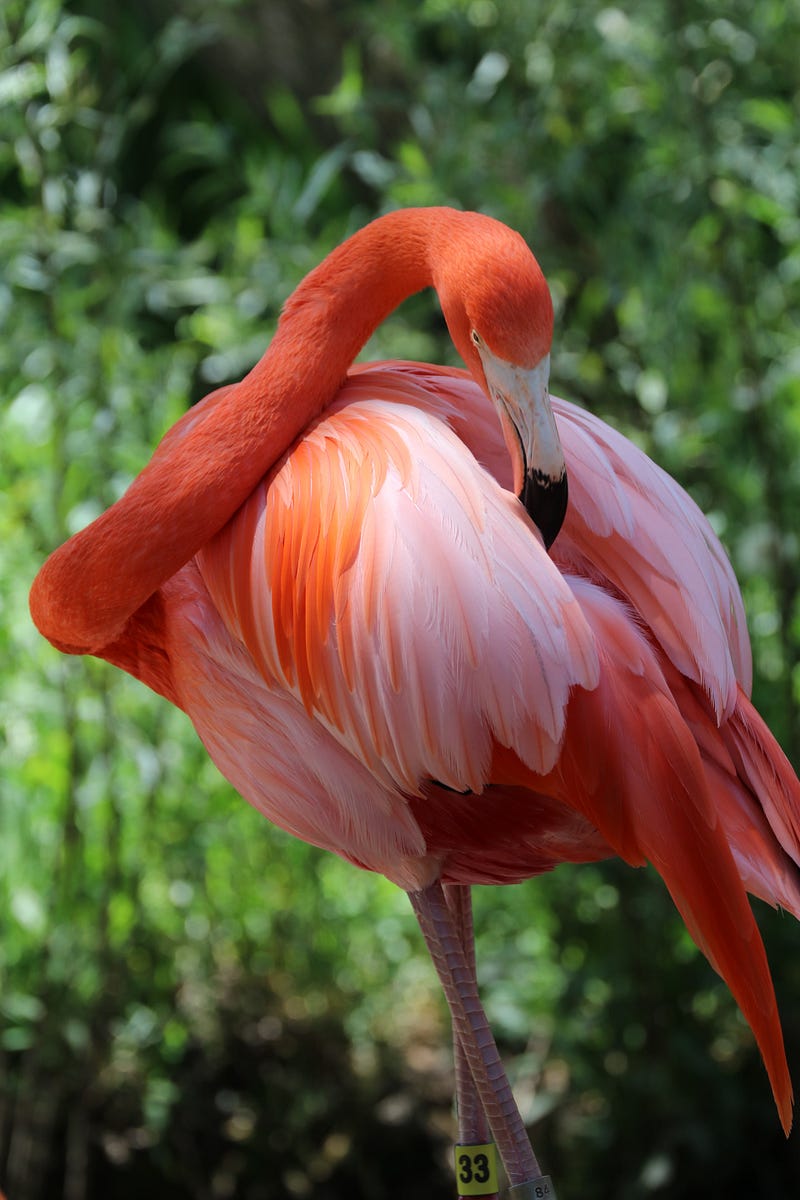
I first used the term “human molting” in 2015 to describe my experience of getting rid of “stuff.” A luxury problem, to be sure. Turns out, it’s still an issue, thanks to COVID.
The whole world is selling and moving to the country, which means we empty nesters have to move on.
The above text from a women in Westchester, a suburb of New York, inspired me to republish this piece. She is thinking of selling, but the idea overwhelms her. Human molting is never easy.
Below is the 2015 version, essentially unchanged. However, I toyed with the title, relocated a few sentences, and added subtitles. Also, 2021 commentary is in bold italic like this.
What Is Human Molting?
Birds molt annually, humans less frequently.
Birds lose feathers. Humans get rid of what George Carlin famously labeled “stuff.” (If you haven’t seen the video, do yourself a favor and click on that link.)
After molting, birds have new feathers; humans find themselves in a new life stage.
Human molting usually begins when you’ve lived long enough to have more things than you really need.
The process is as hard on birds as it is on humans, according to “ Understanding Molting,” an article on the Hartz Mountain website:
This is a tough time for your pet. It uses extra energy to generate the new feathers, and is often stressed. Birds that sing or talk will do so less often during its molting period. The period can last anywhere from several weeks to several months. Parrot species in particular are known to have extremely long molting periods.
I have a lot in common with parrots. I molted when I moved to my post-divorce digs in Manhattan and, again, when I left New York for Massachusetts. And now, by dint of circumstance and desire, I am once again surveying my stuff. My house in Northampton, the place that for 20-odd years felt most like “home,” has too much to keep clean, too much to keep track of, too much clutter. It is time to molt.
What’s Age Got to Do With It?
When I wrote this in 2015, I described myself as…
…an entry-level senior, in the peak of “young old age” which, according to geriatric researchers, starts at 65.
Erik Erikson characterized the poles of development in late middle life as “generativity” and “stagnation.” If we’re healthy, we use what we’ve learned and give back to the next generation. If not, we stand still.
What we can’t give back, we get rid of.
First, you think, maybe one of the kids will want this. (Probably not; they have their own stuff.) A tag sale? Better yet, give stuff away.
At the very least, divest yourself of whatever you don’t want discovered if you suddenly keel over.
Mind you, I’m not worried about dying. Despite how others see me — or how much my ever-youthful peers object to my using this word to describe myself — I don’t think of myself as “old.”
My 40-ish inner self, the woman who danced at Studio 54, still holds sway over my spirit. I try to give less air time to the self who complains about arthritis and now prefers a 7 o’clock curtain on Broadway.
But given the variety and breadth of stuff I’ve accumulated, there’s no denying that I’m an old er woman. Humans at my age need to molt more often.
As my avian counterparts know, though, it’s stressful and hard when you’re trying to grow new feathers — especially when your feathers don’t grow as fast as they used to.
How to Do It
Molting in any species takes time. I have been spending days, going through boxes and closets and drawers, uncovering stuff I forgot I had. Even as I examine an object I know I’ll never use, I am rarely willing to part with it right away and, in some cases, never.
This book. That stack of photographs. Bed linens I designed in the eighties when I briefly ventured into licensing. I reach far back into the only drawer of a table. There, along with a night light bulb, a cassette, an extension cord, dusty paper clips, and a pair of (my) prescription glasses that I don’t recognize, I find a receipt for watch repair, a ticket stub, a tag with a 1972 price. Each discovery exacts a moment’s reflection. Everything has a story, a time.
Human molting is daunting and exhausting, which is something else we humans also share with birds.
Your bird will naturally feel more defensive and fearful during the molting process. In the wild, birds often find a quiet, dark place to rest, as the process consumes much of their surplus energy. Help your bird out by providing it with the quiet that it needs. You can also give it a small measure of privacy by covering part of the cage. Your bird will feel more comfortable and be less stressed during the molting process.
At least, I’m not huddling in the basement.
On the contrary, I had the good sense to show up at yoga class four times last week — not quite a cover on my cage, but a way to stay in touch with my body and spirit and to check in with my multiple selves.
Molting always heightens my awareness. This particular “season,” I am in awe of how much time, how much life, I’ve already spent. In my mind’s eye, pages of a calendar float into the air in increasingly rapid succession, like an old movie showing the quick passage of time.
I wonder what new feathers I’ll grow.
Epilogue — The Takeaway
I molt again in 2018 when I finally decide to sell the house in Northampton. The process is even more painful, more permanent. Almost everything must go. Friends marvel at my determination.
I simply can’t look back, can’t cling, can’t allow myself to be sentimental about “stuff.”
I remember the stranger who tracked me down after reading my op-ed piece about getting rid of my father’s belongings after he died. “Thank you for inspiring me to clean out my closets,” she said in a phone call. “I never want my children to go through that.”
I keep a few cherished belongings and all my photos. But I give away almost everything else- clothes, furniture, paintings, books, kitchen ware and dishes, my bicycle, the Weber grill. Even my mother’s sterling silver goes. Tarnished and in boxes I’ve been schlepping around for decades, I sell it for way less than it’s worth and don’t care.
I can sell very little, it turns out, but that’s okay, too. Everything goes to people who need or want it. Later, some of them will send me photos: my stuff, now feathering their nests. This gives me more pleasure than I could have imagined.
A truth that perhaps only comes with age: I don’t “need” anything. I have moments of remembering stuff I once owned — but no regrets. I’m happier, healthier — and less burdened — for having molted again…
Originally published at https://melindablau.com on April 15, 2021.