
How To Get Over Chronic Writer’s Block — 5 Strategies From Famous Author’s
Writers block is something that everyone suffers from time to time; when writing is your career it can be daunting staring at a blank white page.
Many famous authors suffer from writers block and have found ways to combat writers block.
Here are some of the tips and experiences from the best authors of our modern time. Each writer has a different strategy so keep in mind that some of these may not work for you and that’s okay, everyone is different!
1. Maya Angelou
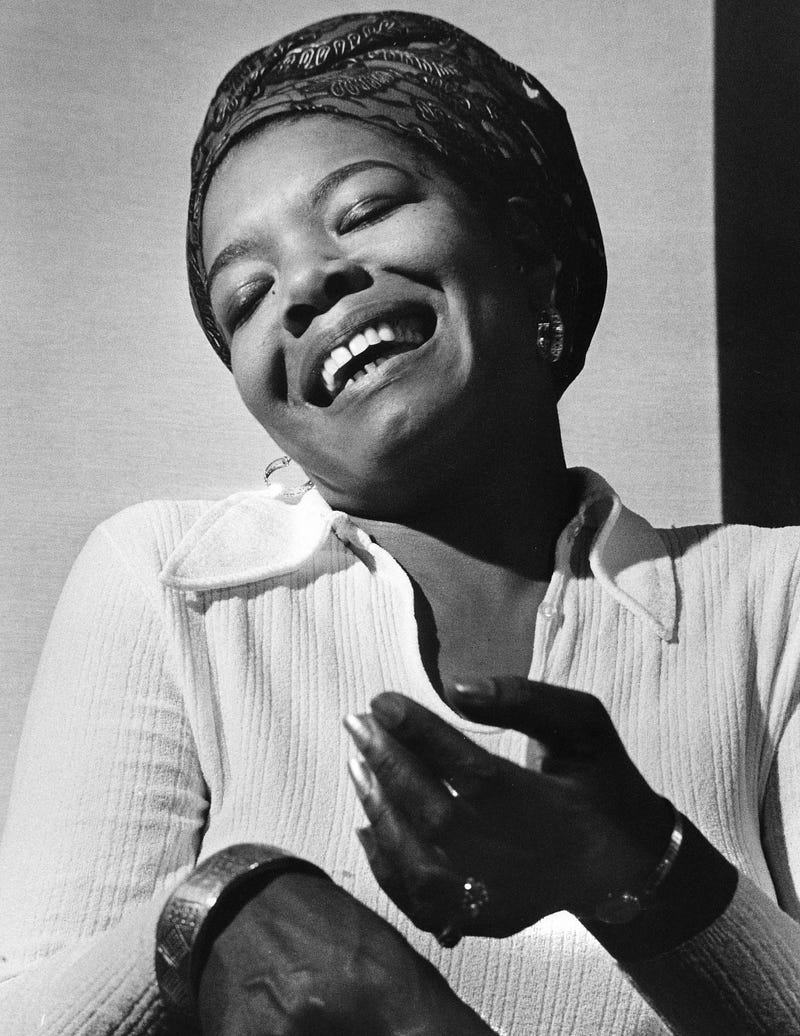
Maya Angelou’s “just write” strategy is something that many have adopted as their solution for when they are experiencing writer's block. As simple as it is, the process of just writing even if it is repeating sentences can help overcome writer’s block because you still are writing. You aren’t in a block necessarily, you are still writing even if the quality of the work is poor; in turn your ideas will eventually come to fruition.
“I suppose I do get ‘blocked’ sometimes but I don’t like to call it that. That seems to give it more power than I want it to have. What I try to do is write. I may write for two weeks ‘the cat sat on the mat, that is that, not a rat,’ you know. And it might be just the most boring and awful stuff. But I try. When I’m writing, I write. And then it’s as if the muse is convinced that I’m serious and says, ‘Okay. Okay. I’ll come.’” — Maya Angelou from her book Writers Dreamers
Maya Angelou also has a unique daily writing routine that consists of working in a motel room which she rents as her office space. Inside her motel room, she takes a bible, a deck of cards, paper, pen, and a bottle of sherry. She would work in that room from 7 am to 2 pm every day. If her “just write” strategy doesn’t work for you, maybe a motel room will do the trick!
2. Neil Gaiman
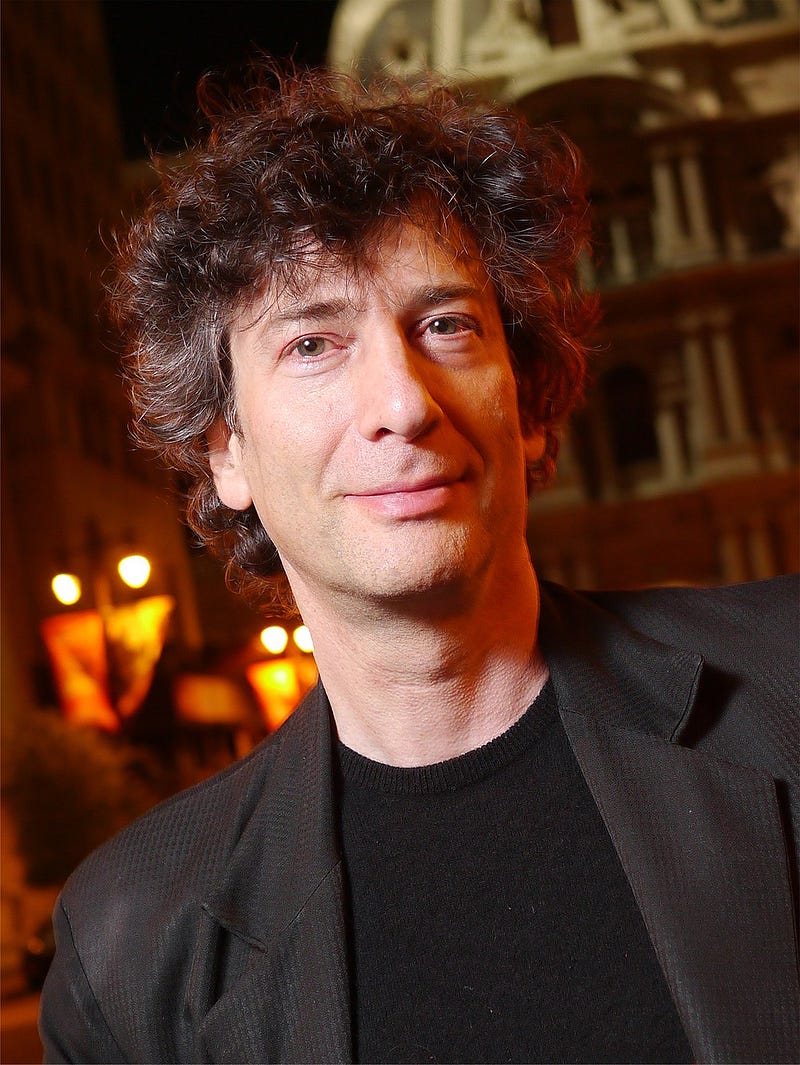
Neil Gaiman has a technique where he tends to step away from his projects and not think about them for a period of time. Clearing his head for many days and then getting back to work as if it is his first day working on the project.
“Put it aside for a few days, or longer, do other things, try not to think about it. Then sit down and read it (printouts are best I find, but that’s just me) as if you’ve never seen it before. Start at the beginning. Scribble on the manuscript as you go if you see anything you want to change. And often, when you get to the end you’ll be both enthusiastic about it and know what the next few words are.” — Neil Gaiman
This is a habit that I use personally in my writing.
If something isn’t working I prefer not to force it unless necessary, instead, I enjoy taking some time to step away from my project. Taking this time to clear my head and not think about it allows me to go in with more motivation than I would have if I had tried forcing the writing.
Once I have taken the time to myself, I go into my writing as if it were my first day.
3. Mark Twain
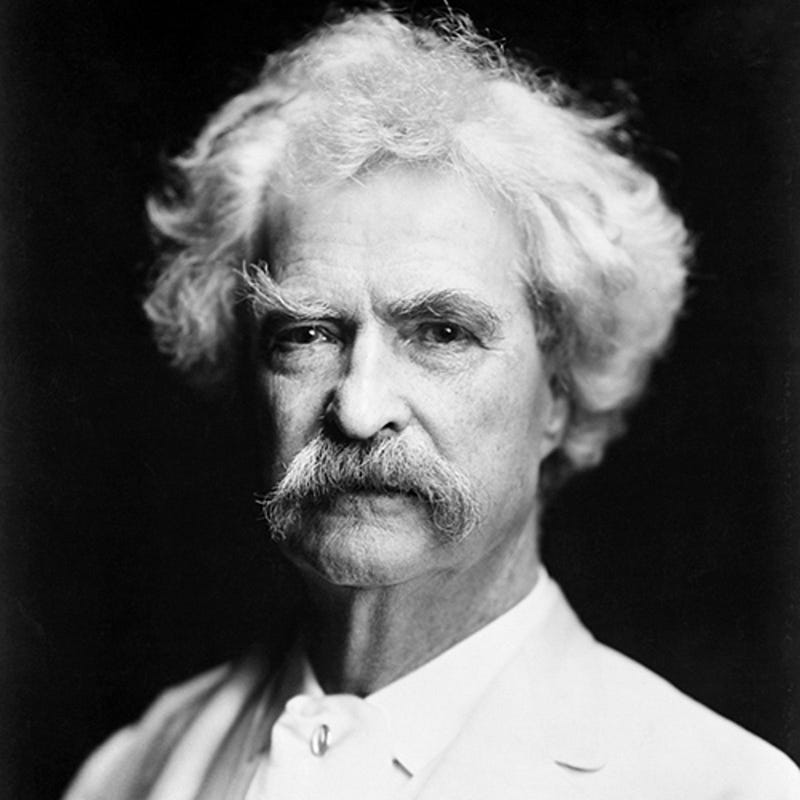
Mark Twain’s method of outlining your work is something that I try to do when I am personally experiencing writer’s block. I try to not force content and instead I slowly outline my paper with what ideas I am trying to convey. Even if they are sentences that don’t make much sense, I can always edit them in the future.
“The secret of getting ahead is getting started. The secret of getting started is breaking your complex overwhelming tasks into small manageable tasks, and then starting on the first one.” — Mark Twain in a 1997 newspaper columnist in Newport News, Virginia
The point of this exercise is to have an outline for your work, once you get to that point it is more or less filling in the blanks. Start by writing your title, headers, sub-headers. Then from there try and fill in some sentences that apply to each header. Keep doing this process and you will get to a finished article. Each great article starts with a few sentences.
4. Hilary Mantel

Hillary Mantel’s methodic approach to writer’s block is to take a step back from your work. Removing yourself from the environment instead of focusing on the problem at hand, is a way to give your thoughts a break.
Very similar to Neil Gaiman’s approach, Hilary suggests that you take some time to get away from your desk. You are a human, not a machine; there will be days in which you will not be able to excel and that’s okay. Take some time for yourself and in the end, you should be able to get back to your writing with a clear head.
“If you get stuck, get away from your desk. Take a walk, take a bath, go to sleep, make a pie, draw, listen to music, meditate, exercise; whatever you do, don’t just stick there scowling at the problem.” — Hillary Mantel
Some articles and pieces of writing take me months to accomplish and that’s okay. Like Hillary states, scowling at the problem isn’t going to solve it, and spending time focused on a body of work that isn’t being produced is only going to make your problem worse. Time is meaningful and should be cherished as such, taking the time for yourself is important to refresh and get back into the creative process.
5. Stephen King

Known for producing anywhere from 5–6 pages or 5,000 words on a given day for what he is working on. You would think that Stephen King, the man infamously known for being a writing machine wouldn’t suffer from writer's block but he has stated in many interviews that he is not invincible to the dread that writers receive.
“There may be a stretch of weeks or months when it doesn’t come at all; this is called writer’s block. Some writers in the throes of writer’s block think their muses have died, but I don’t think that happens often; I think what happens is that the writers themselves sow the edges of their clearing with poison bait to keep their muses away, often without knowing they are doing it.” — Stephen King, The Washington Post
In the end, there is no cure-all to writer's block but there are methods that can help you possibly break the creative dread.
Whether it be taking a step back, outlining your work, or forcing it; you can overcome the hurdles your mind creates. After all, you are the creationist of your work.
I hope that you take from these esteemed authors and utilize their experiences to help make you into a better writer. Learning the mistakes of others will not only help us create better work but will also help us create better humans.
If you enjoyed this article please consider giving me a follow! I am a freelance writer + small business owner and all the support I receive helps more than you know.